
Holiday apartment in Lecce: culture and history in Salento
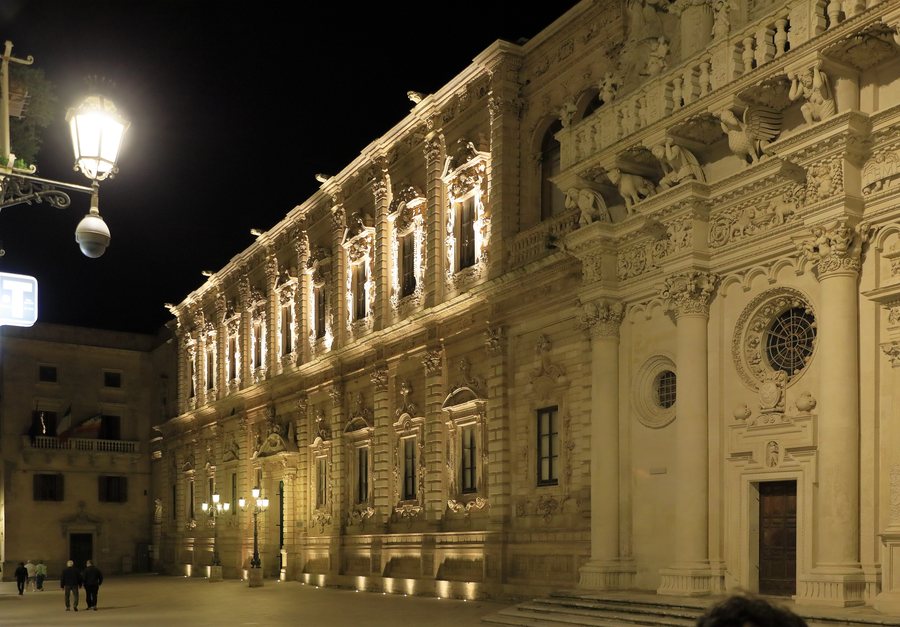
Lecce combines impressive traces of different eras with museums, archaeological sites, nature observation opportunities and routes through the Salento landscape. Those choosing a holiday apartment in Lecce can tailor their stay to their preferred mix of urban history, archaeology, nature, coast and regional culture.
Culture
The historical foundation of the Abbazia di Santa Maria di Cerrate is dated to the period between the late 11th and early 12th centuries. At that time, Bohemond of Hauteville founded a community of Greek monks. In Lecce, LeccEcclesiae is a discovery route through the city’s most important Baroque churches. The Museo del Teatro Romano preserves archaeological finds from excavations that uncovered the ancient monument. It also presents the exhibition “Roma. La scena della vita” about stage design and illusionistic representation in the Roman world. A model there reconstructs a large urban area of imperial-era Lupiae, ancient Lecce.
Further collections complement this cultural spectrum. The Museo Diocesano d’Arte Sacra di Lecce displays paintings, sculptures, silverware and liturgical vestments. Its collection includes objects from the liturgical treasury of Lecce Cathedral, mainly from the 17th and 18th centuries. The Pinacoteca d’Arte Francescana is housed in Palazzo Fulgenzio, a 16th-century building, and contains more than 300 paintings from the 16th to the 19th century. The exhibition also includes a collection of Apulian landscape painters from the 19th and 20th centuries, as well as an area dedicated to papier-mâché sculptures.
Archaeology and urban history
The MUSA – Museo Storico-Archeologico dell’Università del Salento extends across five halls. The tour documents research findings by historians and archaeologists from the University of Salento in Salento and other Mediterranean regions. On display are more than 300 artefacts from excavations by the University of Salento in Salento, as well as archaeological reproductions and multimedia videos. The permanent exhibitions are accessible; MUSA also hosts temporary exhibitions and conferences open to everyone.
The Museo Ebraico di Lecce is located in a medieval palace on the site of a 15th-century synagogue in the city’s historic Jewish quarter. On display are basins for ritual washing, a doorpost niche for a mezuzah and the remains of the church building on the site of the former synagogue. The museum presents the traditions and history of the Jewish community that lived in Lecce in the late Middle Ages.
The Museo Ferroviario della Puglia also preserves tangible evidence of regional history: it displays 34 historic FS and FSE vehicles as well as five service vehicles. The adjoining rooms contain railway memorabilia, models and signalling equipment. The MUST – Museo Storico della città di Lecce complements these historical perspectives with 3D virtual reality, an immersive virtual tour and 3D clips about Lecce’s Baroque heritage. Its permanent archaeological exhibition covers the Messapian period, the Roman imperial era and the Middle Ages in the history of Lecce.
The Museo Sigismondo Castromediano explores the history of Salento from prehistoric times onwards through archaeological exhibitions, with a particular focus on the Messapian and Roman periods. The Museo Provinciale “Sigismondo Castromediano” in Lecce is the oldest museum in Apulia.
Archaeology and nature
The Parco Archeologico di Rudiae encompasses the urban area founded by the Messapians and a Roman amphitheatre built under Trajan in the early years of the 2nd century AD. The tour begins in the Fondo Acchiatura area. There, visitors can see two paved roads running at right angles to each other, a place of worship and a Hellenistic hypogeum. Mediterranean plants such as thyme, white-flowering rocket and orchids grow on the site.
At the Riserva Naturale Oasi WWF Le Cesine, more than 180 bird species live there at different times of the year. Visitors can observe wetland birds from birdwatching hides. Alongside the museums and archaeological sites, this presents a distinctly different landscape theme in Salento: the seasonally changing birdlife of the wetlands.
Routes, coast and regional culture
The Ciclovia del Salento Ionico runs along the coast from Ugento to Manduria through five parks and green areas. It connects coastal and inland landscapes with art, culture and landscape-based areas of wine and gastronomic culture. SalentoinBus facilitates access between the coasts, villages and numerous other places in Salento; the 2026 edition offers additional connection options.
The culinary side is also clearly defined: an enogastronomic tour focusing on the Primitivo and Negroamaro wines is offered in Salento.
Other places
Castro Di Lecce, Gagliano Del Capo, Gallipoli, Lido Marini, Ugento, Marittima, Morciano Di Leuca, Otranto, Porto Badisco, Porto Cesareo, Racale, Salve, Santa Caterina, Santa Cesarea Terme, Santa Maria Al Bagno, Torre Dell'orso, Torre Pali, Torre San Giovanni, Tricase Porto, Lecce, Corsano, Rosa Marina, Spongano, Merine, Tricase, Alezio, Torre Specchia Ruggeri, Taviano, Galatone, Carmiano, Tuglie, Serrano, San Foca, Poggiardo, Neviano, Monteroni Di Lecce, Minervino Di Lecce, Melendugno, Maglie, Leuca, Giurdignano, Galatina, Casalabate, Arnesano, Alliste, Marina Di Mancaversa, Parabita, Martano, Fontanelle, Castrignano Del Capo, Supersano, Corigliano D’otranto, Cavallino, San Cassiano, Acaia, Sannicola, Cannole, Bagnolo Del Salento, Marina Di Andrano, San Cesario Di Lecce, Andrano, Casarano, Nociglia, Uggiano La Chiesa, Nardò, Specchia, Cutrofiano, Marina Di Pescoluse, Presicce, Sogliano Cavour, Taurisano, Seclì, Veglie, Vignacastrisi, Felline, Ruffano, Capilungo, Borgagne, Campi Salentina, Scorrano, Casamassella, Lizzanello, Collepasso, Vernole, Patù, Muro Leccese, Cocumola, Matino, Conca Specchiulla, Leverano, Torre Lapillo, Diso, Novoli, Vitigliano, Lequile, Surbo, Cerfignano, San Cataldo, Tiggiano, Alessano, Salice Salentino, Marina Di Novaglie, Montesano Salentino, Calimera, Sanarica, Marina Di Ugento, Cursi, Marina Serra, Melissano, Sternatia, Carpignano Salentino, Torre Vado, Squinzano, Sant'isidoro, Torre Chianca, Zollino, Aradeo, Trepuzzi, Torre Rinalda, Copertino, San Pietro In Lama, Depressa, Galugnano, Lucugnano, San Donato Di Lecce, Giuggianello, Punta Prosciutto, Gemini, Guagnano, Torre Mozza, Ortelle, Acquarica Del Capo, Palmariggi, Collemeto, Soleto, San Dana, Baia di Gallipoli, Surano, Frigole, Strudà, Castrignano De' Greci, Torre Saracena, Torre Suda, Villaggio Resta, Ruggiano, Marina San Gregorio, Caprarica di Lecce, Melpignano, Baia Verde, Posto Rosso, Pacci, Rivabella, Marina di Marittima
Back to the main travel overview: Apulia.
Check prices, availability and amenities for your travel dates directly on Booking.com.
View accommodation and offersAdvertisement · Partner link to Booking.com
