
Discover Ruggiano – Village Culture and Serra Falitte
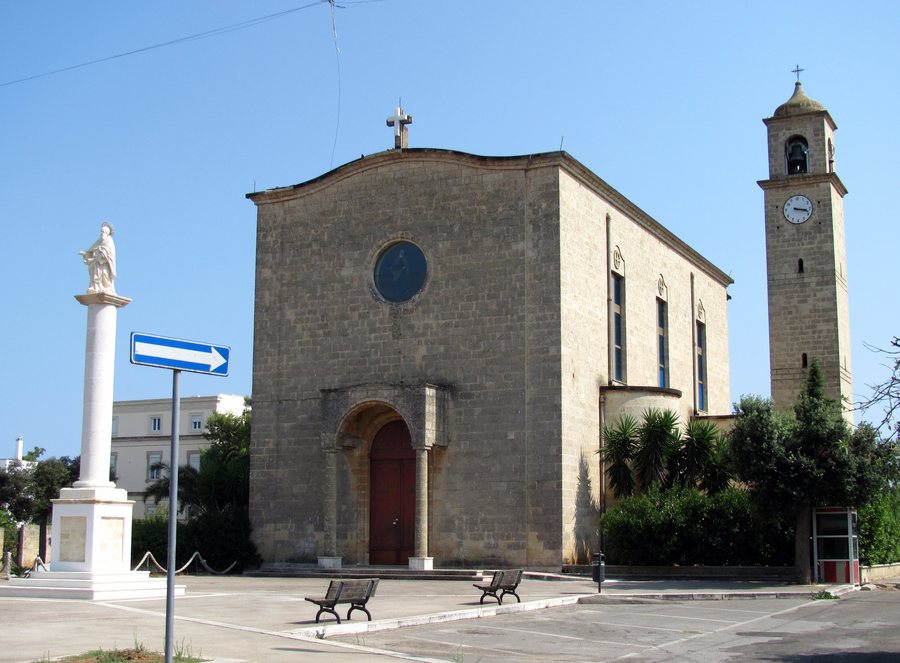
Ruggiano between Village Culture and the Hinterland
Ruggiano lies in the Salento hinterland, a few kilometres from the Ionian coast. Ruggiano preserves typical stone houses with courtyards and decorated portals. In the alleyways, an atmosphere shaped by a slow pace of life and agricultural traditions has been preserved. Those who enjoy alternating between established village settings, landscapes and historical themes while on holiday will find a tangible setting here for varied days.
Churches with Special Interiors and Works of Art
The Santuario di Santa Marina has two decorated entrances, each topped by a window. Inside, the building is divided into two naves. The Cappella della Madonna di Costantinopoli contains several frescoes and an 18th-century canvas depicting the Virgin Mary. Ruggiano’s religious history is also part of the village landscape: historically, pilgrims suffering from jaundice turned to Santa Marina in Ruggiano.
Serra Falitte: Ridge and Cultural Landscape
Serra Falitte reaches a maximum elevation of approximately 165 metres above sea level. It forms the ridge between Salve, including the hamlet of Ruggiano, and Morciano di Leuca, including the hamlet of Barbarano.
Remnants of woodland vegetation with holm oaks and kermes oaks have been preserved in the Serra Falitte area. At the same time, the Serra features a historic rural cultural landscape. This includes olive groves, dry-stone walls and the rural structures known as Pajare and Caseddhe. Between natural remnants, agriculturally shaped areas and traditional building forms, a landscape emerges that clearly differs from the stone details in the village. For families or travel groups with different interests, this transition between culture and open landscape can make it easier to decide on the right focus for their holiday.
Historic Paths and Sanctuaries
One route leads from the ancient medieval settlement site of Celsorizzo via Ruggiano and Barbarano to historic sites and sanctuaries. Along the Via Leucadense, it continues to the Santuario di S. Maria de Finibus Terrae. In addition to Ruggiano’s permanent structures, connections through historic landscapes thus come to the fore. If you are interested in pilgrimage history, sacred places or walking between different stops, this thematic area offers an additional perspective on the village.
Holiday Apartment in Ruggiano: Culture, Landscape and Paths
When choosing accommodation in Ruggiano, you can align your personal focus with the area’s local themes. Stone houses, courtyards, portals and churches appeal to those interested in architecture and cultural history. Serra Falitte brings together a ridge, tree species, olive groves, dry-stone walls and rural buildings. The historic connections, in turn, draw attention to sites and sanctuaries. In this way, searching for a holiday apartment in Ruggiano can be linked to a clear idea of what kind of discoveries should shape your trip, without presupposing the facilities, prices or availability of individual accommodations.
Another Local Connection
The SUD-EST railway line runs through Ruggiano. It adds to the picture of a place where rural landscapes, historic buildings, religious art and connections to routes beyond the region exist side by side. For planning your trip, the main question therefore remains whether you want to focus on village culture, observing nature, historic paths or a balanced combination of these themes.
Further Places for Orientation
Further places for orientation: Torre Lapillo, Lucugnano, San Cesario Di Lecce, Vignacastrisi, Minervino Di Lecce, Cutrofiano, Novoli and Guagnano.
To the broader travel overview: Lecce.
Check prices, availability and facilities for your travel dates directly on Booking.com.
View Accommodations and OffersAdvertisement · Affiliate link to Booking.com
