
UN Sustainable Development Goals in Tourism
The 17 Sustainable Development Goals of the United Nations form a global framework. For tourism, especially destinations for decent work, livable places, responsible Consumption, climate protection and the protection of seas and land are important. Anyone looking for a holiday apartment or a holiday home does not have to carry out a complicated examination. It helps to translate the goals into concrete questions: How do you travel, who benefits locally, how are water and energy used and how are sensitive landscapes treated?
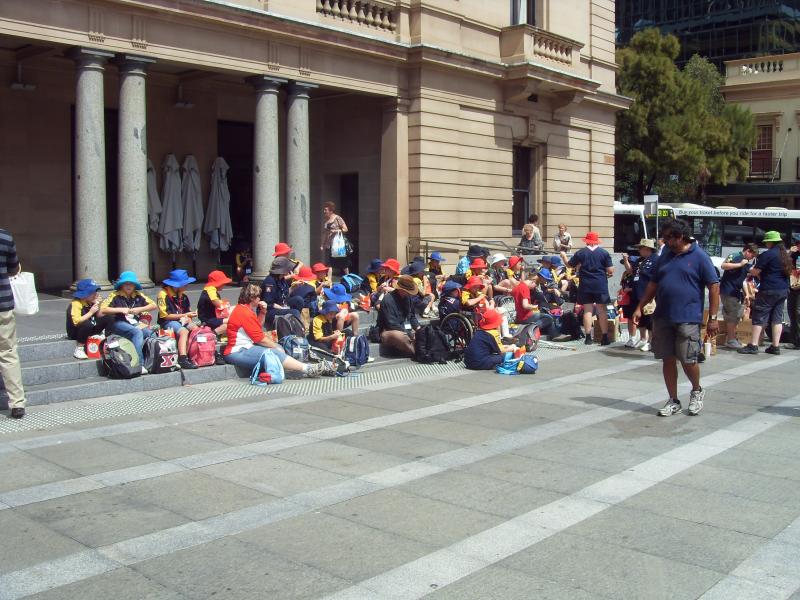 Children and adults sit together on steps in front of a historic building; Symbolic image for cooperation and joint learning.
Photo: Markus Lenk
Children and adults sit together on steps in front of a historic building; Symbolic image for cooperation and joint learning.
Photo: Markus Lenk
Brief facts on the subject
- SDG 8:Tourism can create regional jobs if workers are treated fairly and local businesses are involved.
- SDG 11:Cities and communities need visitor services that are compatible with housing, transport and quality of life.
- SDG 12:Water, energy, food, waste and equipment should be used in the most responsible way possible.
- SDG 13:Travel, length of stay and mobility on site are important climate issues in travel planning.
- SDG 14 and 15:Seas, coasts, forests, moors and other habitats need consideration and clear protection rules.
- SDG 17:Sustainable tourism works better when communities, hosts, transport and travellers work together.
What the sustainability goals have to do with holidays
Tourism connects many areas of life. Accommodation requires energy and water, the arrival claims traffic routes, excursions lead to cities or natural areas and the expenses of guests can be regional Strengthening businesses. Therefore, no single target can be considered in isolation. An accommodation with a good energy supply may be so secluded that daily long car journeys are necessary. A centrally located Apartment, on the other hand, makes everyday life easier, but in a heavily polluted city, it can raise new questions about living space and the number of visitors.
The Basics of Sustainable Travel help to weigh such decisions based on your own travel group and the specific destination. The official UN Sustainable Development Goals describe the global framework; However, they are not a seal of approval for individual accommodation or travel offers.
SDG 8: Labour and regional value creation
The objective of decent work in tourism concerns cleaning, caretaker services, gastronomy, transport, guided tours and many other activities. Travelers can support the local economy by not only use international chains, but also consider regional shops, markets, craft businesses and excursion providers. What matters is not the mere assertion that an offer is local, but the comprehensible performance on site.
With a holiday apartment, it is worthwhile to plan the supply at the holiday location. A longer stay allows more purchases in the place and expenses with regional providers. Notes on Regional and fair travel show how origin, price and benefit for the people at the destination can be compared with each other. Also a project abroad should not only be judged by the good feeling. Introduction Volunteering the ownership, tasks, costs and protection of children and other particularly vulnerable persons are crucial.
SDG 11: Keeping cities and communities worth living
Livable places need functioning routes, affordable housing, rest periods and offers for locals and guests alike. When booking, it should therefore be checked whether the accommodation is located in a residential area, such as the arrival is regulated and whether rules for waste, parking and night rest are understandable. Anyone who can travel on foot, by bus or bicycle not only relieves roads, but often experiences the place more directly.
For a city vacation, accommodation on the outskirts with good rail connections may make more sense than a central location that causes daily parking searches. For rural areas, the opposite applies: a remote location can provide peace of mind, but requires realistic planning of purchases and excursions. to Sustainable travel Supports the comparison of the entire route including the last route.
SDG 12: Resources and consumption on holiday
Responsible consumption begins with the equipment and size of the accommodation. A holiday apartment should fit the number of travelers so that rooms are not heated or cooled unnecessarily. Before booking help to provide information about the kitchen, washing machine, waste separation, heating, hot water and shopping. The Guidance on sustainable accommodation classify such information without deriving a blanket promise from individual characteristics.
During the stay, guests can use energy and water appropriately without sacrificing comfort or hygiene. Towels, heating, air conditioning and food should not be used carelessly. A look at Costs and additional costs It also prevents important services or taxes from becoming visible only after booking.
SDG 13, 14 and 15: Protecting the climate, seas and land
SDG 13 draws attention to the climate impact of the trip. A direct connection, a longer stay and short distances on site can be a useful combination in some cases. Whether train, car, ferry or flight It depends on distance, luggage, health, time and traffic. The Arrival and departure planning Therefore, should not only compare the cheapest ticket price.
SDGs 14 and 15 concern coasts, seas, forests, mountains, moors and the animals and plants that live in them. Introduction Sustainable nature holidays Marked paths, protection times, distances to animals and local prohibitions must be observed. Also included Ecotourism is not a carte blanche: experience of nature only becomes more responsible if the specific journey takes into account the resilience of the destination.
SDG 17: Understanding cooperation in practice
A sustainable destination is not created by a single measure. Municipalities need to plan traffic and visitor flows, hosts need reliable information, regional companies need fair opportunities and Travelers need to know rules. Good offers therefore call concrete services and responsibilities. If there are unclear promises, you may ask before booking: Who controls the energy consumption? How will Waste treated? Which routes are possible without a car? Where do local fees go?
Families can discuss these issues together. The instructions for Sustainable travel with children help to connect environmental awareness with breaks, safety and practical needs. It remains important that health, accessibility, animal welfare and reliable travel do not lag behind an abstract goal.
From global destination to specific travel question
| SDG | Travel planning question |
|---|---|
| 8 – Work | Which local companies, employees and services benefit comprehensibly? |
| 11 – Places | Does the accommodation fit the living space, traffic, tranquility and quality of life of the community? |
| 12 – Consumption | How are energy, water, food, equipment and waste used? |
| 13 – Climate | How do you match travel, length of stay and mobility on site? |
| 14/15 – Seas and Land | What protection rules apply to coasts, forests, mountains, animals and plants? |
| 17 – Cooperation | Who is responsible, informs guests and controls the announced measures? |
The official UN overview of the 17 goals describes the global framework. It is not a seal of approval and does not automatically confirm an accommodation, project or tour operator. Remaining concrete Information, competent bodies and actual conditions on the ground are decisive.
Apply the objectives in the booking process
For SDG 13, start with the entire journey. For SDG 12, testing of accommodation helps; SDG 8 can be concretized with regional and fair offers. SDG 14 and 15 in nature holidays by paths, distances and protection periods visible.
The basics connect these questions to a travel decision. For families, the family view complements safety and breaks; Volunteering additionally requires a particularly precise examination of effect and protection. Ecotourism must not be judged by name alone.
Frequent questions about the UN Sustainable Development Goals in Tourism
What are the SDGs?
SDGs are the 17 Sustainable Development Goals of the United Nations. They cover, among others, social justice, environment, climate, cities, consumption and global cooperation.
Which SDGs are particularly important for holidays?
For travel, SDG 8, 11, 12, 13, 14, 15 and 17 are especially helpful. Depending on the objective, health, education, equality or clean water can also play an important role.
Is an accommodation with a sustainability seal automatically suitable?
No. A seal can provide orientation, but does not replace the view of location, arrival, equipment, energy, water and the actual criteria of the award.
How can travelers support SDG 8?
You can use regional shops, local guided tours and traceable companies and pay attention to fair conditions and transparent prices when offering offers.
What does SDG 11 mean for a holiday home?
The accommodation should fit into the community. This includes consideration for neighbours, good traffic planning, understandable house rules and a responsible use of housing.
What do SDG 14 and 15 have to do with a beach holiday?
Coasts, seas, dunes and land areas are sensitive habitats. Marked paths, distance to animals, waste prevention and observance of local protective rules help to preserve them.
Can a short trip be sustainable?
This depends on distance, means of transport, length of stay and additional routes. A short, easy-to-reach trip can make more sense than a distant destination with lots of switches and journeys.
How do I identify credible sustainability claims?
Credible information indicates concrete measures, responsibilities and limits. General words without verifiable information should be requested before booking.
