
Sustainable travel with children
Sustainable family holidays must be suitable for everyday life. Children need breaks, sleep, exercise and reliable procedures; Parents have to handle baggage, costs, security and spontaneous changes. Good planning Therefore connects an accessible accommodation, short distances, suitable activities and a journey that fits the family. Sustainability does not mean avoiding every car trip or comfort. This is about: Reduce unnecessary ways and consumption without neglecting health, accessibility and safety.
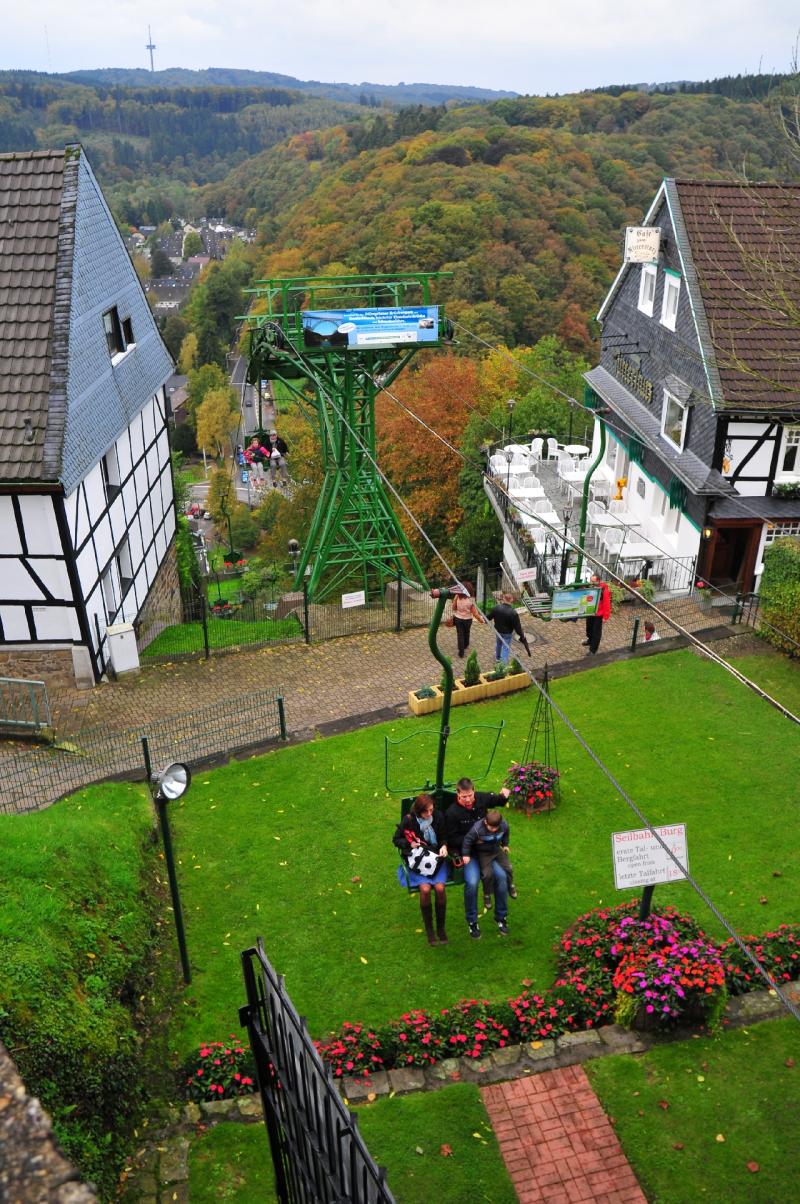 Family rides on a cable car over a wooded landscape; Symbolic image for a common, accessible holiday experience.
Photo: Alesia Belaya
Family rides on a cable car over a wooded landscape; Symbolic image for a common, accessible holiday experience.
Photo: Alesia Belaya
Brief facts on the subject
- Arrival:Few changes, breaks, accessible toilets and a clear arrival regulation are important for families.
- Accommodation:Sleeping places, kitchen, security, outdoors and shopping should fit the family.
- Ways:Close proximity, bus, bicycle, playgrounds and short excursion routes make everyday life easier.
- Food:A kitchen and suitable shopping quantities can reduce planning and waste.
- NatureSmall, achievable experiences are often better than a crowded program with long journeys.
- Budget:Compare total price, parking, transfers, admission, equipment and possible additional costs.
Choose a suitable family goal
Start with the question of what the family really needs on holiday: beach, forest, animals, cycle paths, culture, tranquility or a changeable weather offer. A goal with short distances and accessible basic services can Be more sustainable and relaxed than a secluded house that requires daily car trips. The Basics of sustainable travel help to consider travel, accommodation, length of stay and mobility together.
The age of the children also changes the choice. Infants need safe routes, sleeping opportunities and short stages. School children enjoy nature, water, museums or practical activities. Young people Often want more independence and public connections. The Travel time It also affects weather, holiday prices, opening hours and the load of popular destinations.
Arriving with breaks and little stress
For trains and buses, seats, changeover times, luggage, strollers and toilets should be checked. A slightly longer direct connection can be more pleasant than several scarce connections. In the case of Sustainable travel The last kilometer to the accommodation is in the planning. In case of unclear situation, ask for transfer, bus, taxi or a luggage solution.
The Federal Environment Agency informs about sustainable mobility; the concrete decision must fit the family. The car can be useful for several children, lots of luggage, remote destinations or special health requirements. carpooling, extended stay and Accommodation with accessible supplies can avoid unnecessary journeys.
Finding a family-friendly holiday apartment
The Selection of a holiday apartment with children should include sleeping areas, cot, high chair, kitchen, sockets, stairs, balcony, pool, water, heating and outdoor area. Also check if grocery store, playground, beach, bus stop or medical care is available. Images do not replace concrete demand for dimensions and safety conditions.
Who wants to pay attention to energy, water and waste, will find in the instructions Sustainable accommodation other test points. A suitable size does not automatically save resources if the location requires daily trips. Conversely, a slightly larger house can be useful for a family if length of stay, Space distribution and self-sufficiency thus fit better.
Food, water and everyday life with children
A kitchen facilitates breakfast, breaks and the provision of children with special needs. Buy quantities that fit the stay and check beforehand whether supermarket, market or bakery can be reached are. Reusable bottles, bread cans and reusable bags can be handy on the go if they do not cause additional unnecessary luggage.
In warm regions, drinking water, shade and bathing times must be planned. heating and air conditioning are used appropriately; House rules on water, towels and garbage are discussed together. Sustainability Children can understand when they see where food comes from, why paths are protected or how garbage is separated.
Nature and activities without overprogram
Children often benefit from short circuits, accessible swimming spots, nature observation, regional museums and play opportunities. Intact Sustainable nature holidays Marked paths, distance to animals and protective rules are important. Small experiences nearby can work better than a full day plan with long car trips.
Introduction Ecotourism offers should match the age, safety and resilience of the target. When offering animals, pay attention to attitude and handling, and avoid activities that harass animals. Regional tours, farm shops and Craft offerings can combine learning and local support. In the case of Regional and fair travel You can choose when.
Cost, safety and special needs
The total price includes not only the overnight stay. Calculate arrival, parking, transfers, cot, final cleaning, energy, tourist tax, entrance and equipment. to Costs and additional costs prevents surprises. House rules and cancellation conditions should be understandable before booking; complementary helps to Rental agreement, cancellation and deposit.
In the case of strollers, wheelchairs, allergies, medications or special nutritional needs, concrete details must be clarified directly. The instructions for Accessible accommodation Support the examination. Travelling with dog or cat requires additional breaks, documents and appropriate house rules; for which the Travelling with animals useful.
Family check before booking
| Area | Specific question |
|---|---|
| Arrival | Are there breaks, toilets, seats, luggage assistance and a reliable last port? |
| Accommodation | Are beds, kitchen, stairs, outdoors, heating and shopping compatible with the age of the children? |
| Day on site | Are there short distances, games or nature offers and a flexible alternative in bad weather? |
| Security | Are water, balcony, traffic, medicines, allergies and medical care clarified? |
When arriving, a slightly longer direct connection is often more pleasant than several tight switches. The Federal Environment Agency provides general information on mobility; For children, sleep, health and safety also count.
Few achievable experiences instead of full day plans
Small circuits, bathing places, museums, court shops and nature observation are easier to adapt to weather and energy than a dense program. Nature holiday explains protection rules; Regional offers can be learning and Connecting local support.
The accommodation should fit with room layout, supply and paths. The basics of sustainable travel help to compare costs, length of stay and mobility. Sustainability is not a competition: Health, accessibility and reliable family life are priorities.
Frequent questions about sustainable travel with children
Is train travel with children always the best solution?
Not always. Seats, changeovers, luggage, toilets, last kilometres and the needs of the family decide on the right connection.
How do I find a suitable holiday home?
Check sleeping places, safety, kitchen, paths, shopping, play opportunities, heating, outdoors and accessibility without daily car travel.
How many activities should a family vacation include?
Rather, plan few achievable focal points and leave room for breaks, weather changes and spontaneous needs.
How can I explain sustainability to children?
Show in concrete terms how water is saved, waste separated, bought regionally and taken into account animals and landscape.
Is a remote holiday home sustainable?
It can provide peace and nature but may cause many rides. Supply, arrival and excursions must be realistically checked.
What is included in the cost comparison?
Arrival, parking, transfers, overnight, final cleaning, energy, tourist tax, cot, entrances and equipment belong in the total bill.
What is especially important in young children?
Short distances, sleeping opportunities, safe spaces, drinking water, breaks, flexible meals and accessible medical care.
How does nature holiday with children succeed?
Choose short distances, matching clothes and small goals. Observe protective rules, keep your distance from animals and take waste back with you.
