Travelling with animals
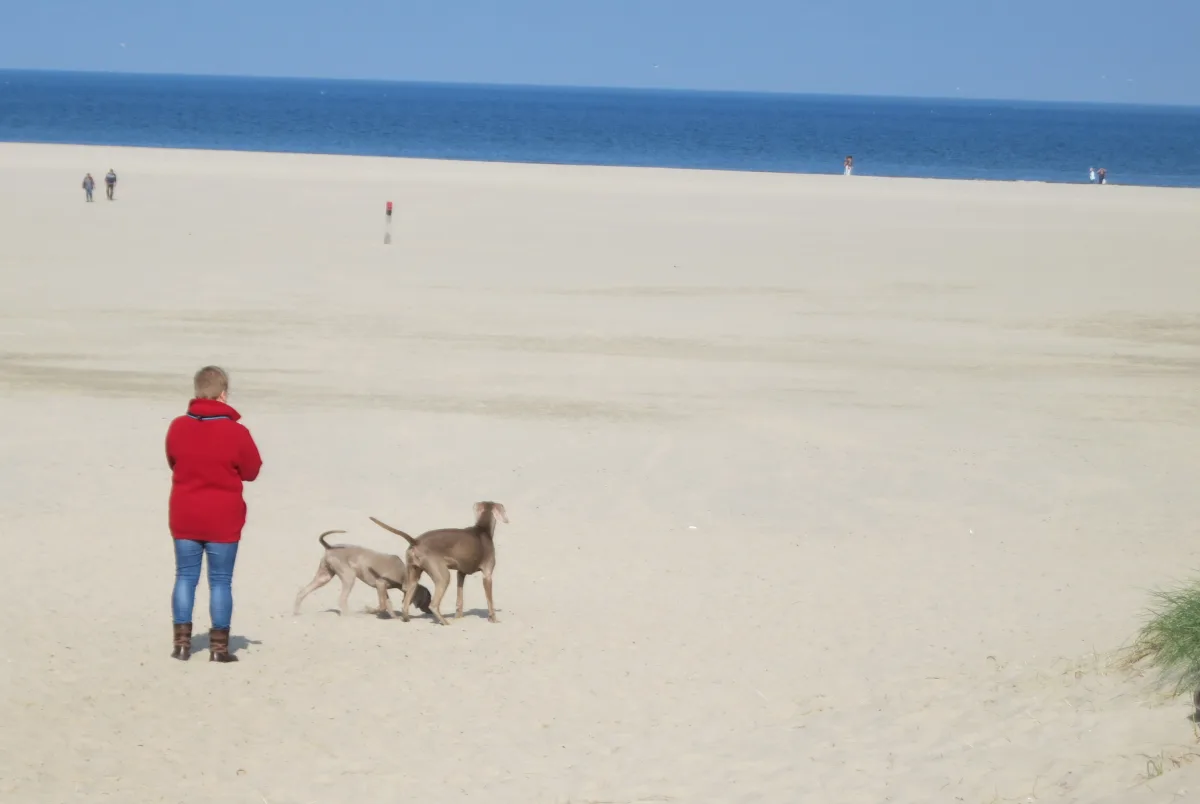
A person walks with two dogs over a wide sandy beach by the sea.
Brief facts on the subject
- An accommodation must expressly allow pets; the species, size and number belong in the booking request.
- House rules, additional costs, deposit, cleaning fee and the possibility of leaving an animal alone should be clarified in writing.
- Floors, stairs, balcony, windows, garden, water bodies and walking paths must fit the animal and the travel group.
- Common ground rules apply to dogs, cats and ferrets when travelling within the EU; the specific requirements of the target country must be examined currently.
- Transport box, leash, water, food, medicines and familiar items belong in their own travel bag.
- For heat, illness, old age or severe anxiety, home care may be the better solution.
- An emergency plan with a veterinarian, documents and a reachable contact person makes travel easier.
Traveling with an animal can work very well if accommodation, arrival and daily program go together. The most important decision is therefore not only when packing, but before booking: Is the trip reasonable for this animal, and does the holiday accommodation provide enough security and peace? Dogs, cats and other animals have different needs. Also age, state of health, temperament and length of Ride plays a role.
Does the journey to the animal fit?
A moving dog can benefit from an accommodation with direct access to walking paths. For an older cat, on the other hand, a quiet apartment with familiar retreats is often more suitable than a Constantly changing travel plan. Cats are often sensitive to transport, new smells and unusual spaces. Whether they travel or are cared for at home should depend on individual behavior and not from a general recommendation. The instructions for Holidays with cat help with this assessment.
Even small animals, birds or other pet animals cannot be assessed in a blanket manner. Temperature, transport time, food, litter, rest and supply at the destination must be arranged in advance. in sick or for animals in need of treatment, the trip should be discussed with the attending veterinary practice. For dogs, leash rules, exercise and the burden of long car trips are also important questions; for offers the Holidays with a dog supplementary notes.
Choose the appropriate holiday accommodation
“Pets welcome” alone says little about the suitability of an accommodation. Questions about the permitted species, the number of animals, possible size restrictions and rooms in which the animal may be present. Some providers allow dogs, but exclude cats or certain small animals. Others require additional cleaning or a deposit. These points should be included in the specifications or clearly confirmed by message.
Practical are easy-care floors, a safe entrance area, sufficient space for food and sleeping space as well as windows and balcony doors, which can be closed reliably. A fenced garden can be for one Dogs can be helpful, but do not replace supervision. In cats, increased escape possibilities, tilted windows and open balconies are special risks. proximity to a veterinary practice, shopping for food and Suitable walks can also influence the decision. An overview of Rent a holiday home complements the accommodation search with location, facilities and booking conditions.
Before the commitment is worth a close look at house rules and neighborhood. Are there other animals in the house? Are dogs to be led in the garden? Can the animal be on sofa or bed? Is it allowed to leave the animal alone for a short time Leave? Such rules are more important for everyday usability than a general advertising promise. Notes on Secure rentals help to clarify open information before payment.
Clarify booking, costs and responsibility
When making the request, give the animal species, number, size and special requirements honestly. Get the total price including final cleaning, animal allowance, deposit, bed linen, tourist tax and possible consumption costs name. For a few nights, fixed additional costs can significantly change the price. The conditions for cancellation, delayed arrival and damages should also be understandable. The Accommodation contract shows which information on accommodation and services should be recorded in a comprehensible manner before the stay.
An animal must not automatically walk freely in every room or on every property. Check that fences, gates, stairs and waterholes are safe. Also think of other guests and animals in the area. Consideration means: Remove legacies, observe rest periods and do not leave the animal unattended in a foreign accommodation if it could cause stress or damage there.
Preparing the journey with the animal
For a car trip, transport box or safety utensils, water, breaks and a pleasant temperature are part of the basic planning. The box should be large enough, safe and familiar to the animal as much as possible before travelling be. Schedule regular breaks in suitable places, but also keep the animal safe when opening the car door. An animal must never be left in the parked car, even in seemingly mild weather.
When travelling by train or air, additional rules for box, size, reservation and take-away are added. These conditions depend on the carrier and the route and should be checked directly with the provider. For the Travel arrangements a schedule is helpful that takes into account arrival, key handover, first diversion, shopping and breaks. The Holiday checklist may be supplemented by animal-related points.
Documents and entry requirements
When travelling within the EU, dogs, cats and ferrets are subject to common minimum requirements for identification, rabies vaccination and EU pet passport. Depending on the country, additional conditions may apply, as well as deadlines may be observed after an initial vaccination. The Official Portal Your Europe informs about travelling with pets in the EU. Check the information again before each trip because entry requirements, transport companies and stopovers must be considered.
General EU guidance is not sufficient for destinations outside the EU or for travel with other species. Check with the competent authority, the consulate, the border office and the transport company. Take original documents and, if necessary, copies. A short list with chip number, vaccinations, medications, veterinary contact and accommodation address should also be available offline.
Packing list and contingency plan
The basic equipment includes usual food, cups, water, linen or dishes, transport box, sleeping place, droppings bags, towels and cleaning agents. For medicines, the sufficient amount for the entire trip plus reserve makes sense. For cats, familiar litter, shovel and a safe retreat are added. In the case of small animals, the temperature, litter, food supply and suitable transport solution shall be particularly accurate. planned.
Note the address of a veterinary practice at the destination and clarify how it can be reached outside the usual hours. Save the contact details of the accommodation and a person who can help in an emergency. in case of diarrhoea, Injury, respiratory problems, unusual apathy or overheating should not be waited for. If in doubt, a local veterinary assessment is more important than the continuation of the excursion.
Which destination is animal-friendly?
A quiet place with short distances can be more pleasant for many animals than a dense downtown program. By the sea, beach rules, heat, sand and salt water must be taken into account. In the mountains are counted grazing livestock, steep paths, weather changes and the condition of the animal. In the case of a Family travel in the holiday home Children and animals should also have refuge. In general choice of season and weather helps to Travel times in the holiday home.
Don’t plan completely every day. An animal needs breaks and a reliable rhythm. Sights, restaurants or excursions are only useful if the animal is allowed to come safely or if a Responsible care is organized. Accommodation where everyone feels comfortable is often more valuable than a distant destination with a dense program.
Further advice for travelling with animals
Before a longer journey or a journey across the border, it is worthwhile to prepare accurately. Information on: Liability and veterinary insurance, Dogs from abroad, Rules for dogs in Germany, Regulations in other EU countries, Dog Beaches in Europe and Emergencies abroad Complement the general planning of accommodation, arrival and documents.
FAQ for travelling with animals
Are pets automatically allowed in every holiday home?
No. The permission must result from the offer or an individual confirmation. Question about animal species, number, size, rooms, additional costs and house rules.
What costs can be incurred for an animal?
An animal lump sum, additional cleaning, deposit or consumption costs are possible. Before booking, get the full price and conditions for a refund of the deposit.
Can a dog or cat stay alone in the accommodation?
This depends on the house rules, the animal and the concrete situation. Clarify the permission beforehand and leave an animal alone in a foreign environment only if it can be proven to cope with it.
What to look for in the garden, balcony and windows?
Gates, fences, railings, tilted windows and open doors can create escape or injury risks. Check the accommodation upon arrival and safe problem areas.
What documents does an animal need for an EU trip?
For dogs, cats and ferrets, marking, valid rabies vaccination and EU pet passport are relevant, depending on the destination. The current requirements of the destination and transit country must be checked before the trip.
Is a holiday apartment suitable for cats?
This depends on the character of the cat and on transport, duration and environment. A quiet room with secure windows, retreat and familiar items can make it easier to get used to.
What to do in case of heat or illness during travel?
Take care of shade, water and an appropriate temperature and stop stressful activities. In case of clear complaints or uncertainty, a veterinary practice should be contacted on site.
When is home care the better solution?
If the animal suffers greatly from transport, change of location, heat, illness or long absences, familiar care at home can be gentler. What matters is the welfare of the individual animal.
Photo: Markus Lenk
Taking overseas dogs responsibly: clarifying adoption, animal welfare transport, microchip, rabies vaccination, entry, health risks and aftercare.
|
||
Compare dog beaches in Germany, the Netherlands, France, Spain and Croatia: Test season, leash, shade, dunes, water and accommodation.
|
||
Travelling with a dog through Europe: check entry, leash, muzzle, beaches, means of transport and local characteristics in France, Italy, Spain, Austria and Croatia.
|
||
Compare dog-friendly holiday rentals by permission, space, garden safety, walking routes, beaches, equipment, travel conditions and additional charges before you book.
|
||
Cats are often sensitive to change of location. A quiet holiday home, familiar objects and a safe journey can make the trip easier.
|
||
Compare civil liability, veterinary and surgical insurance for travel with dog or cat: check foreign protection, exclusions, cost limits and emergency documents.
|
||
Travelling with a dog in Germany: check linen obligation, freewheel, muzzle, nature conservation, dog tax, marking and local rules before travel.
|
||
Depending on the car, train, ferry or flight, security, reservation and breaks differ. A quiet preparation relieves dog and owner.
|
||
Veterinarian and Emergency Abroad
Prepare veterinary emergency abroad: find practice, assess symptoms, secure documents, use language help and clarify costs and return transport.
|
||