
Bring dogs from abroad
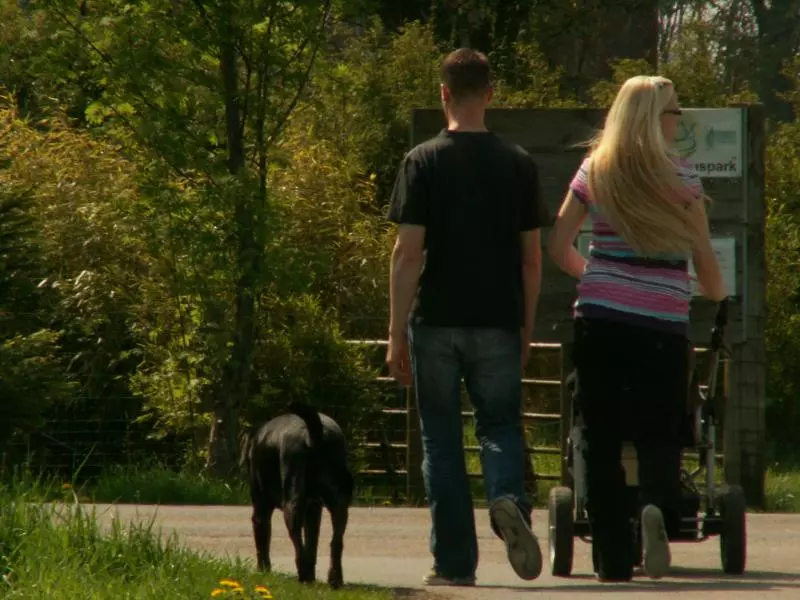 Two people walk with a dog on a path through a green environment.
Photo: Voyagemedia - RRinnau
Two people walk with a dog on a path through a green environment.
Photo: Voyagemedia - RRinnau
Brief facts on the subject
- A holiday dog, a found dog and an organized animal welfare transport are not legally the same.
- Microchip, valid rabies vaccination and suitable documents must fit together.
- Additional tests, deadlines, certificates or points of entry may apply to third countries.
- Spontaneous take-away from vacation can be problematic due to health, ownership and import rules.
- Serious intermediaries clarify the origin, vaccination status, transport and follow-up transparently.
- A dog needs time, rest, safe spaces and veterinary inspection after arrival.
- Before adoption, everyday life, costs, housing situation and care must be realistically checked.
Dog rescue begins before travel
The desire to help a dog from abroad is understandable. Nevertheless, the decision should not be made on the beach, at a hotel or under time pressure. Anyone who takes over a dog permanently needs Information on age, behaviour, health status, origin and previous attitude. The General planning for travel with animals This is different from preparing for adoption.
For a private adoption, an animal from a local animal shelter and an organized animal welfare transport, different processes apply. A found animal must not simply be brought over the border. Ownership, reference, quarantine, vaccination and the competent authorities must be clarified. Even a dog who only travels temporarily to Germany can fall under special transport rules.
Documents and entry
For travel within the EU, identification, rabies vaccination and a correctly completed EU pet passport are key points. The chip must be readable before vaccination and the prescribed deadlines must be be respected. For puppies, certain transit routes or entry from a non-EU country, additional requirements may apply.
The Official EU information on travelling with dogs should be checked for the specific country of departure, transit and destination. For third countries, a general EU checklist is not sufficient. Blood tests, health certificates, approved border points or longer waiting times are required. The Rules in other EU countries and information from the competent authority is therefore part of the preparation.
Health, transport and serious mediation
Dogs from other regions may have parasites, contagious diseases or still unrecognized discomfort. A veterinary finding, laboratory results and an understandable vaccination and treatment history are More important than emotional promises. After arrival, the dog should arrive at rest and be examined in a timely manner by a veterinary practice.
In an organized transport, the route, breaks, temperature, box size, care and handover should be documented. Transport in a private vehicle requires a secure restraint device, water and sufficient breaks. The Travel arrangements and the Holiday checklist help with the equipment, but do not replace an official examination.
Before the commitment, it should be determined who will pay for veterinary costs, registration, liability, dog tax and training. A suitable Insurance for liability and sickness is checked after entry. For the first time, the dog needs a safe Accommodation, fixed retreats and reliable care. Those who cannot afford the adoption permanently help the animal through a serious association rather than through a spontaneous take-home.
The first weeks in the new home
A dog from another environment may not be aware of household noise, linen, stairs, children, or traffic. In the first days are a fixed retreat, short walks and a A manageable daily routine is more helpful than many visits. The new family should not prematurely evaluate behavior as permanent.
Before the takeover, it is also clarified whether the dog is already prepared for humans, other dogs, cats and car trips. A secure accommodation with doors, windows and fence prevents escape in the Accommodation phase. On the first holiday with the new animal, the route should be short and the way back should remain planable.
Veterinary costs, training, food, parasite prophylaxis and possible care are recorded in a realistic monthly budget. The insurance check should begin before moving in because waiting times and Health issues can play a role. For a nursing home, responsibilities and return or mediation rules are recorded in writing.
A serious club remains responsive even after the handover. In case of uncertainty about behavior, health or documents, the association is contacted first and then a veterinary practice. This is how the good intention becomes a reliable, long-term help for the animal.
Responsibility after handover
The decision does not end with entry. A dog needs a permanent caregiver, predictable movement, training, and a solution to illness or vacation. Anyone who cannot assume this responsibility should Consider a donation, sponsorship or volunteer help, instead of taking an animal hastily out of pity.
For adoption from abroad, origin, entry and veterinary care should be examined together. Providing further guidance Holidays with a dog Entry requirements with dog.
FAQ on dogs from abroad
Can I just take a dog home from my holiday?
No. Entry, vaccination, marking and possession rules must be met before travel. In the case of a found animal, further authorities and animal welfare questions are added.
What is the difference between adoption and animal welfare transport?
During adoption, a permanent home is provided. An animal welfare transport also organizes the legally secure entry, care and handover.
What documents does a dog need within the EU?
As a rule, microchip, valid rabies vaccination and EU pet passport are important. The specific deadlines and special rules must be examined.
Can a puppy travel across the border immediately?
This depends on age, vaccination, country and exceptions. A blanket commitment is not serious.
What are the risks of a dog from southern countries?
Depending on the origin, parasites and regional diseases may be relevant. Proof of origin and veterinary examination are therefore important.
How do I recognize a serious club?
A reputable association calls origin, health status, contact person, transport route and aftercare transparent and leaves time for questions.
What needs to be done after arrival?
The dog needs rest, registration according to local rules, veterinary inspection, insurance and a slowly built up everyday life.
Can I take a dog only temporarily?
A nursing home is possible, but must be coordinated with the association, authorities, insurance and the own time possibilities.
