
Insure the animal correctly
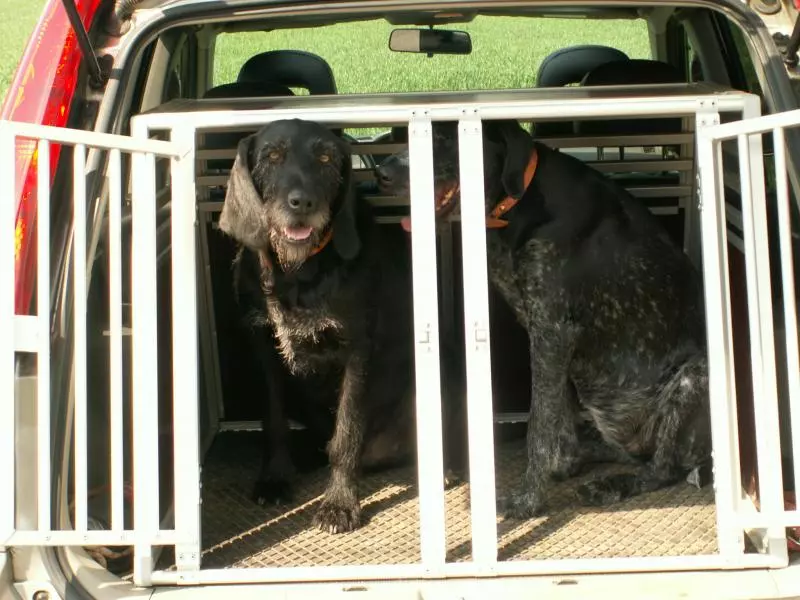 Two dogs sit secured in the rear of a vehicle during the journey.
Photo: Voyagemedia - RRinnau
Two dogs sit secured in the rear of a vehicle during the journey.
Photo: Voyagemedia - RRinnau
Brief facts on the subject
- Liability and health insurance protect against different cost risks.
- Private liability usually does not automatically include a dog.
- Check insurance coverage abroad, countries, duration and mode of transport in writing.
- Excess, annual limit, waiting time and exclusions are more important than a low contribution.
- Pre-existing conditions, certain breeds and treatments may be specially regulated.
- The European Health Insurance Card does not apply to pets.
- Insurance number, emergency contact and supporting documents should be available on the go.
Differentiate liability and health insurance
When planning a trip, two very different questions arise: What happens if the dog injures a person or damages foreign property? And who pays the bill when their own animal gets sick? The General preparation for travelling with animals Therefore begins with an inventory of the existing contract.
For dogs, dog owner liability is the typical test point. It can cover personal, property and property damage caused by the animal. A normal private liability is not sufficient for this in every contract Off. For cats and many smaller pets, other conditions apply. Decisive is not the name in the advertising brochure, but the concrete insurance certificate.
Foreign protection, excesses and exclusions
Before booking, insured persons should clarify whether protection applies in the desired country and how long a temporary stay is included. Some treaties distinguish between Europe, EU member states and others countries. Even a move, a longer stay or a commercial activity can be treated differently than a holiday stay.
In the case of veterinary or surgical insurance, waiting times, pre-existing diseases, maximum amounts and the question of whether diagnostics, medications, follow-up treatment and inpatient admission are also insured. A return transport is not automatically part of the protection. Who travels with a dog should meet the conditions for Emergency planning and read especially carefully about travel cancellation costs.
The excess can be calculated per invoice, per year of insurance or as a percentage. In addition, fee schedule, age of the animal or certain treatments may affect the refund. A written request to the insurer is useful if the trip is outside the usual EU area or an animal is treated chronically.
What should be handy before departure
The travel documents include insurance number, emergency number, contract terms and contact details of the insurer. Invoices should be complete and include date, diagnosis, treatment and animal data. A digital copy does not always replace the originals, but facilitates the first message.
The Travel arrangements It should also be coordinated with the accommodation. House rules, deposit and possible damages will not be replaced by an animal policy. For the appropriate Holiday accommodation are safe floors, fences, stairs and distance to a veterinary practice practical selection criteria. Also the sides to Holidays with a dog and Holidays with cat Help with appropriate preparation.
For border travel, additional identification, vaccination and ID must be checked. The Official EU overview on travelling with pets explains the basic documents and refers to country-specific requirements. It does not replace the information provided by the insurer.
Systematically read the contract before booking
For the examination, a simple list helps: insured animal species, insured persons, country area, maximum length of stay, start of protection, excess and annual limit. After that, exclusions are marked. This can include intent, unsupervised free running, certain sports, unprescribed medications, or treatments outside of an emergency.
The form of the journey is also relevant. A journey in your own car, a ferry passage, a flight and a stay in a holiday apartment can trigger different conditions. Who the dog in one Beach region or in a foreign country, should ask whether treatment costs, search costs, quarantine and return travel are treated separately.
In a cat, treatment in an unknown environment may have special requirements. Quiet accommodation, a safe transport box and the usual feeding reduce stress. The information about the holiday With a cat therefore belong just as much in the planning as the insurance. For several animals, it is checked whether each individual contract and chip number is covered.
Before departure or departure, the insurer will be asked for written confirmation. It should identify the country of destination, the duration of the journey and the main services. This makes it faster in an emergency decide which practice is contacted and which documents are necessary for a refund.
If the journey takes longer
For a stay of several weeks, a repeated border crossing or a trip with several animals, the insurer will be asked again. Also care, care by third parties and temporary accommodation can be evaluated differently. The contract should fit the actual trip and not just a short weekend vacation.
Animal insurance supplements travel preparation but does not replace checking entry, accommodation and emergency care. Providing further guidance Entry requirements with dog.
FAQ on Animal Insurance on Vacation
Is a dog owner liability abroad automatically valid?
No. Scope, duration of stay and exclusions are in the respective contract and should be confirmed in writing before departure.
Does private liability also apply to the dog?
It depends on the treaty and the country. Dogs are often insured separately; the insurance certificate is relevant.
Does the veterinary health insurance take over every treatment on holiday?
No. Waiting times, pre-existing conditions, limits, deductibles, and medical necessity may limit reimbursement.
Is there an EHIC for pets?
No. The European Health Insurance Card applies to people, not to the treatment of pets.
Is a return transport of the animal insured?
Not automatically. Return transport, travel cancellation and transport costs must be expressly stated in the contract.
What documents belong in the luggage?
Insurance number, emergency contact, contract statement, vaccination and treatment documents and payment documents should be available.
What is important in an elderly or chronically ill animal?
Clarify pre-existing conditions, ongoing medications and possible exclusions openly with the insurer before booking.
Who will help with a refund refusal?
First, the written justification and the contractual clause should be requested. After that, consumer advice or expert legal advice can be useful.
