
Veterinarian and Emergency Abroad
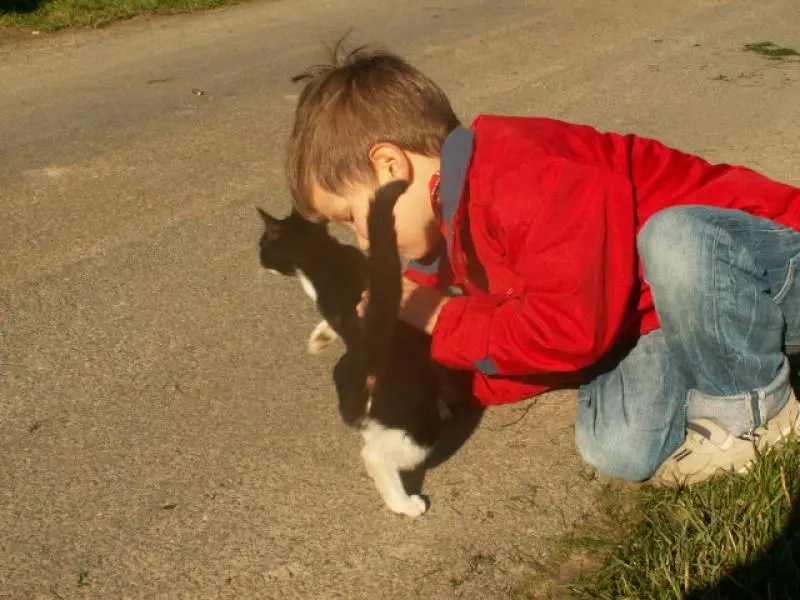 A child bends to a black and white cat on a path.
Photo: Voyagemedia - RRinnau
A child bends to a black and white cat on a path.
Photo: Voyagemedia - RRinnau
Brief facts on the subject
- Address and telephone number of a veterinary practice belong in the travel documents before departure.
- For shortness of breath, disturbance of consciousness, severe bleeding, poisoning or heat damage, immediate help counts.
- Documents, medications and known pre-existing conditions must be presentable quickly.
- A language aid with animal species, symptoms and medications facilitates communication.
- Keep invoices, diagnoses and proof of payment for insurance.
- Return transport and travel cancellation are organisationally and insurance-related questions.
- In case of loss, bite injury or possible disease, local reporting channels must be observed.
Create an emergency folder before departure
To Preparing a trip with animals It has a small emergency folder. These include name, age, weight, chip number, vaccination status, known diseases, medications and the contact details of the home veterinary practice. A second copy remains digitally accessible. For border travel, the information of the Official EU page on pet travel checked.
On site, veterinary practice, veterinary clinic, emergency service and the fastest route to the accommodation are researched. Reception, landlord or host can help with local search. The Travel arrangements should also provide a transport box or secured vehicle, water, towel and the usual medicines.
When to act immediately
Shortness of breath, collapse, heavy bleeding, spasm, poisoning, serious injury and significant overheating are emergencies. Also repeated vomiting, bloody diarrhea, severe pain or sudden paralysis must be veterinary assessment in a timely manner. In case of uncertainty, the practice is called instead of treating symptoms from a distance itself.
In the case of heat, the animal is brought out of the sun and cooled carefully; Freezing water and compulsion can hurt. After a bite, accident or contact with unknown animals, the wound, place, time and the persons involved. The Insurance documents help with the later cost explanation, but do not replace the fast supply.
Documents, costs and return transport
The practice should, where possible, issue an invoice containing animal data, diagnosis, treatment, medication and date. Findings and images are kept. Before expensive treatment, according to cost estimate and Payment method is asked. Not every insurance company reimburses every foreign treatment; Contract terms and excesses are crucial.
A return transport may be necessary in the event of illness, injury or travel cancellation. Veterinarians, insurance companies, transport providers and tour operators can request different proofs for this. The sides to Holidays with a dog, Holidays with cat and Dogs from abroad complement the species-specific preparation. For the accommodation, peace, short distances and secure accommodation are organized.
Loss, Escape and Bite Injury
In the case of a runaway animal, accommodation, police, shelter, veterinary practices and local reporting centres are informed. Chip number and current photos speed up the search. After a bite injury, medical Supply, contact details and local reporting obligations clarified. No one should hold an injured or frightened animal unsafe.
Whoever travels to the beach with a dog will find in the Planning of dog beaches Notes on heat, water and return. The Country verification supplements the emergency folder with local requirements. Thus, the emergency plan remains practical without promising false security.
Prepare a short language aid
On one leaf are species, sex, age, weight, chip number, known diseases, allergies and medicines. Short sentences such as “The animal breathes heavily”, “It may have eaten something” are added. “Since when have the complaints been made?” A translation app can support, but does not replace the direct call to a practice in the event of an emergency.
The payment method is also clarified in advance. Some practices require immediate payment or do not accept certain cards. A reserve for initial treatment and a digital copy of insurance data Avoid delays. After treatment, the findings, bill and medication plan are photographed and stored safely.
For a cat, the safe transport box is particularly important. Doors and windows of the accommodation are closed before the animal is taken out. In a dog, a leash or a Dishes are used, even if it otherwise follows reliably. After an accident, the animal should be moved as little as possible.
After the emergency, it will be decided whether the trip will be continued, interrupted or terminated. This includes medical advice, stress on the animal, safe care and the return journey. The travel documents help, make this decision calmly and comprehensibly.
Do not forget aftercare
After treatment, dosage, rest periods and control appointments are recorded. In the event of deterioration, the same practice will be contacted again if possible. After returning, the home veterinary practice the findings. Thus, treatment and insurance remain traceable even after the holiday.
FAQ on veterinary emergency abroad
How do I find a veterinary practice on vacation?
Before departure, research online and through accommodation, community or local emergency services. Store address and route offline.
When should an emergency be treated immediately?
In case of shortness of breath, collapse, heavy bleeding, spasm, poisoning, serious injury or significant overheating immediately contact a practice or clinic.
What documents does the practice need?
Chip number, vaccination status, ID card, known diseases, medicines and if possible the previous findings.
How do I communicate without appropriate language skills?
Prepare a short list of animal species, symptoms, medications and allergies in the local language and show the information in writing.
Does the insurance pay for the treatment?
This depends on the contract, country, treatment reason, limit and proof. Inquire before major measures and secure all evidence.
What do I do with a poisoning?
Remove the animal immediately from the source, secure packaging or photo and obtain veterinary instructions by phone. Do not cause vomiting if it has not been ordered.
When is a return transport useful?
If the treatment on site is not sufficient or the trip has to be ended. Veterinarian and insurer should coordinate the next steps.
What happens after a bite?
Get wound care, document contacts and request local reporting or quarantine rules.
