
Sustainable nature holidays
Nature holiday can combine peace, movement and special experiences. At the same time, coasts, dunes, forests, moors, lakes and mountain landscapes are sensitive to traffic, waste, noise and large numbers of visitors. Sustainable nature holidays therefore do not only begin on the hiking trail. Already the choice of destination, the arrival, the location of the holiday apartment, the travel time and the question of which activities fit the resilience of the area, decide on the quality of the stay.
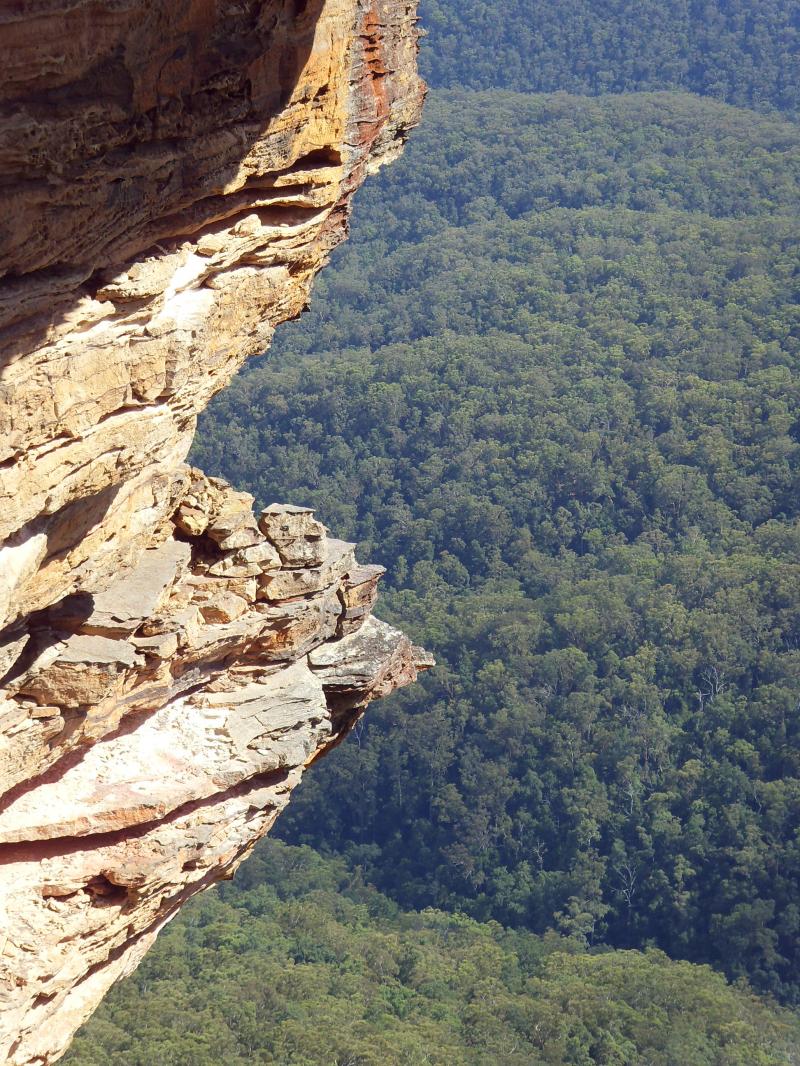 Steep rock face over a densely forested valley in the Blue Mountains; Symbol for sensitive mountain and forest landscapes.
Photo: Markus Lenk
Steep rock face over a densely forested valley in the Blue Mountains; Symbol for sensitive mountain and forest landscapes.
Photo: Markus Lenk
Brief facts on the subject
- Protection:Marked paths, barriers, breeding seasons and local rules must be observed.
- Arrival:Train, bus, bicycle, ferry or carpool can be useful depending on the destination.
- Accommodation:Location, water, energy, waste, access and supply are in the comparison.
- Activity:Hiking, cycling, nature observation and swimming must fit the landscape and season.
- Conduct:Distance from animals, no waste, no fire and no removal of plants protect habitats.
- Travel time:Weather, protection times, routes and transport offers change the planning.
Understanding protected areas before travel
A national park, nature park, biosphere reserve or bird sanctuary has its own rules. Before arriving, find out which paths are open, where dogs must be leashed, whether fire, drones, tents or Bathing is allowed and whether certain areas are closed seasonally. The Federal Office for Nature Conservation provides general guidance; for the specific area, local administration and up-to-date information shall be relevant.
Nature must not only be understood as a backdrop. Introduction Ecotourism count consideration, arrival, accommodation and excursions together. If a well-known attraction is overrun, a less sensitive trail, an off-peak visit or a guided tour may be a better alternative.
Plan coast, lake, forest and mountain regions differently
On coasts and lakes, dunes, reeds, mudflats and shore vegetation are particularly vulnerable. Stay on jetties and marked paths, do not take sand, shells or plants and pay attention to bathing and Nature protection areas. In dry regions, the water consumption of the accommodation should not be underestimated.
In the forest and in the mountains, weather, fire danger, rockfall, grazing livestock and sudden changes of paths can play a role. A hike should fit with condition, shoes, daylight and rescue options. For bicycle and e-bike tours, safe parking options, charging questions, climbs and the rules of the respective area count.
Planning accommodation and protected area together
Accommodation directly at the protected area is not automatically the best choice. Decisive are regulated access, marked paths, visitor guidance and the accessibility of purchasing and supply. This is how sensitive Protect areas without forcing daily detours.
Use energy, water, house rules and specific consumption data They shall: own accommodation test. The nature side focuses on landscape, activity, protection rule and travel time.
Travel and mobility in nature holidays
The Sustainable travel should be thought up to the accommodation and up to the starting point of the planned activities. A train station with a bus connection may be sufficient for some regions. Elsewhere, a car is necessary because of paths, weather or Baggage demands this. It is crucial to bundle the journeys on site and not to travel long distances every day to a new starting point.
Circular routes, regional buses, bicycle rentals, mountain railways or hiking buses can make everyday life easier. But check opening hours, seasonal schedules and reservations. At remote homes are shopping, medical Care and a possible emergency ride part of the planning. The Total costs should include parking, tolls, transfers and equipment.
Water, energy and waste on the road
In a holiday apartment, the catering can be well planned. Buy quantities that fit the stay, take advantage of regional offers and bring reusable bags or bottles with you, if this is on site It makes sense. In dry regions, shower, pool, garden and laundry change should be used appropriately. Heating and air conditioning do not run when the windows are open.
Waste is taken back with it if there is no suitable container on the way. Food scraps do not belong in nature, even if they appear biodegradable. Wild animals should not be fed. Whoever supports regional enterprises in the contribution to Regional and fair travel further decision support.
Select travel time and activities
The best travel time depends on the desired experience and the protection needs of the region. Breeding and settling times, heat, water level, snow, storm and forest fire risk change the possibilities. The Travel times help with the basic planning, current area indications must be additionally checked.
Choose activities that fit the group and location. Guided walks, nature centres, regional museums and small providers can provide knowledge and strengthen the local economy. When offering animals in Involving close contacts or unclear shows, travelers should ask about housing conditions and purpose. Sustainability also means recognizing boundaries.
Check three things before nature excursion
- Protection:Find out about marked paths, barriers, breeding and resting times, dogs, fires, drones and collecting plants.
- Loading:Choose route, time of day and activity according to weather, water supply, visitor volume and personal experience.
- Return:Clarify arrival, parking, bus, bicycle, toilets, emergency contact and the way back to the accommodation.
Local specifications are important and can change seasonally. An official protected area site or the responsible administration is more reliable for current closures and rules of conduct than a general Travel description. The arrival and the accommodation location should match the excursion destination.
Experience nature without unnecessarily avoiding
Short circuits, regional guided tours and accessible viewpoints can bring more than a dense program with several long transfers. In ecotourism, offers should not only show nature, but also Make limits, group size and behavior understandable.
Those who travel with children will find Small and plannable nature experiences Appropriate audit questions. Regional spending with local providers can support the place, but does not replace the protection of sensitive landscapes. The Basics of sustainable travel Help with the overall comparison.
Frequent questions about sustainable nature holidays
How do I plan a trip to a protected area?
Check area, access, trails, shelter times, weather, equipment and return route. The binding instructions of the responsible administration are before general travel recommendations.
What rules apply to dogs and animals in the protected area?
Compulsory linen, restricted areas, grazing livestock, breeding seasons and distances from wild animals vary by area. Check with the responsible administration before the excursion.
How do I choose a route by weather and ability?
Consider length, gradients, subsurface, daylight, weather, water, experience and return option. A shorter safe route is often the better choice.
Which activities are nature-friendly?
Hiking, cycling and nature observation can be suitable if trails, season, group size and protective rules are observed.
Can I walk with a dog in the national park?
It depends on the area. Check compulsory linen, restricted areas, grazing livestock, breeding seasons and water points before the excursion.
How do I avoid rubbish on nature holidays?
Plan shopping and food, use reuses, take waste with you and dispose of it only in suitable places.
What should I do with a short-term closure?
Plan an official alternative route or postpone the excursion. Do not enter locked areas and do not rely on older cards or posts.
How do I find current protection rules?
Use the website or information from the responsible protected area administration and inform yourself shortly before the excursion about weather and closures.
