
Travel reports and holiday experiences
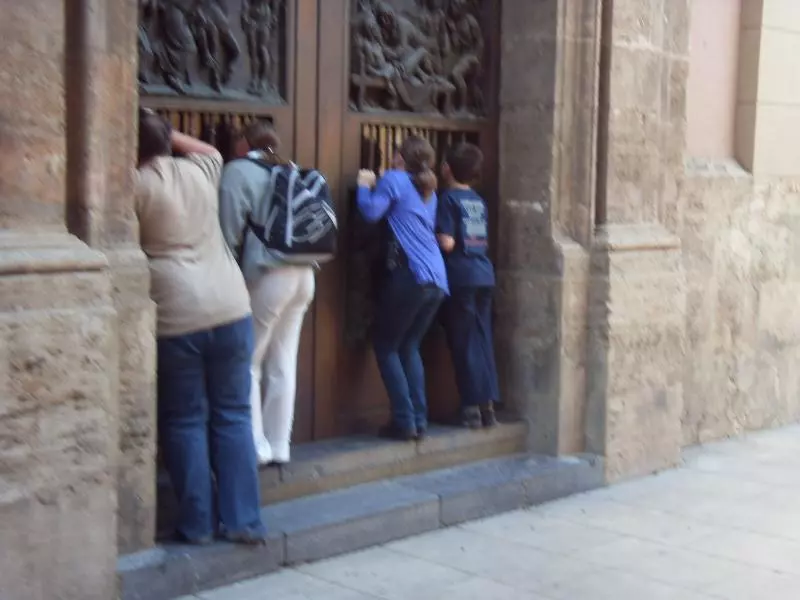 Curiosity is a prerequisite for any good travel report: Those who do not stop their eyes will discover nothing to report on travel.
Personal travel reports can convey atmosphere, local impressions and the small details that make a journey memorable. They are useful for inspiration, but they describe a particular person, group, season and point in time. For a current trip, check prices, transport, opening hours, entry rules and accommodation separately.
What a good travel report can show
- the reason for the journey and the approximate travel period;
- the route, daily rhythm and distance between places;
- personal observations about accommodation, food, weather and unexpected difficulties;
- which parts were comfortable or challenging for the writer and travel group;
- what remains a personal impression rather than a general rule.
A family may assess a property differently from a couple, and a group with a dog differently from travellers without one. Read the report with your own group, mobility, budget and travel pace in mind.
Separate impressions from current facts
Prices, timetables, traffic conditions, opening hours, entry requirements, house rules and availability can change. A photograph shows a personal perspective, but does not prove the current condition of a road, room or facility. The travel preparations guide and holiday checklist provide practical points to verify.
For current accommodation choices, compare holiday homes by location and equipment. Destination pages such as island holidays can help you move from general inspiration to a concrete plan.
How to assess a travel report
Look for the travel period, route, travel group and expectations. Concrete descriptions of paths, room layout, weather, shopping and everyday routines are more useful than general praise. Check whether a statement describes one unusual day or a condition that is likely to recur.
It helps to make two lists: personal observations on one side and information to confirm today on the other. The second list may include price, traffic, opening hours, entry, pet rules and accommodation availability. Use the travel-seasons guide and the arrival and departure guide for additional checks.
If you write about your own journey
State the approximate period, describe your own experience clearly and distinguish observations from facts that readers may need to verify. Use only photographs for which you have permission. Avoid publishing private contact details, access codes or promises about current availability.
A useful report does not need to praise every part of a trip. Honest notes about distance, noise, weather, access and practical difficulties help readers decide whether the experience fits their own plans.
Use reports as one part of planning
Travel reports are strongest when they answer practical questions without pretending to be a current guarantee. Combine the personal perspective with current destination information, a realistic budget, a suitable property and enough time for changes in weather or transport.
Photo: M. Lenk
Chennai and Bangalore: a 2008 travel report
A personal 2008 travel report from Chennai and Bangalore, preserved as a historical account rather than a current travel recommendation.
|
||

Tignale on Lake Garda: a 2009 holiday experience
A detailed personal account of a 2009 stay near Tignale on Lake Garda, kept as a historical impression rather than current booking information.
|
||
