
Sustainable holidays in Montenegro
Find accommodation
What to consider on a more responsible Montenegro holiday
Montenegro brings the Adriatic coast, the Bay of Kotor, lakes, forests and mountain landscapes close together on the map. The distances can still be demanding because of winding roads, seasonal traffic and limited connections. Plan the route around realistic travel times and choose accommodation that fits the activities you want to do.
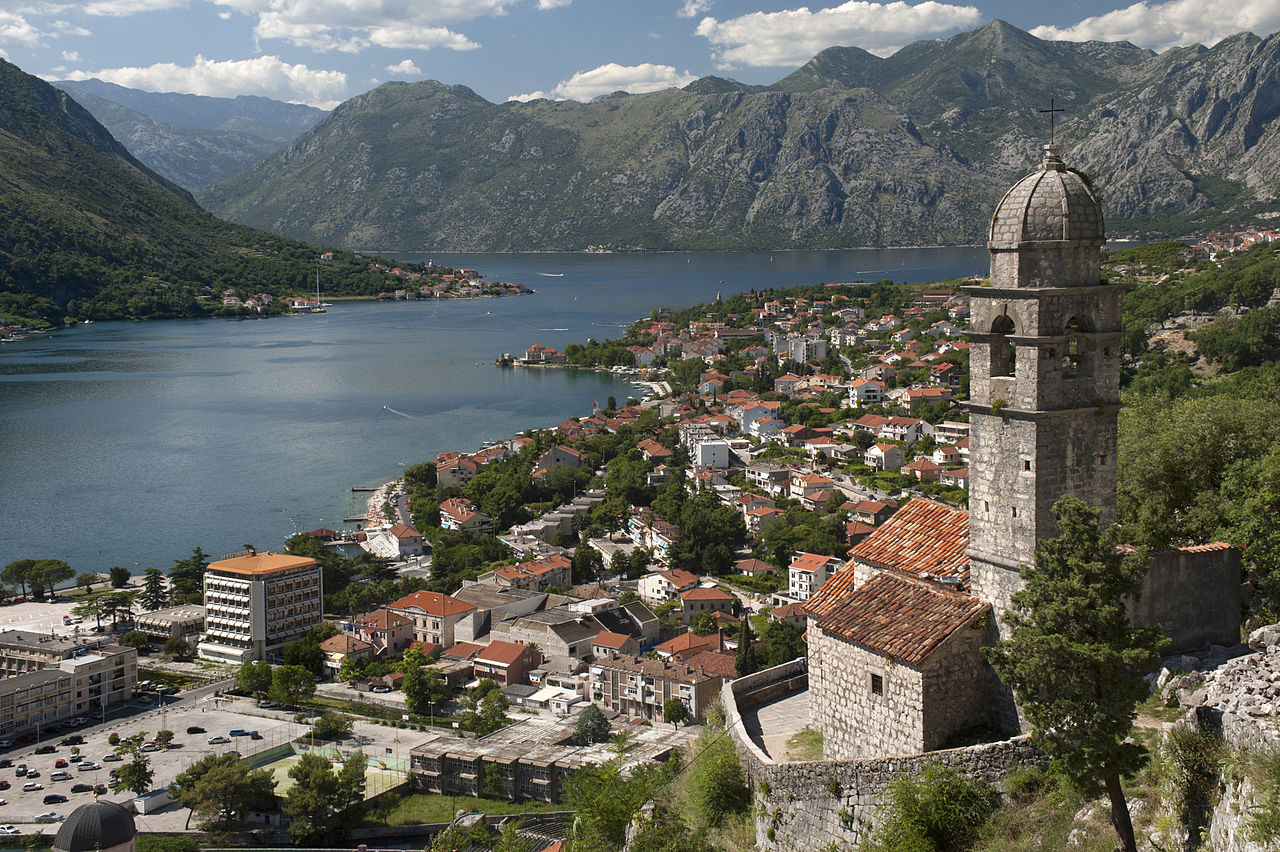 View over the Bay of Kotor with mountain scenery and historic church in Montenegro.
Photo: User:Ggia / Wikimedia Commons
View over the Bay of Kotor with mountain scenery and historic church in Montenegro.
Photo: User:Ggia / Wikimedia Commons
- Compare the number of transfers with the length of the stay and avoid unnecessary changes of accommodation.
- Check water supply, hot water, cooling, heating, waste collection and access before booking.
- Follow local rules in national parks, on the coast and around lakes and rivers.
- Plan food, fuel, parking and walking routes in remote areas before setting off.
- Leave room for weather and traffic changes, especially on mountain and coastal roads.
Coast, bay or mountains?
Coastal bases can make swimming, boat trips and historic towns accessible, but summer traffic and parking may add time to every journey. A mountain location can offer quiet and cooler air while requiring longer drives for food, medical services or excursions. Decide which landscape should be the focus, then choose a base that keeps daily travel manageable.
The guidance on sustainable arrival helps compare car, coach and other transport options. For the final route, check road conditions, parking and whether the accommodation can be reached without a difficult unpaved or steep section.
Accommodation and everyday resources
Ask hosts how water, heating, cooling, laundry, waste and maintenance are handled. In a remote house, confirm drinking water, electricity, mobile reception, kitchen equipment and the nearest shop. The accommodation checklist provides questions that are useful before booking.
A view over the bay or mountains does not show how practical the location is. Check stairs, access, shade, parking, walking distance and the journey back after an excursion. For families, sleeping arrangements and a safe outdoor area may be more important than a panoramic position.
Nature and protected landscapes
Use marked paths, respect fire and bathing rules and take waste away from beaches, lakes and mountain routes. Do not remove plants, stones or other natural material where local rules prohibit it. Weather can change quickly in the mountains, so carry suitable clothing, water and a route plan with a safe return option.
The nature holiday guidance supports preparation for walks, wildlife and sensitive areas. Ask locally which routes are open and suitable for your group instead of relying on an old description.
Food and local services
Markets, small restaurants and local producers can be useful parts of a holiday, but opening times, prices and seasonal availability vary. The regional and fair travel guidance helps you ask where products come from and plan purchases without wasting food.
On long day trips, carry enough water and a small reserve meal. In remote areas, do not assume that a restaurant, fuel station or shop will be open when you arrive.
Families and dogs
Families should compare shade, short walks, safe access to water, sleeping rooms and the distance to everyday services. With dogs, check local rules, wildlife, heat, ferry arrangements and whether the accommodation has a secure outdoor area. The family travel guidance adds practical planning questions.
Questions before booking
Is a remote location more sustainable?
Not automatically. Quiet surroundings may be attractive, but long access routes, deliveries, energy use and daily car journeys can outweigh that benefit.
How many bases suit a one-week trip?
Usually fewer bases make planning easier. Compare the real driving time and choose one main region unless the transfer itself is part of the trip.
What should I check for a mountain holiday home?
Ask about road access, parking, heating, water, electricity, shops, mobile reception, weather alternatives and the nearest help in an emergency.
