
How to Check a Holiday Property Before Buying
Start with the documents
Before making a binding offer, confirm who owns the property and which rights or charges are registered against it. Check the relevant land or property register, proof of ownership, powers of attorney, boundaries, floor areas and any documents for shared ownership. Names, addresses and measurements should match the sales information and draft contract.
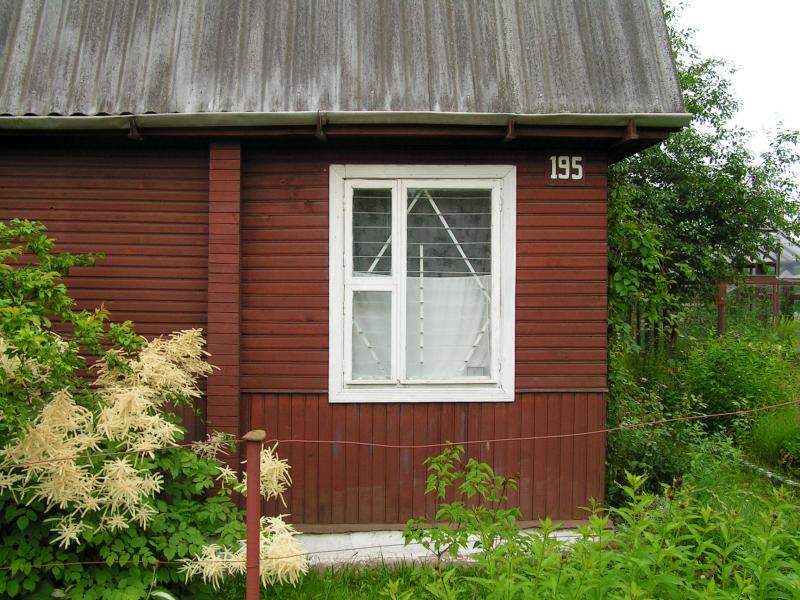 Red wooden house with window, roof and vegetation; Facade, window and exterior should be examined during a visit.
Photo: Ilya
Red wooden house with window, roof and vegetation; Facade, window and exterior should be examined during a visit.
Photo: Ilya
For a purchase abroad, identify the documents used in that jurisdiction and have important translations and legal points checked by an independent local professional. The general guide to buying a holiday property and the separate advice on buying property abroad provide useful planning questions.
Inspect condition and permitted use
During a viewing, look beyond the rooms and the view. Check the roof, damp, windows, heating, wiring, plumbing, insulation, façade, access and outdoor areas. Photograph visible defects and record questions rather than relying on memory. For an older or technically complex building, arrange an independent inspection before making a final commitment.
Confirm that the intended use is permitted and practical. Planning status, building permissions, access, utilities, parking, accessibility and local restrictions can affect both personal use and letting. A later rental should never be assumed. Compare the relevant holiday-letting requirements before treating rental income as part of the plan.
Review community and local obligations
For an apartment, review the title or division documents, house rules, service charges, reserve funds, meeting minutes, planned works and possible special contributions. Also consider noise, neighbouring uses, internet access, traffic, seasonal access and the availability of local services. The location should work for the owner’s stays and for any realistic guest use.
Calculate the complete cost
Separate one-off purchase costs from ongoing costs. Include taxes, professional fees, financing, insurance, utilities, travel, administration, cleaning, maintenance, repairs and reserves. Use supporting documents or reliable local information wherever possible. The guide to additional purchase costs helps keep purchase charges separate from annual running costs; the financing guide covers the funding decision.
Review the contract before signing
Ask for material answers in writing and make sure important commitments appear clearly in the contract. An estate agent can provide information, but does not replace independent legal, technical or tax advice. Contract terms, deadlines, deposits and payment arrangements should be explained before any binding signature.
For properties in France, Belarus or another country, confirm the current local requirements with a qualified professional. Rules on ownership, payment, tax, permitted use and letting can change and should not be inferred from a general example.
Prepare the visit and follow-up
Take a written list covering construction year, renovations, permits, utilities, heating, damp, access, running costs and planned works. Compare the property on site with the documents and sales information. After the visit, cross-check the answers and keep a decision folder with sources, open points, reports and the next action.
Use the guidance on location, purchase contracts and private use or letting to complete the comparison.
Decide only when material questions are answered
Proceed only when ownership, charges, condition, permitted use, total costs, handover and financing are sufficiently clear. If important points remain open, obtain another report, consultation or viewing. A structured check cannot remove every risk, but it makes the decision more transparent and easier to review.
Visitor checklist
- ownership, register extracts, boundaries and floor areas
- permits, intended use, access, utilities and parking
- roof, damp, windows, heating, wiring, plumbing and outdoor areas
- community rules, service charges, reserves, minutes and planned works
- purchase costs, annual costs, insurance, maintenance and reserves
- contract terms, deadlines, deposits, payment route and open questions
Frequently asked questions
Is a viewing enough before buying?
No. The property, documents, condition, permitted use, contract and complete cost should be checked together.
When is an independent inspection useful?
It is especially useful for older, renovated or technically complex buildings, or whenever visible information does not answer important questions.
What should apartment buyers review?
Review the division or title documents, house rules, service charges, reserves, meeting minutes, planned works and possible special contributions.
Can every holiday property be rented out?
No. Local rules, permissions, building conditions, insurance and tax requirements must be checked for the specific property.
Does the same checklist apply abroad?
The core questions remain similar, but documents, authorities, payment rules and legal requirements must be confirmed locally.
