
Use or Rent Out a Holiday Property: Compare the Options
A holiday property can be a private retreat, a source of rental income or a combination of both. The right model affects the location, equipment, financing, availability and organisation. Compare the practical consequences before buying or changing how you use the property.
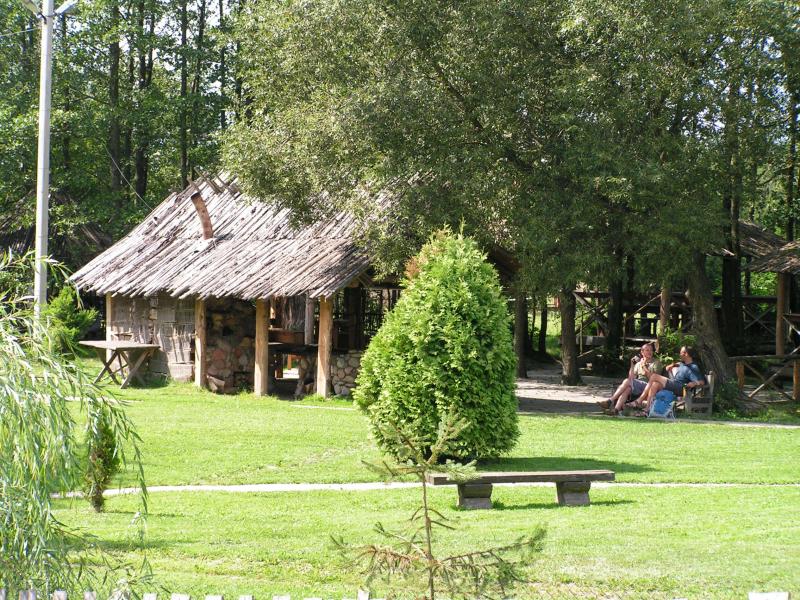 Rustic wooden house with seating area and two people in the countryside as a clear image for use and care of a holiday property.
Photo: Ilya
Rustic wooden house with seating area and two people in the countryside as a clear image for use and care of a holiday property.
Photo: Ilya
Three common models
| Model | Main benefit | Main effort | Suitable when |
|---|---|---|---|
| Private use | Flexible stays and personal equipment | Running costs continue without rental income | Your own holidays are the priority |
| Mixed use | Combines private time with selected bookings | Private dates and guest stays must be coordinated | Flexibility matters more than maximum occupancy |
| Holiday letting | Regular guest stays may create income | Enquiries, cleaning, keys, repairs and rules need reliable processes | There is demand and dependable local support |
Assess private use
Private use may favour a convenient journey, personal storage, privacy, a familiar kitchen and equipment chosen for the owner’s needs. Insurance, utilities, maintenance and local charges still apply when the property is empty. Compare these annual costs with the value and frequency of the stays you actually expect to make.
Assess holiday letting
Letting requires a realistic target group, suitable equipment, a clear listing, guest communication, cleaning, key handover and repair support. Estimate income using realistic occupied nights and include vacancies, cancellations, cleaning, platform fees, utilities, insurance, maintenance and reserves.
Check whether tourist use is permitted at the location. Building or community rules, registration, safety requirements, insurance conditions and tax obligations may also apply. Confirm the current position with the responsible authority before committing to a rental model.
Plan mixed use carefully
Set private dates before opening the remaining periods to guests. Personal belongings need protected storage, while guest equipment should be robust and easy to maintain. Decide who handles cleaning, damage, maintenance and emergencies, and include that work in the annual budget.
Compare the decision over a full year
Write down expected private nights, available rental nights, realistic occupancy, income, fixed costs, variable costs and organisational time. Test the result with weaker demand, a repair and an empty period. A model that works only with full occupancy is not a reliable plan.
The owner checklist for renting out a holiday property covers preparation and guest service. Use the rental-price guide for the next calculation step.
Questions to ask before choosing
- How often will the property be used privately?
- Is there enough demand in the periods available for guests?
- Who will handle local tasks when the owner is away?
- Which rules, costs and risks apply to the intended use?
