
How to Assess the Location of a Holiday Home
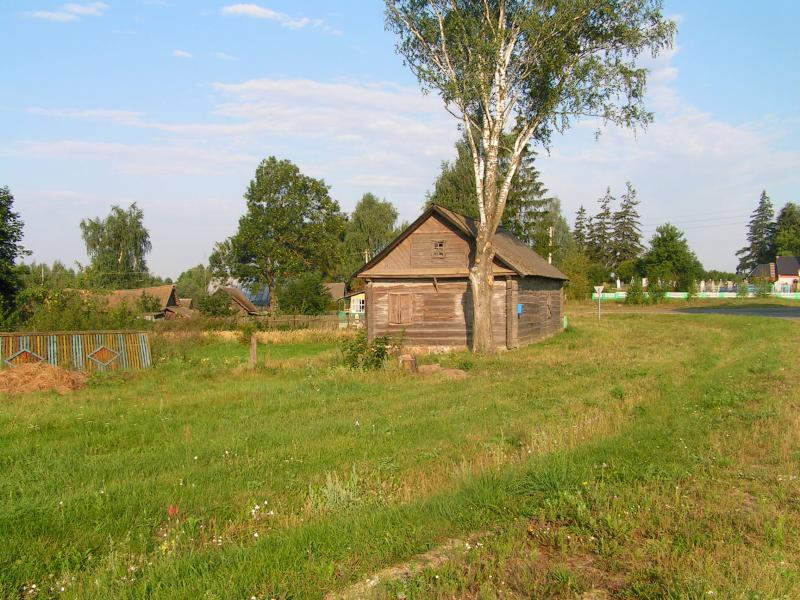 Wooden house on a street with fields and trees; Environment, accessibility and neighborhood are part of the site test.
Photo: Ilya
Wooden house on a street with fields and trees; Environment, accessibility and neighborhood are part of the site test.
Photo: Ilya
Key checks for a holiday home's location
- The best location depends on personal use, access, condition, costs and the intended rental.
- Transport, parking, shops, healthcare, internet and local services affect everyday use.
- Noise, flood, fire, erosion, slope and other local risks should be checked for the exact property.
- Demand and occupancy vary by season; a popular view does not guarantee rental income.
- Visits at different times can reveal conditions that an online listing does not show.
Match the location to the planned use
A location is not automatically suitable simply because it is attractive or well known. For private use, consider the journey, shopping, leisure, quiet, accessibility and proximity to the facilities that matter to you. For holiday letting, consider the likely guests, seasonal demand, parking, public transport and whether arrivals can be organised reliably.
The guide to buying a holiday property helps set the intended use before comparing locations. The pre-purchase checklist then links the location review with the property, documents and running costs.
Check access and local services
Review the route by car and public transport, parking, airports or railway stations, shopping, medical services and the distance to the property. Map information should be checked during a visit or against reliable local information. Roads, ferries, mountain routes and seasonal services may operate differently outside the main holiday period.
Internet, mobile reception, heating, water, drainage and waste collection also affect practical use. If guests are expected, consider how they will find the property, park, collect keys and contact someone if they arrive late. The guide to renting out a holiday property covers the operating arrangements that should be planned alongside the location.
Consider noise and environmental conditions
Traffic, nightlife, events, neighbouring properties, agricultural activity and building work can affect enjoyment and demand. Visit at different times of day and, where possible, in more than one season. Check planned development rather than judging only the current view.
Local risks may include flooding, coastal erosion, wildfire, landslides, storms or difficult winter access. The relevant authority, property documents and an independent local professional can help identify the checks needed for the exact address. Do not infer safety or insurability from photographs or a general description of the region.
Separate attraction from rental demand
Views, beaches, historic centres and leisure facilities may support demand, but they do not establish a reliable income. Compare similar properties by size, equipment, access, outdoor space, parking and season. Record the assumptions behind any occupancy or price estimate and include maintenance, management, cleaning and vacant periods.
Location also affects purchase costs and future management. Use the guide to additional purchase costs and compare private use with holiday letting before deciding how much convenience, access and local support are worth.
Country-specific checks
When buying abroad, local planning, registration, tax, access and rental rules may differ from those familiar to the buyer. The guide to buying property abroad explains why independent local checks are important.
Country information should be used to prepare questions, not to replace current advice for a particular address. The pages about buying in France and buying in Belarus should be read alongside current professional guidance.
Use a simple comparison record
For each location, record travel time, access, parking, services, noise, risks, demand, private-use suitability, management options and expected ongoing costs. Note the source and date of each important statement. This makes it easier to compare properties fairly and to identify questions that remain unanswered.
Questions to ask before choosing a location
Should I visit more than once?
Yes. Different times of day, weekdays, weekends and seasons can reveal traffic, noise, access and service conditions that a single visit misses.
Does a good view guarantee a good investment?
No. A view may support enjoyment or demand, but income, costs, permissions, access and future risks still need separate checks.
What matters most for holiday letting?
That depends on the guests and season. Access, parking, equipment, local attractions, reliable services and practical management should be assessed together.
How should I check local risks?
Ask the relevant authority and qualified local professionals about the exact property, and compare their information with the documents and the site visit.
