
How to Finance a Holiday Property Responsibly
Financing a holiday property requires more than matching a loan to the purchase price. Include taxes, professional fees, renovation, furnishing, insurance, maintenance, travel and a reserve for periods when the property is empty. Then compare the finance plan with the way you intend to use the property.
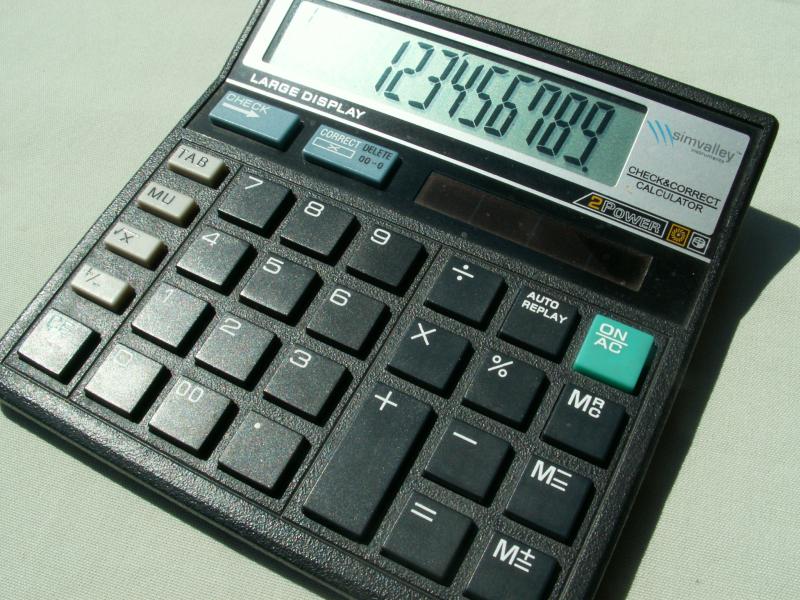 Calculator as a picture subject for the calculation of loans, monthly installment and financial reserves.
Photo: Voyagemedia - RRinnau
Calculator as a picture subject for the calculation of loans, monthly installment and financial reserves.
Photo: Voyagemedia - RRinnau
Calculate the full amount needed
Start with the purchase price and add the costs that arise before and after completion. Depending on the location, these may include contract and registration charges, taxes, professional fees, valuation, finance costs, renovation, furniture and initial repairs. The guide to holiday property purchase costs provides a checklist for the calculation.
Use, letting and mixed use create different financial requirements. A property used privately may produce no rental income, while letting creates costs for cleaning, management, maintenance and periods without guests. Compare the intended use with the guidance for buying a holiday property and renting out a holiday property.
Compare equity, loans and security
Equity can reduce the amount borrowed, but lenders also assess income, existing commitments, the property, its legal structure and the available security. A property abroad may require different documents or a different valuation approach. Obtain an individual offer before treating any estimate as a finance plan.
Ask where the security is located, how it is valued and what happens if the property is sold or its use changes. For an overseas purchase, review the relevant ownership, registry and contract questions in buying property abroad. Country-specific questions should be checked with a qualified local professional.
Build a realistic monthly budget
Set out interest, repayment, insurance, management, energy, maintenance, local charges and reserves. If letting is planned, use cautious assumptions for occupancy, seasonal demand, achievable prices and management costs. The plan should remain affordable when income is lower than expected or a major repair is needed.
Loans and income in different currencies create additional exchange-rate exposure. Include transfer and conversion charges and consider how a change in the exchange rate would affect both the regular payment and the remaining debt. Current legal, banking and payment restrictions must be checked for the country concerned.
Prepare the documents before applying
A lender or adviser may require information about income, assets, commitments, the property, its running costs and the proposed purchase contract. For an apartment, collect the relevant community charges, reserve information, planned works and rules. The checklist for checking a holiday property before buying can help organise the property information.
Compare offers by total cost, term, fixed-rate period, repayment options, fees, security and conditions for early repayment. An adviser or estate agent may help collect documents, but legal, tax and credit questions should be reviewed by the appropriate qualified professionals.
Allow for private use and empty periods
Private stays during the strongest rental periods can reduce income, while maximising bookings increases cleaning, communication and management work. Decide how much flexibility you need before choosing the finance structure. Compare the alternatives in using or renting out a holiday property.
Worked example: payment and reserve
Suppose that €180,000 is borrowed for the purchase price and additional costs. At an illustrative interest rate of 4% and an initial repayment rate of 2%, the annual amount would be €10,800, or €900 per month. A further €200 per month for repairs, insurance and empty periods would bring the planned monthly budget to €1,100.
This is only an illustration, not a finance offer. The actual payment depends on the lender, term, interest rate, fees, currency and security. Rental income should be estimated cautiously and should not be needed to make an otherwise unaffordable plan appear viable.
Questions to answer before committing
- What is the complete purchase and setup cost?
- Can the budget withstand empty periods and larger repairs?
- Which costs and risks arise from private use, letting or both?
- How do term, interest period, fees and early-repayment conditions compare?
- Are the legal, tax, insurance and currency questions clear for this property?
Frequently asked questions
Can every bank finance a holiday property abroad?
No. Lenders apply their own criteria to the country, property, income and security.
How much equity is needed?
There is no universal amount. It depends on the purchase, the lender, the property, income, existing commitments and available security.
Should expected rental income be included?
Only cautiously. Use realistic assumptions for demand, prices, occupancy, costs and management, and keep the plan affordable if income is lower than expected.
What happens if the loan and income use different currencies?
Exchange-rate movements can change the regular payment and the remaining debt. Include that exposure in the budget and obtain advice on the specific arrangement.
Is a finance approval also a property inspection?
No. Finance, condition, ownership, planning, contract, tax and local letting rules require separate checks.
