
Holiday apartment in Cabo de Hornos
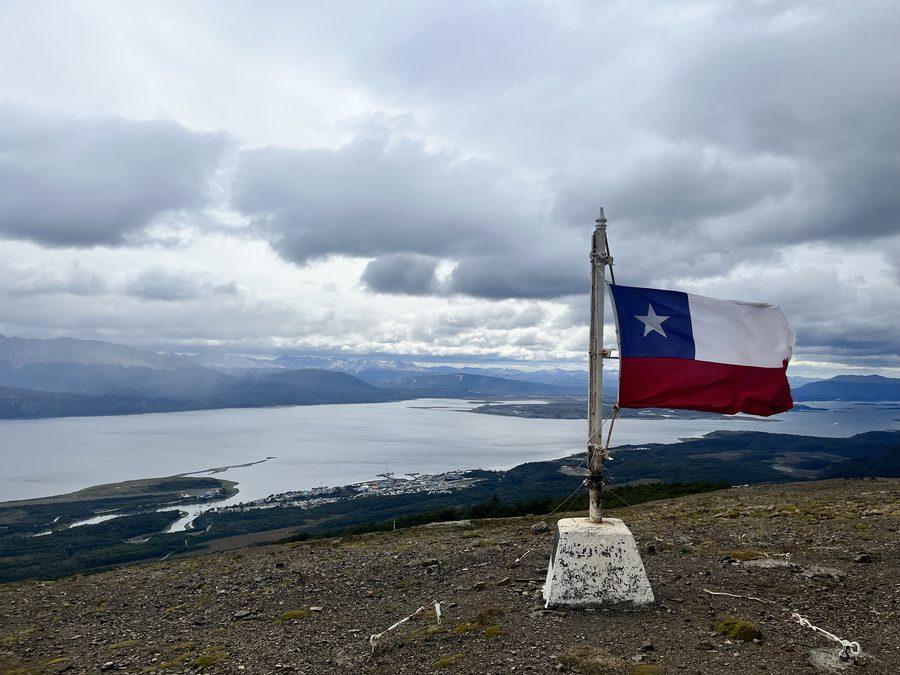 Puerto Williams auf Navarino Island dient als zentraler regionaler Bezugspunkt für die Navigation zum Nationalpark Cabo de Hornos.
Photo: Morhua via Wikimedia Commons, CC0
Puerto Williams auf Navarino Island dient als zentraler regionaler Bezugspunkt für die Navigation zum Nationalpark Cabo de Hornos.
Photo: Morhua via Wikimedia Commons, CC0
Cabo de Hornos is not a classic holiday resort, but a remote maritime island world at the southern end of the Tierra del Fuego archipelago. The cape is located on Hornos Island in Chile and marks the northern edge of the Drake Passage between South America and Antarctica. Anyone looking for a holiday apartment here is planning above all a nature and discovery trip with islands, sea, protected areas, and maritime history.
Brief facts about Cabo de Hornos
- The Cape Cabo de Hornos is located on the small Hornos Island at the southern end of the Tierra del Fuego archipelago.
- The region lies in the transitional area between the Atlantic and Pacific and on the northern edge of the Drake Passage.
- The cape is located in Cabo de Hornos National Park and in the Cabo de Hornos Biosphere Region.
- Puerto Williams is an important regional reference point for planning excursions in the national park.
Island nature at the end of Tierra del Fuego
The appeal of Cabo de Hornos lies in the combination of open sea expanses, islands, and a landscape strongly shaped by the southern archipelago. The regional classification includes maritime habitats, forests, and subantarctic landscapes. This makes the place interesting for families who measure shared days of discovery not by a crowded leisure program, but by extraordinary landscape impressions and the feeling of experiencing a special corner of the world.
The protected-area landscape shapes the character of the trip. The regional tourism site places Cabo de Hornos within a biosphere region with several national parks and the Islas Diego Ramírez–Paso Drake marine park. This classification describes the broader natural area; however, no specific routes, wildlife sightings, or excursions can be derived from it from every accommodation. For travel planning, it is therefore crucial which nature experiences are actually reachable via the chosen connection.
Puerto Williams as a regional base
For orientation around Cabo de Hornos National Park, Puerto Williams is particularly relevant. The official tourism website describes the town as a central reference point in the archipelago and states roughly twelve hours from Puerto Williams for navigation to the national park. This duration is a published guideline and may vary depending on route, vessel, and conditions; current connections should be checked before the planned trip.
This also changes the accommodation decision: a holiday apartment in the vicinity of a regional base may be more useful for planned nature excursions than the expectation of finding a densely developed place to stay with comprehensive infrastructure directly at the cape. No specific accommodation or particular level of services can be inferred from this. Therefore, check in advance what food and supply options the chosen base actually offers.
Maritime history makes the landscape vivid
Cabo de Hornos is closely linked to historic sea routes, the Drake Passage, and the maritime history of the far south. This gives the landscape additional significance: sea, islands, and navigation become understandable not only as a natural area, but also as a setting for maritime and exploration history. For families, this can be a good reason to combine landscape observation and historical questions without requiring any special prior knowledge.
Concrete museums, guided tours, or exhibitions are not sufficiently documented for this place. The cultural added value therefore lies primarily in the regional history and the geographic classification of the cape.
Keep travel time and day planning deliberately open
The remote maritime character and long connections argue for forward-looking, flexible planning. Based on the available information, no particular season can be broadly recommended. Current conditions and transport options should be checked before the planned trip so that accommodation planning does not depend on a single, time-inflexible connection.
For families with different interests, it can be helpful to combine days focused on nature and scenery with quieter periods. Which activities or excursions are actually possible depends on the respective connection and the current conditions. Cabo de Hornos is therefore particularly suitable for travel planning that leaves room for adjustments and does not fill every day with firmly promised program items.
Which holiday apartment suits the character of the trip?
The right base depends less on a wide choice of local amenities than on the planned travel schedule. Anyone who wants to visit the national park should align the accommodation question with the regional base and the planned ship connection. Anyone who mainly wants to experience the southern island and sea landscape should also check how the chosen accommodation fits with supplies and their own daily planning.
Three questions are particularly important here: Does a remote nature trip suit your expectations better than a classic holiday resort? Is the chosen base well located for the planned regional connections? And does it offer the food and supply situation your family needs? Specific facilities, prices, and availability of individual holiday apartments must each be checked separately.
Frequently asked questions about Cabo de Hornos
What makes Cabo de Hornos special as a travel destination?
Cabo de Hornos combines the southern island world of Tierra del Fuego with the Drake Passage, maritime history, and a protected subantarctic landscape. Depending on the context, the name refers to the cape, the island region, or the municipality.
What experiences are the focus in Cabo de Hornos?
The focus is on landscape and nature observation in an island and sea region, as well as engagement with maritime and exploration history. You should not assume specific tours or wildlife sightings without checking them currently.
Which base is relevant for a visit to Cabo de Hornos National Park?
Puerto Williams is the relevant regional reference point. The official tourism website mentions about twelve hours of navigation to the national park. Accommodation and travel itinerary should therefore be planned according to the intended connection and the required supplies.
How should the trip be timed?
The long maritime journey and the remote character argue for forward-looking, flexible planning. Current connections and conditions should be checked before the planned trip; no particular season is broadly recommended.
For the broader travel overview: Antártica Chilena Province.

