
Accommodation in Chile
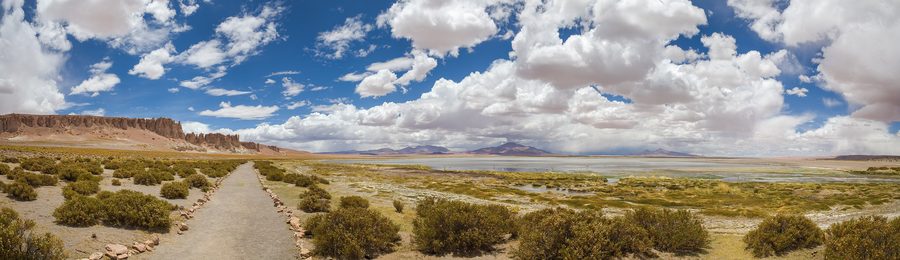 Atacama Desert salt-flat landscape in northern Chile.
Photo: Diego Delso via Wikimedia Commons, CC BY-SA 4.0
Atacama Desert salt-flat landscape in northern Chile.
Photo: Diego Delso via Wikimedia Commons, CC BY-SA 4.0
Chile is a country of very different travel moods when it comes to choosing accommodation. The north, Central Chile, the lake district and Patagonia each set a different pace: dry expanses and coast, city and wine, green nature days, or a longer journey to the far south. If you are traveling with family, that difference helps with choosing the right base.
Quick facts about Chile
- Chile has very different natural zones; the north, center, south and Patagonia feel like separate trips.
- The north stands for dry landscapes, coast, salt flats and mining history.
- Central Chile combines Santiago and Valparaíso with city, coast and wine.
- The south and the lake district are greener, with lakes, forests, volcanoes and national parks.
- Chile combines indigenous traditions, colonial history and modern city life.
- Patagonia requires more time and is often reached via Punta Arenas.
Northern Chile: desert, coast and very clear contrasts
If you first think of Chile in terms of dramatic landscapes, the north is the clear counterpart to the greener south. Dry expanses, stretches of coast, salt flats and mining history shape the destination here. That makes it especially interesting if you want a distinctive setting for your base.
For this northern pattern, Antofagasta, Región De Atacama and Región De Tarapacá are useful; if you want to include the far north as well, add Región De Arica Y Parinacota and Décima Quinta Región De Arica Y Parinacota.
Central Chile: combining city, coast and wine well
Central Chile links Santiago and Valparaíso with the coast and wine country. It also offers museums, historic squares and a creative food scene, so several travel ideas can be combined around one base.
If you are looking for that mix, read Region Metropolitana, Valparaíso, Región De Coquimbo and Región Del Libertador General Bernardo O'Higgins together.
Southern Chile and the lake district: lakes, forests and volcanoes
In the south, the focus shifts noticeably: instead of dry expanses, you will find lakes, forests, volcanoes and national parks. This is especially suitable if nature days are meant to be the main focus.
For these greener travel images, Región De La Araucanía, Bío-Bío, Region Los Lagos, Region Los Ríos and Region Maule are a good fit.
The far south and Patagonia: allow more travel days
Patagonia is the farthest and most dramatic part of Chile and needs more time. If you include this far south, think of the base more as part of a longer route. Punta Arenas is a common starting point for this.
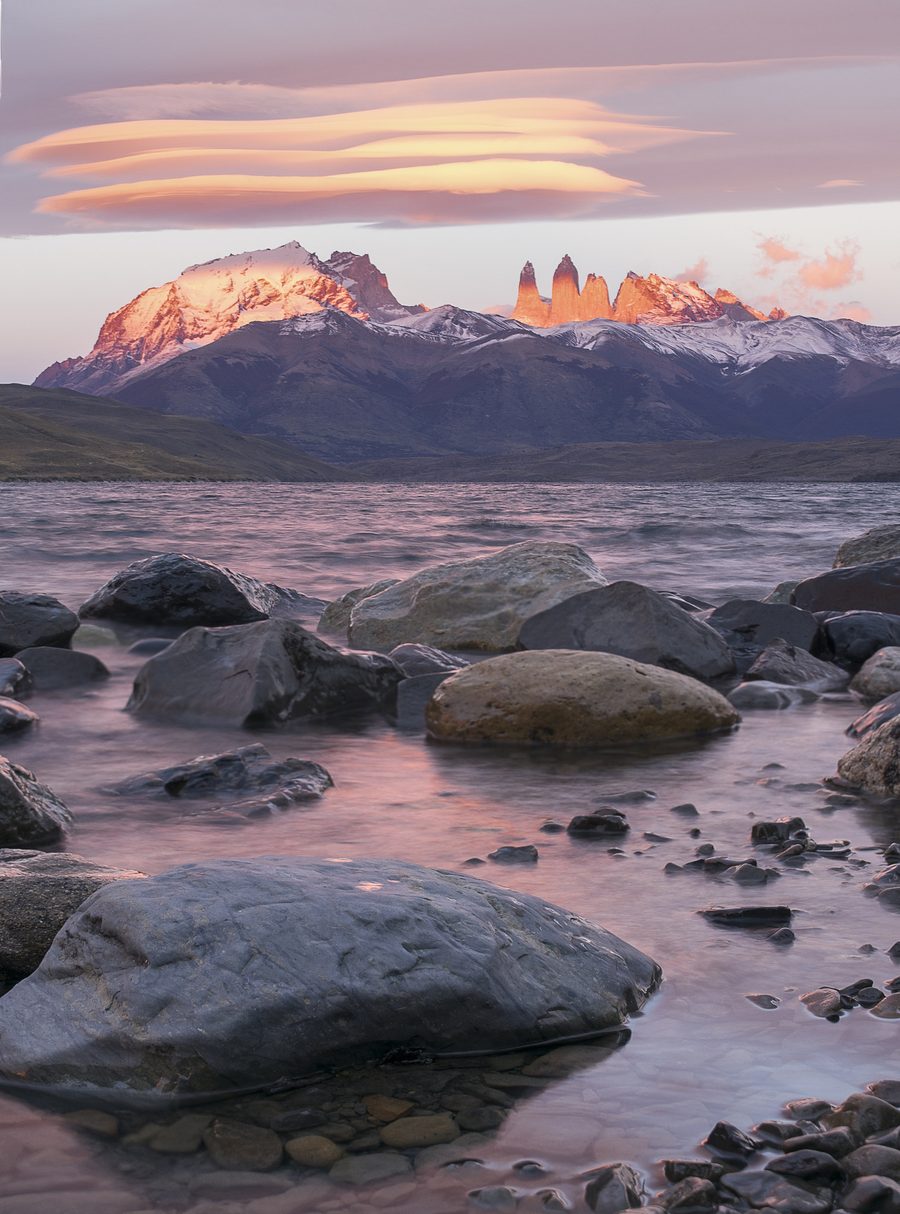
For the far south, Region Aisén and Region Magallanes Y De La Antártica Chilena belong on the same route; here, accommodation makes most sense if you are planning the south not as a side trip but as a full travel stage.
Which region fits which travel plan?
If you sort Chile by style of trip, the north is the choice for dry landscapes and strong contrasts, Central Chile for city, coast and wine, the lake district for greener nature days, and Patagonia for a longer route with more time. That way, the accommodation better matches the daily rhythm you want.
Frequently asked questions about Chile
Which region in Chile is best for a first family trip?
For a first family trip, the main decision is often between Central Chile, the lake district and Patagonia. Central Chile combines city, coast and wine well, the lake district stands for greener nature days, and Patagonia needs more time.
How does northern Chile differ from the south?
Northern Chile is the zone of dry landscapes, coast, salt flats and mining history, while the south is greener and offers different travel days with lakes, forests, volcanoes and national parks.
Which region is suitable for city, coast and wine?
Central Chile is the best fit for that. Santiago and Valparaíso can be combined there with the coast and wine country.
Why does Patagonia need more time?
Patagonia is the farthest and most dramatic part of Chile. That is why this section works better as a longer travel component rather than a short side trip.


.jpeg)