
Culinary markets and market halls
Find accommodation
Markets and market halls are useful places to try regional food, buy ingredients or start a day of exploring. The right accommodation depends on whether you want a quick taste, a market breakfast or enough space to store and prepare what you buy.
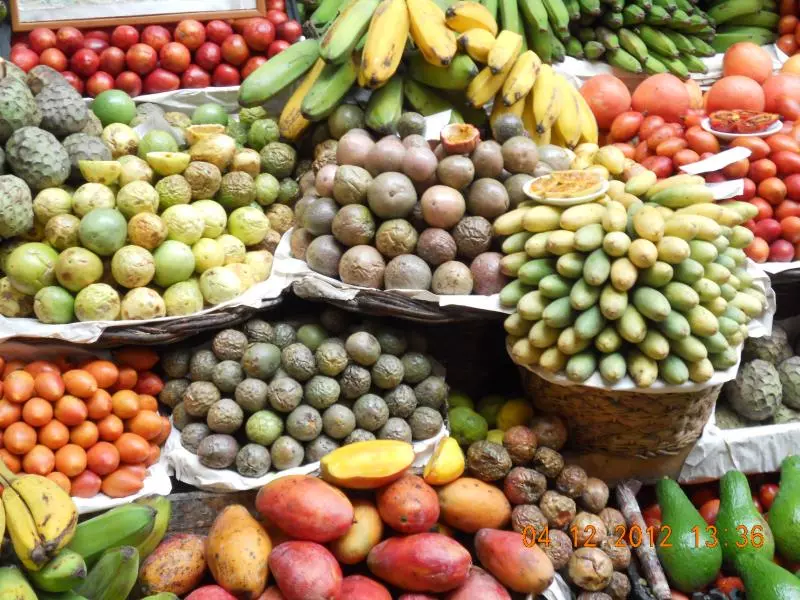 A fruit and vegetable stand in a market hall in Funchal.
Photo: Angelika + Peter Baczkowski
A fruit and vegetable stand in a market hall in Funchal.
Photo: Angelika + Peter Baczkowski
At a glance
- Weekly markets, market halls, farmers' markets and fish markets serve different purposes.
- Opening days, start times, seasonal changes and public holidays should be checked before travelling.
- For fresh purchases, cooling, packaging and the route back to the holiday home are important.
- Families and people with reduced mobility may need shorter routes, seating and accessible facilities.
- Include transport, parking, food, storage and possible restaurant costs in the day's plan.
Prepare your market visit
Check the day, opening time, location, parking and public-transport route with the market operator or local information service. An early market may be easier from a central property or a holiday home within walking distance. For a market outside the centre, allow time for parking and the return journey.
Do not rely on an old listing for current opening arrangements. Holidays, weather, seasonal trading and local events can change the timetable. Keep a nearby café, restaurant or other attraction as an alternative if the market is closed or smaller than expected.
Match the accommodation to your shopping
If you plan to buy cheese, fish, meat or delicate produce, check the fridge, worktop, hob, cookware and tableware before booking. A short route back is useful for perishable food. Buy quantities that fit the storage space and the meals you expect to prepare.
If you only want to taste regional products, small portions and a restaurant may be more convenient than a full self-catering plan. Ask sellers about ingredients, origin and storage, especially if you have an allergy or a particular diet. The seller's current product information is more reliable than a general description of a market.
Make the market part of the day
Combine a market visit with a walk, museum, harbour or cooking evening, but leave room for queues, weather and unexpected discoveries. A market does not need to fill the whole day. The guide to olive-oil holidays shows one way to combine shopping and tasting with a wider food-focused trip.
For further ideas, compare fish and seafood holidays, cheese and ham journeys, cooking courses on holiday and regional specialities. Choose the links and activities that genuinely help with your route and interests.
Frequently asked questions
What is the difference between a market and a market hall?
A market may trade on particular days, while a market hall often has more regular opening times and weather protection. Check the individual venue.
When should I visit?
Check the current opening day and start time. Early visits are easier when the route from the accommodation is short and reliable.
Can I store food in a holiday home?
That depends on the fridge, available space, product and storage advice from the seller. Check these details before buying.
Are markets suitable for families?
Yes, if the duration, route, breaks and alternative activities suit the group. A nearby retreat can help with changing weather or tired children.
What should I check before travelling?
Check the opening arrangements, location, parking, public transport, likely costs, accessibility and an alternative plan.
