
Barcelona city breaks
Find accommodation
Barcelona combines historic districts, modernist architecture, markets, museums and the Mediterranean coast. A successful city break depends on the neighbourhood, the distance between planned visits, arrival arrangements and the time available. A holiday apartment can be useful for several nights, especially when a kitchen or separate bedrooms matter.
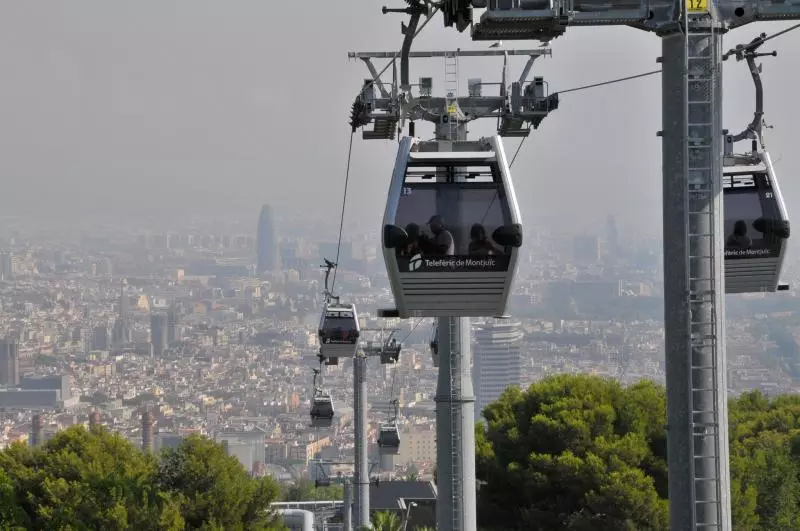 Barcelona combines historic districts, modernist architecture and the Mediterranean coast.
Photo: Alesia Belaya
Barcelona combines historic districts, modernist architecture and the Mediterranean coast.
Photo: Alesia Belaya
Key points for Barcelona
- The old town, Eixample, the beach and areas outside the centre create very different daily routines.
- Attractions may require timed tickets and advance planning.
- Public transport is often practical, while luggage, late returns and parking require a specific location choice.
- Noise, stairs, lift access, key handover and the distance from the station or airport should be checked.
- Several nearby visits are usually more relaxed than crossing the city repeatedly.
Choose a neighbourhood
The old town suits historic walks and central sights. Eixample is convenient for architecture, restaurants and transport connections. A beach location works for the coast and evening walks but may be less convenient for daily visits to inland attractions. Compare the accommodation with the main focus of the trip rather than choosing a location only because it is described as central.
Before booking, ask about noise, stairs, lift, luggage access, kitchen facilities, sleeping arrangements, final cleaning, tourist tax and any minimum stay. Public transport can be easier than driving and parking in the city.
Plan visits by area
Group visits by neighbourhood. A morning in the old town, a separate route for modernist architecture and another period for the beach or port can be easier to manage. Allow time for meals, shade and rest, and connect timed admissions with the route from the accommodation.
The city-break guide helps compare accommodation and daily routes. Further comparisons include Andalusia, Leipzig, Lisbon, Bruges and Venice.
Arrival and practical costs
Check the route from the airport or station, the key handover and the first journey with luggage. Include public transport, tickets, cleaning, tourist tax, parking and minimum-stay costs in the comparison. The travel-preparation guidance can help with documents and arrival planning.
Frequently asked questions
Which neighbourhood suits a first stay?
That depends on the focus: the old town for historic routes, Eixample for central connections and architecture, or the beach for the coast and promenade.
How many attractions fit into one day?
Plan a few nearby destinations and allow time for tickets, travel and breaks.
Do I need a car?
Usually not for the city. Public transport is often more practical than finding parking.
What matters in a holiday apartment?
Easy luggage access, noise levels, kitchen, sleeping arrangements and the connection to the arrival point.
Which costs are often missed?
Final cleaning, tourist tax, minimum stay, admission tickets, local transport and parking.
