
Lisbon city break
Find accommodation
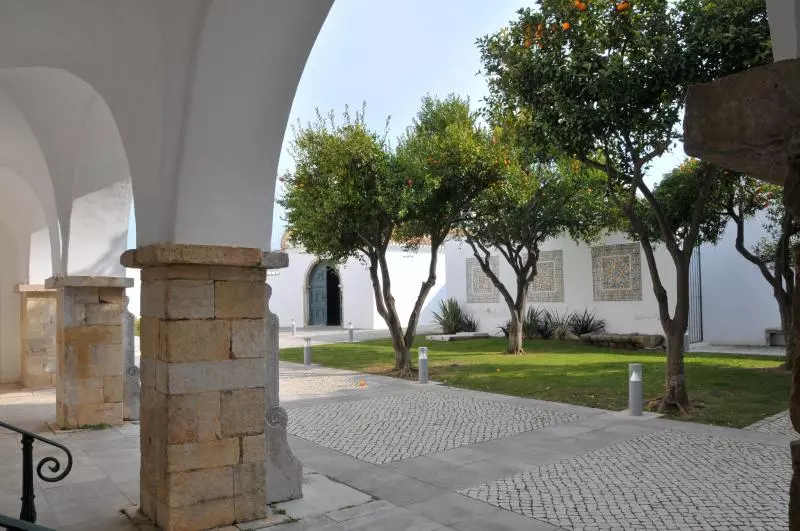 Lisbon historic streets and architecture
Photo: Alesia Belaya
Lisbon historic streets and architecture
Photo: Alesia Belaya
Lisbon at a glance
- Hills, stairs and cobbled streets shape many routes through the city.
- A good metro, train or tram connection can matter more than a central address.
- Historic buildings vary in lift access, sound insulation, ventilation and air conditioning.
- Sintra and Cascais each need their own time and travel plan.
- Parking is often impractical in central areas, so check the exact accommodation location.
Neighbourhoods and daily rhythm
Lisbon combines viewpoints, historic neighbourhoods, squares beside the Tagus and maritime history. Baixa and Chiado are central for many first visits. Alfama is atmospheric, but its slopes and narrow lanes demand more time and energy. Belém lies further west and works best as a separate focus.
An apartment near a suitable stop can make everyday travel easier. Travellers leaving early or travelling with children should consider the final walk and a quiet sleeping position. In older buildings, check stairs, lift access, sound insulation and the route with suitcases before booking.
Combine sights sensibly
Castelo de São Jorge, Praça do Comércio, Alfama and Chiado involve hills and breaks. Torre de Belém and Mosteiro dos Jerónimos are in another part of the city. A daily plan with two main priorities leaves more room for views, food and spontaneous discoveries. Check opening times and admission arrangements shortly before visiting.
Day trips and arrival
Sintra and Cascais are worthwhile additions, but they are not short detours within the centre. A location near a station or a reliable public transport connection may be more useful than a rooftop view. Plan the final route from the airport or railway station in advance. For late arrivals, confirm key handover and a reachable contact.
Apartment and total cost
A kitchen and washing machine are valuable for longer stays. In summer, consider ventilation, shading and air conditioning, but confirm the actual equipment rather than assuming it in a historic building. Compare the full price, including cleaning, deposit, local taxes and additional charges. A car is usually unnecessary for central days, but may be useful for a separate onward journey.
General guidance on location and equipment is available in city trips with a holiday apartment.
Check a Lisbon apartment step by step
Four questions help compare locations: How will you arrive with luggage? How steep is the final route? Can the planned sights be reached on the same public transport line? Is the apartment quiet enough at night? This makes it easier to compare Baixa, Chiado, Alfama, Belém and outer areas by practical value, not just by photographs.
For two nights, central routes may matter more than a large kitchen. For a week, a washing machine, storage, seating and space for breaks become more important. Families should confirm sleeping arrangements and safe access; older travellers should ask about lifts, stairs and slippery surfaces. A balcony or view is useful only if the apartment remains comfortable in everyday use.
Treat Sintra and Cascais as separate days and check the connection for the chosen date. If you travel onwards afterwards, include luggage storage and the route to the next station. Travel preparations and the comparison of an apartment or holiday home help with the choice of base.
Travel times can help with heat, holidays and seasonal programmes. Families can compare sleeping arrangements and break options with family holidays in a holiday home. Travelling with a dog requires suitable routes, permission and house rules; see holidays with a dog. If you plan to link Lisbon with Andalusia, compare the second component in a city break in Andalusia. Current visitor information is available from Visit Lisboa.
Frequently asked questions
Which neighbourhood suits a first visit?
Baixa and Chiado are central. Alfama suits travellers who are comfortable with narrow lanes and slopes; a location near public transport may be easier overall.
Do I need a car?
Not for many Lisbon sights. A car may help with day trips or onward travel, but parking and access should be checked first.
What matters in a historic building?
Check lift access, stairs, sound insulation, ventilation or air conditioning, the luggage route and the sleeping arrangements.
How demanding are the routes?
That depends on the neighbourhood. Include hills, stairs and cobbles in the daily plan and allow time for breaks.
How much time does Sintra need?
Sintra deserves its own block of time, including the outward and return journeys.
