
Bruges city breaks
Find accommodation
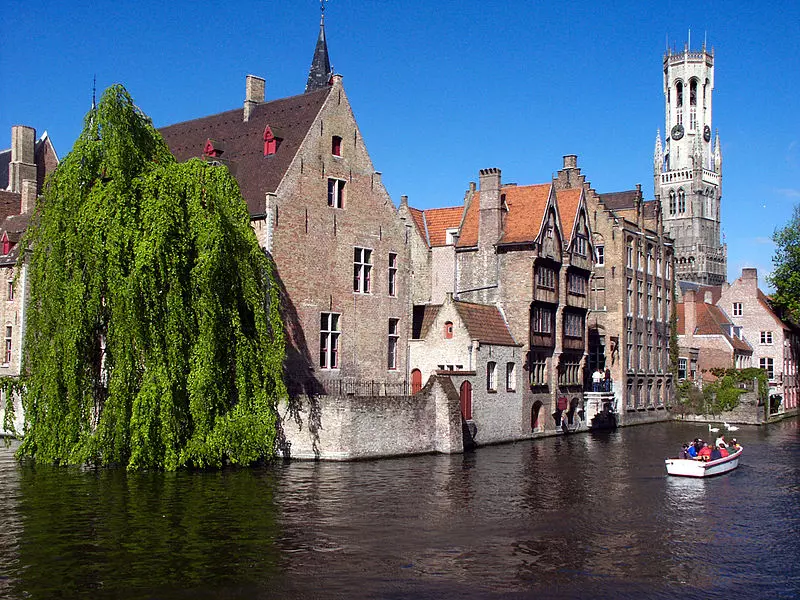 Bruges canals and historic buildings at Rozenhoedkaai
Photo: Jean-Christophe BENOIST (CC BY-SA 3.0) über wikipedia
Bruges canals and historic buildings at Rozenhoedkaai
Photo: Jean-Christophe BENOIST (CC BY-SA 3.0) über wikipedia
Bruges at a glance
- The historic centre can be explored on foot in many areas.
- Canals, cobbled streets and bridges make comfortable shoes and realistic daily plans useful.
- An apartment just outside the busiest streets may be quieter and easier to reach with luggage.
- Check parking, access and bicycle storage before booking.
- Confirm museum opening times, boat trips and events for your travel dates.
Old town, Market Square and canals
Bruges suits a city break focused on architecture and atmosphere. Around Markt and Burg, historic façades, squares and narrow streets can be combined in a compact walk. A stroll beside the canals shows the city from a different angle. A boat trip or carriage ride can add variety, but neither needs to dictate the whole itinerary.
For a first day, plan a manageable route through Markt, Burg, the canal banks and a few quieter lanes. Leaving some time unplanned makes it easier to take breaks, stop at a café or visit a museum if the weather changes. Cobblestones and bridges can make short map distances feel longer, particularly with a pushchair or heavy luggage.
Choosing the right location
An apartment in the old town saves time on the main sights, but the surrounding restaurants and evening activity may make it livelier. A location near the centre can offer a quieter night while still providing a walk or bus connection into the historic streets. If you arrive by train, check the complete route from the station with your luggage.
Families should compare kitchen facilities, separate sleeping areas, storage and the route to food shops. Couples may prefer a smaller apartment in a historic building, but should check stairs, lift access, sound insulation and luggage storage. Cyclists should confirm secure bicycle parking rather than relying on a general location description.
Travel, parking and total cost
If you arrive by car, do not assume that you can park directly outside an old-town apartment. Compare access, parking charges and the walk with your bags. The total price may also include cleaning, a deposit, bed linen or local taxes. Minimum stays and check-in times matter especially for a short weekend.
Spring and autumn often suit walking and culture. Summer brings longer days, but popular weekends may be busier. In colder weather, heating, a comfortable living area and short routes become more important. Check current opening times and event dates shortly before travelling.
General guidance on location and equipment is available in city trips with a holiday apartment.
Plan a realistic weekend
For two nights, combine the journey with an old-town walk on arrival and choose one main focus for the following day. Markt, Burg and the canals can form a compact route; a museum, boat trip or quieter neighbourhood can be added if time and energy allow. This leaves room for rain, queues and unplanned discoveries.
With more nights, Bruges can be combined with another place in Flanders. Avoid changing accommodation on the same day as the most important visit. An apartment with a kitchen is useful when breakfast or a late meal should not depend on restaurant opening times.
Before travelling, check the route from the station or parking area, bicycle storage and key handover. Travel preparations help with documents and timings, while holiday-home rental guidance covers contract and cost questions. If you prefer more outdoor space, compare an apartment or holiday home with the old-town location.
Families should compare sleeping arrangements, a quiet night-time location and space for breaks. Travelling with a dog requires permission, suitable walking routes and compliance with local rules; see holidays with a dog. Current visitor information is available from Visit Bruges.
Frequently asked questions
Which location saves the most time?
The old town saves walking time to the main sights. A well-connected area outside the busiest streets can be quieter and easier by car.
How many nights are useful?
Two nights are enough for a compact first visit. An extra night allows more time for museums, canals and a slower pace.
What should I check in an old building?
Check stairs, lift access, sound insulation, heating, luggage access and the exact sleeping arrangements.
Can I stay in the old town with a car?
Only if access and parking are clearly confirmed. A well-connected area outside the centre may be more practical.
Where can I check current opening times?
Check the relevant museum, organiser or official tourism service for your intended date.
