
North Sea: Watt, Islands and Tides Plan Properly
On the North Sea, the choice between island, hallig and mainland changes the entire itinerary. One Popular destination Therefore, should be selected not only by beach, but by tide, ferry connection, luggage and supply. An apartment on the harbour is different to plan than a house behind the dike or accommodation on an island.
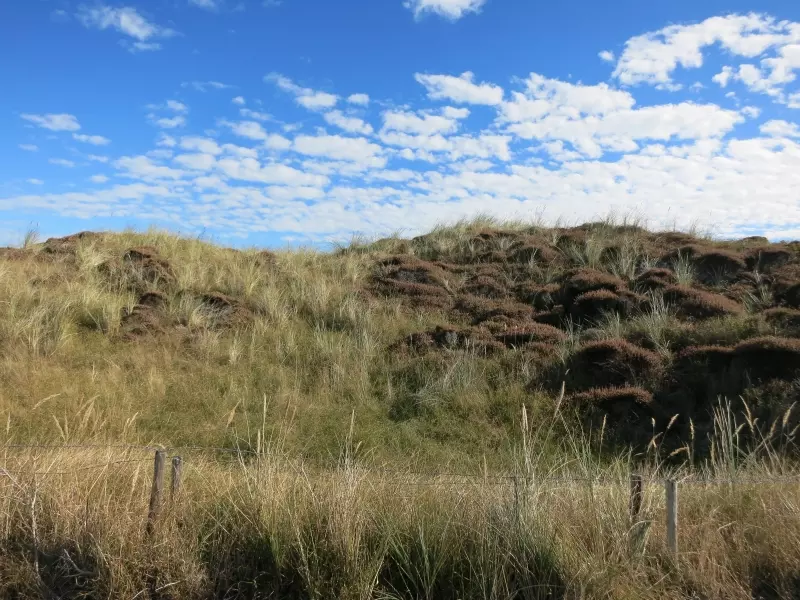 Dune landscape on Texel on the Dutch North Sea coast under a blue sky.
Photo: Markus Lenk
Dune landscape on Texel on the Dutch North Sea coast under a blue sky.
Photo: Markus Lenk
Brief facts on the subject
- Islands, Halligen, coastal towns and mainland differ in terms of travel, landscape and infrastructure.
- Tides affect muddy walks, beach access and day planning.
- On islands, ferry, luggage, vehicle transport or island bus are part of the preparation.
- For families, flat paths, kitchen, washing machine, shopping and weatherproof offers count.
- Spring, autumn and winter often provide rest; Summer is more in demand.
- When holidaying with a dog, beach sections, linen rules and the surroundings of the accommodation are important.
Island, Watt or dike location suitable plan
An island suits travelers who want the sea and special landscape as a focal point. The mainland often offers more flexible shopping and more excursion options; Hallowing and remote locations, on the other hand, require particularly precise weather and travel planning. Introduction Holiday home holidays The actual route to the beach, pier or dike should be described. Tides and wind influence whether a short walk, a Watt hike or a boat trip at a certain time is possible.
Families benefit from the kitchen, washing machine, flat paths and accommodation where even a rainy day works well. Dog owners must check beach sections and linen rules. For cycling holidays include dike paths, wind direction and dry parking possibilities. The Checking the holiday accommodation before booking and the Apartment with children make these points visible before booking.
Island, Hallig or mainland?
An island is suitable for travelers looking for the sea, special landscape and a clear change of location. The mainland often offers more choice, easier purchases and better excursion options. Hallowing and remote locations require particularly precise arrival and weather planning. For a first decision, the clues help to Travel times and weather as well as the specific check of the ferry or bus connection.
Introduction Holiday home holidays The way from the house to the beach should not only be evaluated in kilometers. Dike, dunes, port and tides can change the actual use. For families and older travelers, paved paths and accessible seats are important. If you travel without a car, you should be able to connect shopping, beach and train station or investors on foot or by bus.
Watt, beach and coastal towns
Wattwand, beach, port, lighthouse and coastal town can give a varied program. tides and weather must be taken into account during Watt and boat trips; Exact times should be checked up-to-date. When it rains, museums, swimming pools and smaller places in the hinterland help. The Apartment with children Supports the selection of accommodation where families can also spend a quiet day.
For cycling holidays include dike paths, wind direction and safe parking. With dog should be checked beach sections and seasonal rules. Also a short distance to the baker can be worth a lot on the island holiday. Don’t plan a big tour every day, but choose accommodation that allows rest and care equally.
Select holiday apartment by location and equipment
The Checking the holiday accommodation before booking Should cover beach path, parking, kitchen, heating, Wi-Fi, washing machine and the exact location to the dike or town center. On islands, baggage transport, key handover and delay accessibility are particularly important. Also ask about outdoor seating, bicycle space, and ways to dry wet clothes.
An apartment in town facilitates restaurant, shopping and evening walks. A house on the dike offers peace and space, but can depend more on the car or bicycle. Compare them Costs and additional costs such as final cleaning, bed linen, parking, spa contribution and consumption costs. For pets, house rules and beach use should be clear.
Local travel and mobility
The Arrival and departure for holiday accommodation to the North Sea must consider ferry, tides, traffic and luggage. Check if the car can be taken and if a reservation is necessary. On the mainland, train and bus can lead to the place; The last route should be coordinated with the accommodation.
Check with them.Train and bus journeys the last route, transfers and the luggage path in advance. For islands and remote homes, a vehicle can be practical; the instructions to: Mobility and rental cars Support the comparison. Those who cycle on site should realistically assess wind, storage room and daily distances.
Taking into account tides and travel time
Summer suits bathing and family holidays, but brings higher demand. Spring and autumn are often suitable for walks and cycling, winter for rest and long coastal paths.Travel times and weather Check together with holiday calendar and weather. Tides, storms, ferry operations and open offers must be checked before the specific date.
In wind and rain, heating, dry storage, kitchen and a cozy living area are important. The Travel arrangements Weather changes and flexible day planning. On late arrival, the key handover must be organized in such a way that ferry delays do not lead to unnecessary stress.
Compare the destination with other regions
The North Sea can be with the Baltic Sea or the Danish North Sea. The German North Sea is characterised by watts, tides, islands and ferries; The Baltic Sea often offers other beaches and seaside resorts, while the Danish west coast seems wide and wind-open. Crucial are arrival, type of beach and desired peace.
Bringing together tides, ferry plan and daily rhythm
The North Sea rewards flexible day planning. For Watt or boat trips, current times and weather conditions should be checked; a replacement program in place prevents unnecessary time pressure. On islands, vehicle transport, luggage transport and key handover go together. On the mainland, train and bus can suffice if the accommodation is centrally located.
The Arrival and departure for holiday accommodation Helps with ferry, breaks and late arrival. For the last distance by train or bus Train and bus journeys relevant; In remote homes, Mobility and rental cars The better solution. Summer, low season and winter differ in demand and supply. Heating, dry clothing, kitchen and accessible gastronomy should be checked accordingly.
Frequent questions about the German North Sea
Which North Sea location is suitable for families?
Places with shopping, flat paths, cuisine and weatherproof offers are practical. For islands, beach access, ferry times and baggage transport should be checked.
What to consider for a North Sea island?
Ferry, vehicle transport, reservation, luggage, island bus, key handover and alternative options for delays are part of the planning.
When is a North Sea holiday particularly nice?
Summer is suitable for bathing holidays, spring and autumn for walks. Winter offers tranquility when accommodation, heating and supply are secured.
Why are tides important?
They affect mudflat walks, beach access, boat trips and times of day. Current information should be checked before each specific activity.
Can you travel to the North Sea with a dog?
Yes, if accommodation, beach sections, linen rules and seasonal restrictions go together.
Do you need a car on the North Sea?
On the mainland and in central places not always. On islands or at remote homes, it can be helpful for luggage and shopping.
What is important for a holiday apartment on a North Sea island?
Ferry times, luggage path, bicycle parking, shopping and the distance to the beach should be determined before booking.
Can I explore the Watt independently?
Only in safe, designated ways and with respect to tides. For Wattwanden, a guided tour is often the better choice.
