
Holiday apartment in Pamplona
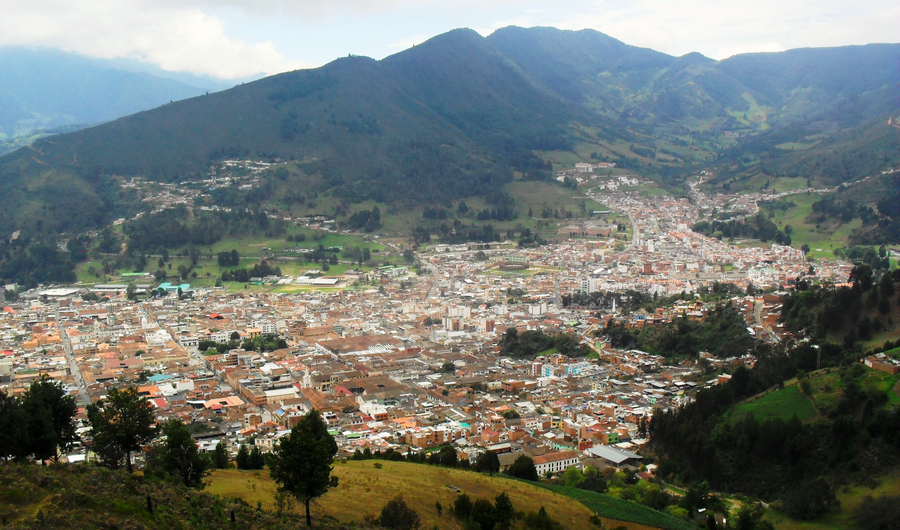 Blick auf Pamplona in der kolumbianischen Ostkordillere.
Photo: EEIM via Wikimedia Commons, CC BY-SA 3.0
Blick auf Pamplona in der kolumbianischen Ostkordillere.
Photo: EEIM via Wikimedia Commons, CC BY-SA 3.0
Pamplona is a good starting point for a trip that can combine historical and cultural discoveries with carefully planned excursions into the Andean surroundings. In Norte de Santander, city history, regional cuisine, and agriculture are as much a part of the place’s character as the Andean landscape. Nature destinations in mountain or páramo-like areas require their own preparation and are not automatically easy family outings.
Quick facts about Pamplona
- Location: Pamplona is located in the Colombian Eastern Cordillera in the department of Norte de Santander.
- Town character: As a “Ciudad Mitrada,” Pamplona refers to its historical religious significance in the region.
- Cultural profile: History, long-standing traditions, regional cuisine, agriculture, education, and tourism shape the city’s publicly described identity.
- Natural setting: The surrounding area includes Andean forests, high-Andean zones, and páramo-like landscapes.
Between city history and Andean landscape
Pamplona’s special appeal lies in the contrast of scales: within the city, the focus is on the town’s historical development, while the surrounding area directs attention to the high elevations of the Andes. The designation “Ciudad Mitrada” makes the city’s religious character visible without reducing Pamplona to individual church events or specific opening hours.
Historic urban structures, religious sites, and cultural institutions form the obvious focus of a city visit. Added to this is a regional identity in which history, religion, education, agriculture, and gastronomy are closely connected.
Nature experiences with realistic planning
The Santurbán-Mutiscua-Pamplona natural area ranges from Andean forests and high-Andean zones to páramo-like landscapes. Typical scenery can include lagoons and frailejones. High-altitude natural areas can also be cold and rainfall-rich. This description refers to the natural setting, not automatically to the weather in Pamplona at any given time of year.
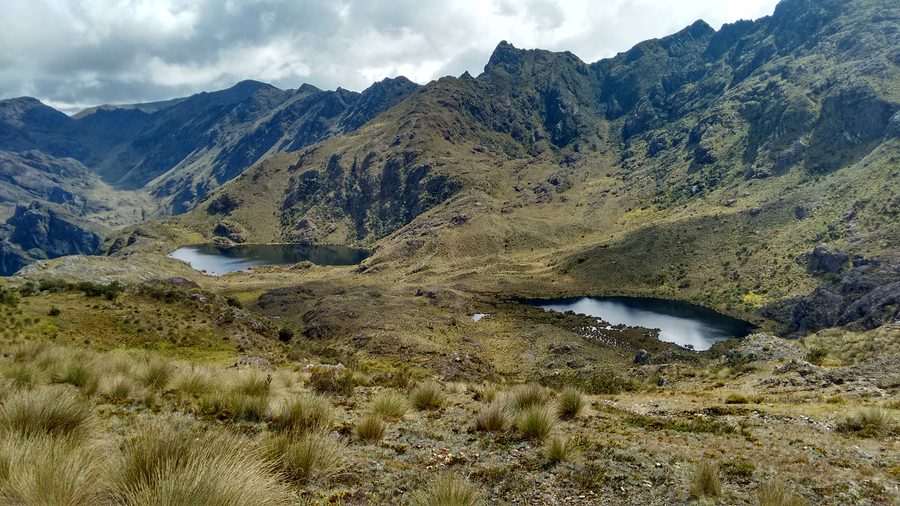
For trip planning, this means: not every nature excursion is automatically an easy family outing. Individual tours in páramo-like surroundings can be physically demanding. It is therefore worth checking the exact route, the conditions in the highlands, and the requirements that are realistic for your family in advance. That way, Pamplona remains flexible: one day can be shaped by culture, another more strongly by the landscape.
Which base suits your travel style?
The key accommodation decision is less about ranking than about the main focus of your trip. If historic places, cultural institutions, city atmosphere, and regional gastronomy are at the center, a base close to the city is generally a sensible choice. It supports access to urban offerings, without allowing any conclusions about specific walking times or a particular accommodation standard.
Anyone who mainly wants to experience mountain or páramo-like landscapes should check the location of the holiday apartment in relation to the planned excursions and their own mobility. Accommodation outside the town center is not automatically closer to a nature destination. What matters is how you organize onward travel and whether you plan to spend most of your stay in the city or regularly in the surrounding area.
For families with different interests, the mix of culture and nature can be especially appealing. City history, local impressions, and gastronomy offer an alternative to a purely outdoor program. With changing daily plans, you should check the actual facilities and location of the selected holiday apartment before booking, without assuming specific features such as a kitchen, parking, or special family amenities.
Arrival and mobility on site
Pamplona is connected by road to several important cities in the region and the country. However, current travel times, prices, or timetables cannot be derived from that. For your stay, the main distinction is between the city area and the natural surroundings: the historic city center can generally be explored on foot, while nature areas outside the city may require additional mobility planning.
So plan not only your arrival, but also the sequence of your days. A cultural city stay and a nature excursion place different demands on mobility, weather flexibility, and physical stamina. This consideration helps you choose a holiday apartment not just by place name, but by the daily rhythm you want.
Further orientation
If you would like to compare other places in the same region alongside Pamplona, you will find the broader regional starting point under Norte De Santander. Pamplona remains the specific choice for travelers who want to combine Andean city history, regional culture, and possible nature excursions.
Frequently asked questions about Pamplona
What makes Pamplona special as a travel destination?
Pamplona is a high-altitude Andean city with historical and religious roots as well as a distinct regional cultural character. History, traditions, gastronomy, and agriculture are among the themes that define the city.
Can a stay in Pamplona be combined with nature experiences?
Yes. The surrounding region is associated with Andean and páramo-like landscapes. However, specific tours differ significantly in terms of mobility requirements, cold conditions, and physical demand. The route should therefore be checked in advance.
Which accommodation location is more suitable for Pamplona?
For culture, historic places, and gastronomy, staying close to the city center is generally the best choice. If nature days are the priority, you should check the mobility needed to reach the respective destinations and the location of the holiday apartment in relation to your planned trip.


