
Accommodation in Colombia
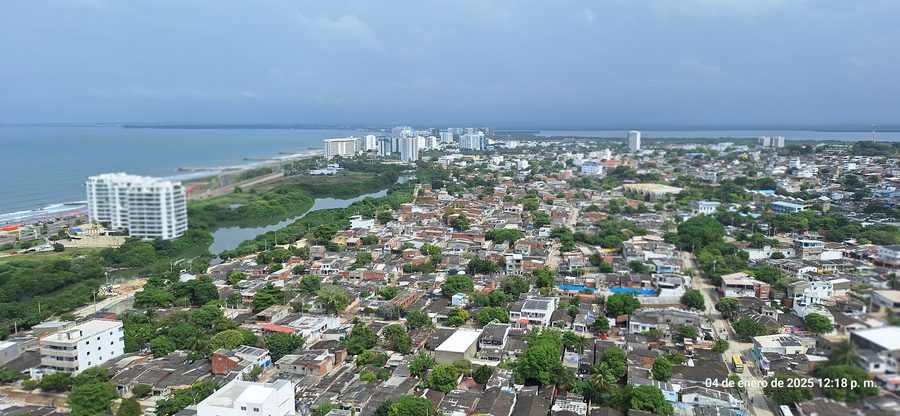 Cartagena de Indias zeigt die karibische Küsten- und Stadtseite Kolumbiens.
Photo: Orzalaga via Source, CC BY-SA 4.0
Cartagena de Indias zeigt die karibische Küsten- und Stadtseite Kolumbiens.
Photo: Orzalaga via Source, CC BY-SA 4.0
Colombia is especially worthwhile if, for a family trip, you are looking for not just one place but a whole mix of different travel moods. Between Andean cities, the Caribbean coast, the coffee region, and vast natural landscapes, the choice of base is what mainly determines whether the days feel calm, varied, or more demanding logistically.
That is exactly why this page helps not only with understanding the country, but also with the practical accommodation question: Where does a city base make sense for arrival and culture, where is a landscape-focused base better for more peace and quiet, and where does a coastal or island address work best for beach time and shorter distances?
Quick facts about Colombia
- Colombia has several clearly distinct major regions, including the Caribbean, islands, the Pacific, the Andes, Orinoquía, and the Amazon.
- Bogotá, as the capital, is an obvious place for culture and arrival.
- For a first round trip, Bogotá, the coffee region, Medellín, and Cartagena are often combined.
- The Caribbean and the islands are separate bases in Colombia for beaches, history, and an island atmosphere.
For an initial overview, you can read Colombia most easily through its different travel worlds. Bogotá and Antioquia stand for the city and a classic round-trip stop, Quindío for the coffee region, Bolívar and Magdalena for the Caribbean coast, San Andrés and Providencia for the island feeling, and La Guajira for a deliberately independent coastal and landscape choice.
If you want to combine several experiences with as little moving around as possible, Bogotá and Antioquia are strong city bases. For slower travel with a landscape focus, Quindío is a good fit; there, quieter days can be combined with excursions more easily. If you are looking more for active days and landscapes than for city stays, Santander and Tolima offer two clearly different, movement-oriented options.
The Caribbean and the islands
If you are looking for sea, warmth, and a clearer coastal or island atmosphere, start by comparing Bolívar, Magdalena, and San Andrés and Providencia. La Guajira is more of a deliberately chosen specialist base than the obvious standard choice for a first trip to Colombia.
The practical difference for accommodation is simple: the coast and the islands work best when water, beaches, and excursions shape the day; an Andean base is very different in that respect.
Coffee region, city, and easy-to-plan excursions
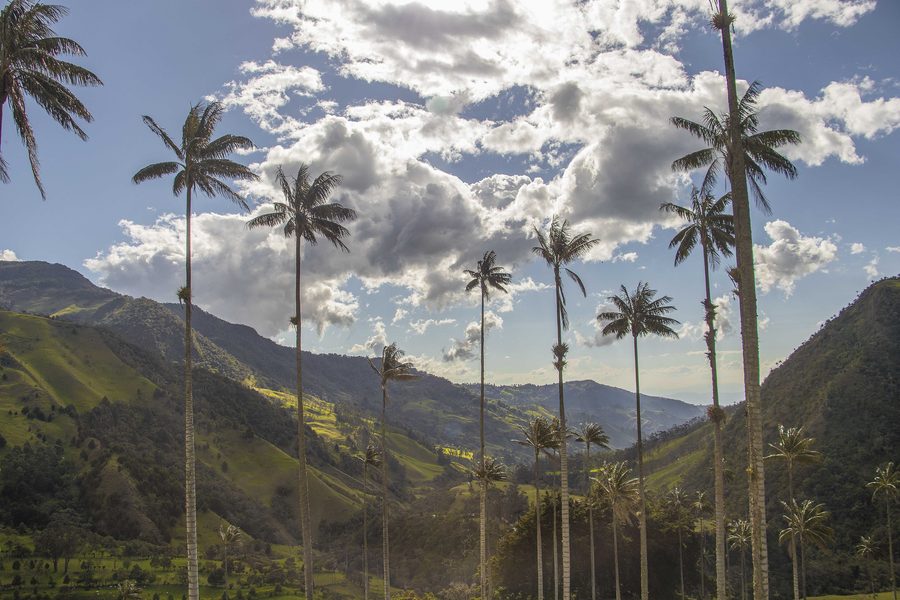
The coffee region is especially interesting for families because it can combine landscapes and quieter days with excursions. Quindío represents a slower travel pace here, while Antioquia and Bogotá remain the more classic city bases.
For families in particular, this route is often practical if you do not want to change accommodation every day but still want several experiences within reach.
Nature, long-distance travel, and other regions
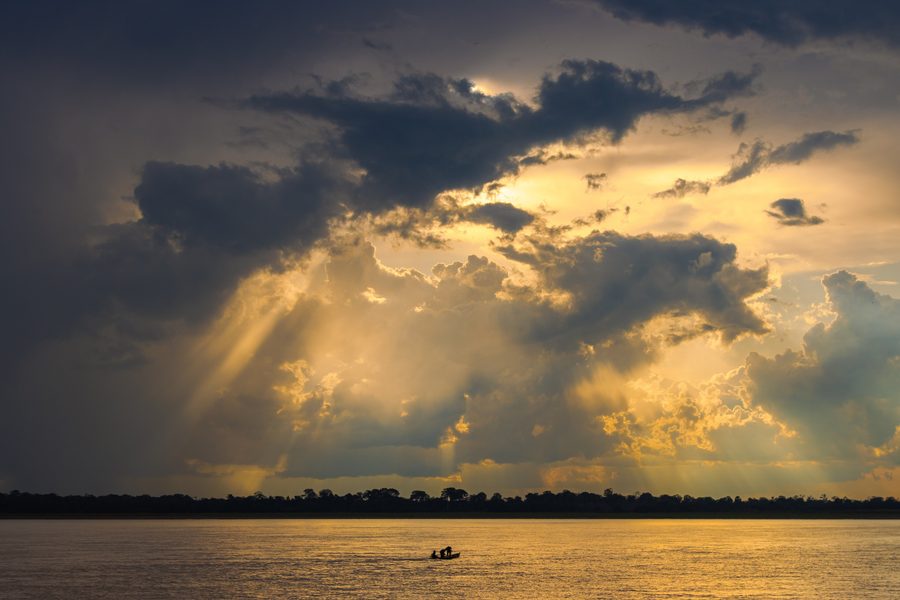
Colombia also works well for nature and adventure routes that require more planning, especially where the Amazon, Orinoquía, or other more remote areas are involved. Such destinations usually call for a more defined base than a city stay.
For the remaining options in Colombia, you will find the other regions here:
Frequently asked questions about Colombia
Which region is suitable for a first trip to Colombia with children?
For an introduction, Bogotá, the coffee region, Medellín, and Cartagena are often combined. That way you connect city, culture, landscape, and the Caribbean without fragmenting the trip unnecessarily.
Which areas are better suited to nature and adventure travel?
The Amazon, the Llanos, the coast, and the desert regions in Colombia are more about intensive nature and landscape travel. There, planning usually needs more breathing room than on a purely urban route.
What makes the coffee region interesting as a base?
Quindío stands for landscapes and excursions. The region is a good fit if you want slower days and a central base.
Why is the Caribbean coast a different choice from the Andes?
The Caribbean and the islands offer beach, history, and island atmosphere, while the Andes combine cities, culture, coffee, and mountain scenery. That usually leads to different accommodation decisions.


