
Holiday apartment in Provincia Chiloé
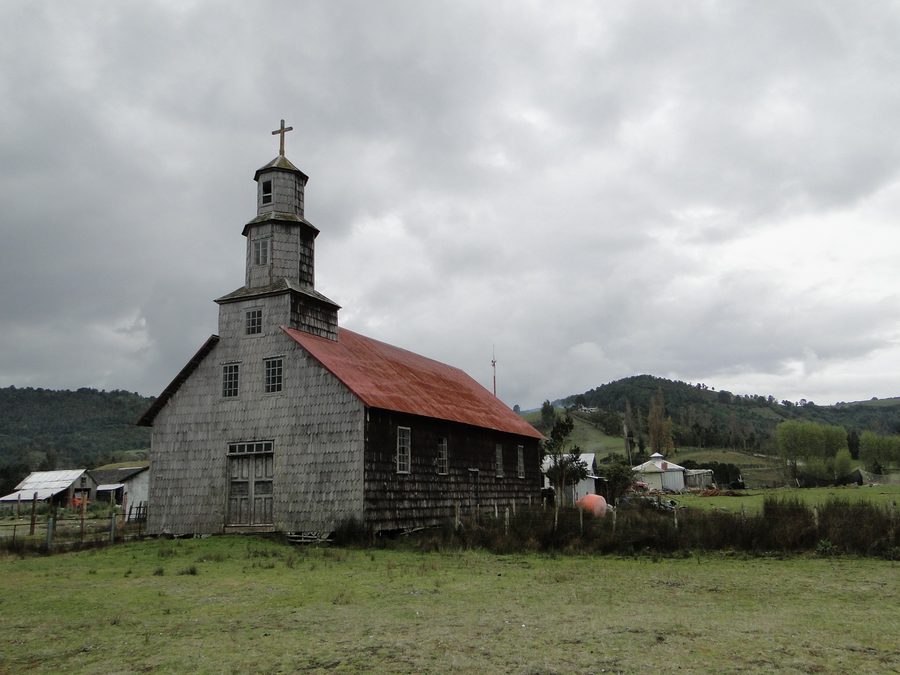 Die Iglesia Chullec auf Quinchao gehört zum charakteristischen Holzkirchen-Erbe Chiloés.
Photo: Elvis Boaventura via Wikimedia Commons, CC BY 3.0
Die Iglesia Chullec auf Quinchao gehört zum charakteristischen Holzkirchen-Erbe Chiloés.
Photo: Elvis Boaventura via Wikimedia Commons, CC BY 3.0
Chiloé is not a single holiday resort, but a distinct island region in southern Chile: myths and time-honoured traditions meet coasts, bays, forests and numerous smaller islands. Anyone looking here for a holiday apartment or holiday home is therefore deciding not only on accommodation, but also on how the trip is to be shaped between culture, nature and island routes.
Quick facts about Provincia Chiloé
- Island region: Chiloé comprises a main island and numerous smaller islands in the archipelago.
- Culture: Historic wooden churches are among the region’s defining cultural heritage.
- Townscape: Colourful stilt houses and historic wooden buildings shape the visible cultural motifs.
- Cuisine: Curanto combines seafood, meat and vegetables in a traditional dish.
- Nature: Forests, bays, rivers, lakes and wetlands offer a wide range of landscape impressions.
Island culture that can be discovered together
Among the most vivid cultural impressions of Chiloé are the historic wooden churches. They make the island’s distinctive building tradition visible and give sightseeing a clear thread. The colourful stilt houses on the coast also show how closely settlements and waterscapes are connected.
Myths and time-honoured island traditions add to this visible heritage. For families, this creates a trip in which no two days have to look the same: sightseeing can be followed by nature experiences and shared discoveries. As a culinary anchor, Curanto is a good choice, a traditional dish in which seafood, meat and vegetables are cooked together.
Stilt houses and coastal scenes
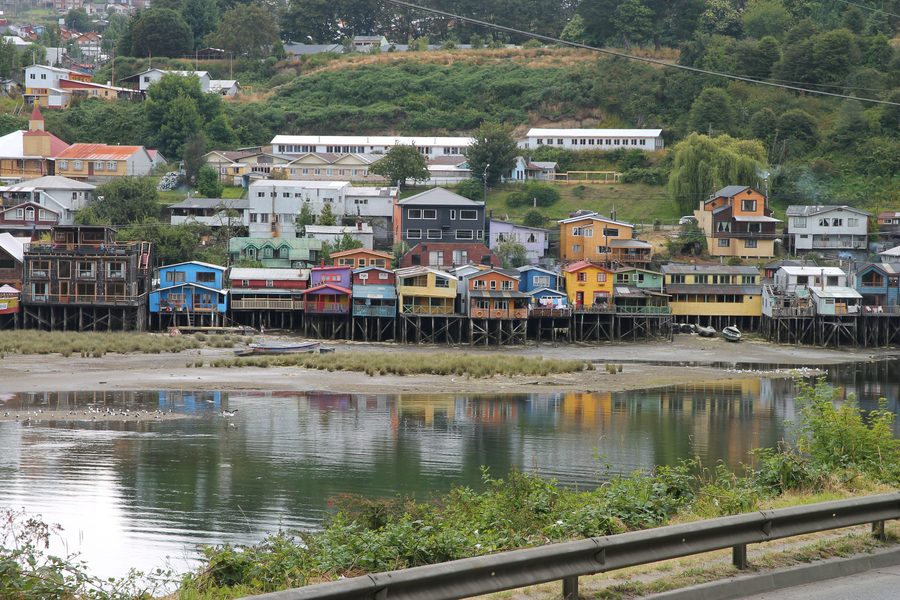
The Palafitos of Castro are among Chiloé’s defining motifs. The colourful wooden houses on the water illustrate the region’s coastal settlement pattern and make the difference from an ordinary city break immediately tangible.
If you want the trip’s cultural focus to be on wooden churches, traditional buildings and regional cuisine, you should choose the holiday apartment so that these sightseeing stops fit into your daily planning. Which base is right depends on which experience region and how many changes of location suit your travel plans.
Nature among islands, bays and wetlands
Chiloé’s landscape ranges from forests and bays to rivers, lakes and wetlands. This means tranquil landscape impressions can be combined with activities such as birdwatching, kayaking, horse riding or trekking. These options are to be understood as general elements of Chiloé’s natural side, not as a promise of specific availability.
For a nature-oriented trip, accommodation should be chosen according to the desired natural area and the routes required to reach it. If you want to give culture and enjoyment greater weight instead, plan your base with the intended sightseeing stops in mind. In this way, choosing accommodation becomes part of shaping the trip rather than an isolated search for a place to sleep.
One or several bases on Chiloé?
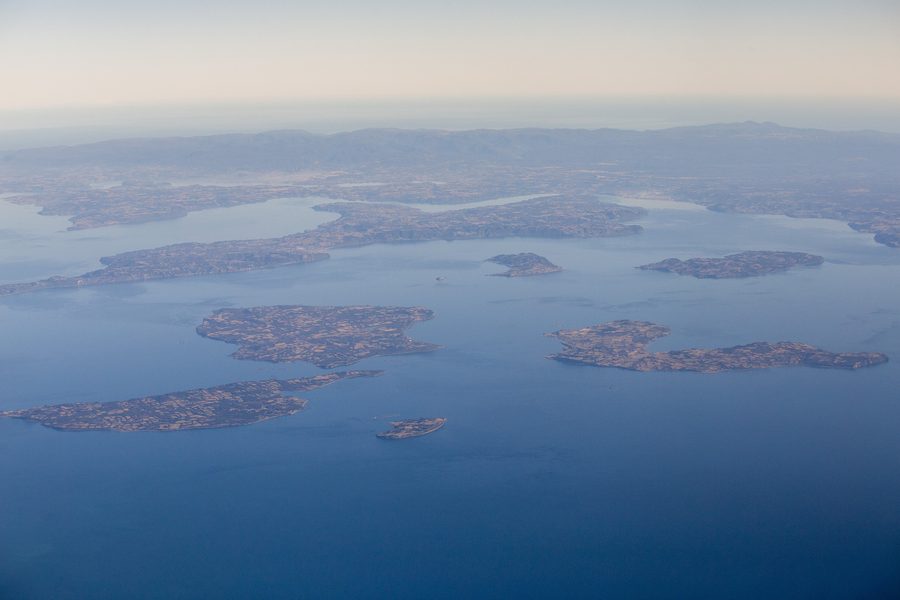
The spatial structure of the archipelago is important for route planning. In addition to the main island, numerous smaller islands belong to Chiloé, and many settlements lie on coasts and bays. Depending on the route, arrival is by water connection or by air. The holiday apartment should therefore match the planned sequence of experiences and the desired number of location changes.
A single base can make sense if the trip is meant to involve as few accommodation changes as possible and the planned experiences are located in a well-suited region. For a route across several islands or experience areas, a split plan may be more appropriate. For planning, your desired sequence, arrival and number of location changes are therefore what matter; the choice should not be based solely on an allegedly central town.
Ancud, Castro, Chonchi and Quellón are mentioned as starting points for land and water-based exploration. These names help with initial orientation, but they do not replace coordination of route, arrival and desired daily programmes. For accommodation searches in Provincia Chiloé, the following additional places are also available:
More places in Provincia Chiloé
Ancud, Castro, Chonchi, Dalcahue, Puqueldón, Queilén, Quellón, Quemchi and Quinchao.
The right accommodation strategy for your trip
For choosing a holiday apartment or holiday home, three questions are especially helpful: Do you want to experience Chiloé as a trip with a fixed base or as a route with several stops? Should the focus be on wooden churches, stilt houses and Curanto, or on forests, bays, wetlands and outdoor experiences? And does the planned accommodation fit the arrival and island routes of your trip?
Anyone who clarifies these points before searching can narrow down the choice of location more effectively without making unsupported judgments about individual places. For classification within the wider region, the way leads back to Los Lagos Region.
Frequently asked questions about Provincia Chiloé
What makes Chiloé special as a travel destination?
Chiloé combines the landscape of a distinct island region with its own myths, traditions and striking cultural motifs. The region is therefore well suited to trips that combine nature and cultural discovery.
Which cultural impressions are part of a stay in Chiloé?
Historic wooden churches, colourful stilt houses and traditional cuisine such as Curanto provide concrete cultural anchors for travel planning.
How should accommodation in Chiloé be chosen?
The base should match the planned experience region and the desired number of location changes, because the archipelago is spread out spatially and, depending on the route, water connections or a flight may be part of the journey.


