
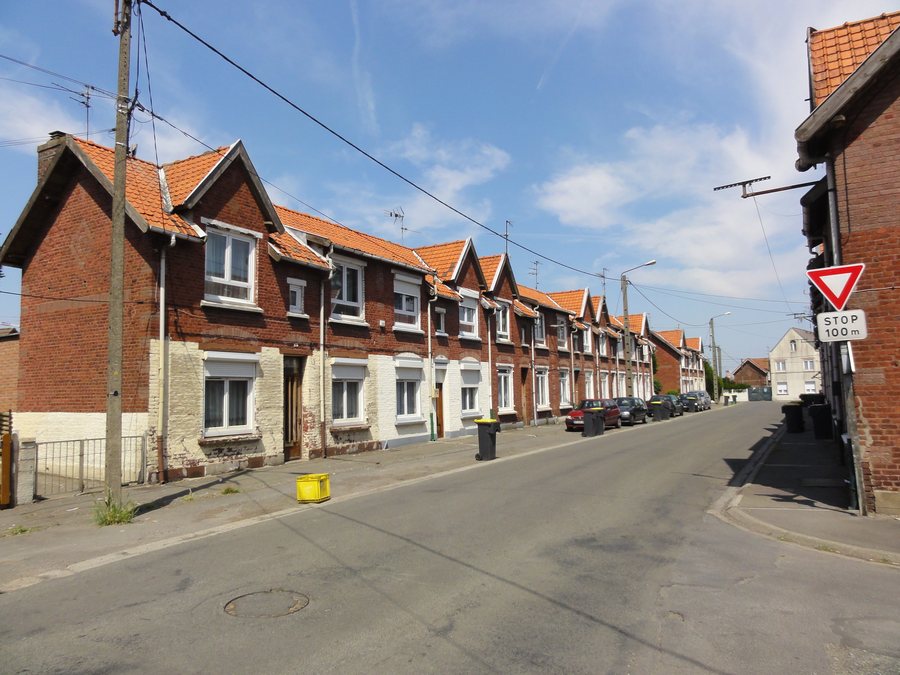
Anyone considering Liévin as a travel destination may wish to rent a holiday apartment there.
Culture and history
The Chevalement n°3 bis is the last surviving relic of Fosse n°3 of the Société de Lens and dates from 1922. It is listed as a historic monument.
The Jardin public Jules Bédart is located on the former grounds of the château built in 1742 by the Ariono de Romblay family and covers 3.21 hectares. The garden contains a pond, archaeological remains, a kiosk, and notable trees and plants.
Nature and open spaces
Pinchonvalles has been protected by a prefectural biotope protection order since 1982 and serves as a refuge for wildlife. The site is a remnant of the mining history and part of the UNESCO World Heritage Site. Visitors can discover rich, wooded habitats and paths where hedgehogs, squirrels, and weasels are often found.
The Bois de Riaumont is a wooded area suitable for walking. The Val de Souchez – Espace Guy-Dheruelle is a 20-hectare leisure facility for nature sports, recreation, and outdoor activities.
Leisure and recreation
Nauticaa has a 25-metre pool, a pool with invigorating water features, a leisure pool, a 70-metre slide, and a paddling pool. Nauticaa also offers balneotherapy, a sauna, a hammam, and a fitness area.
Geographical location
Liévin is served by regular bus routes operated by the Tadao network, providing travel within the city and throughout the surrounding area. On the EuroVelo 5 – Via Romea Francigena, a 19-kilometre route runs from the UNESCO World Heritage-listed mining basin to Parc d’Olhain.

.JPG)