
The Chapel of Saint John the Baptist also bears witness to Fuilla’s long history: it was first mentioned in 1198. The chapel houses the 14th-century marble sarcophagus of Jaubert de Fuilla, which was classified as a historic monument in 1903.
Those choosing Fuilla as a travel destination may wish to rent a holiday apartment.
Nature
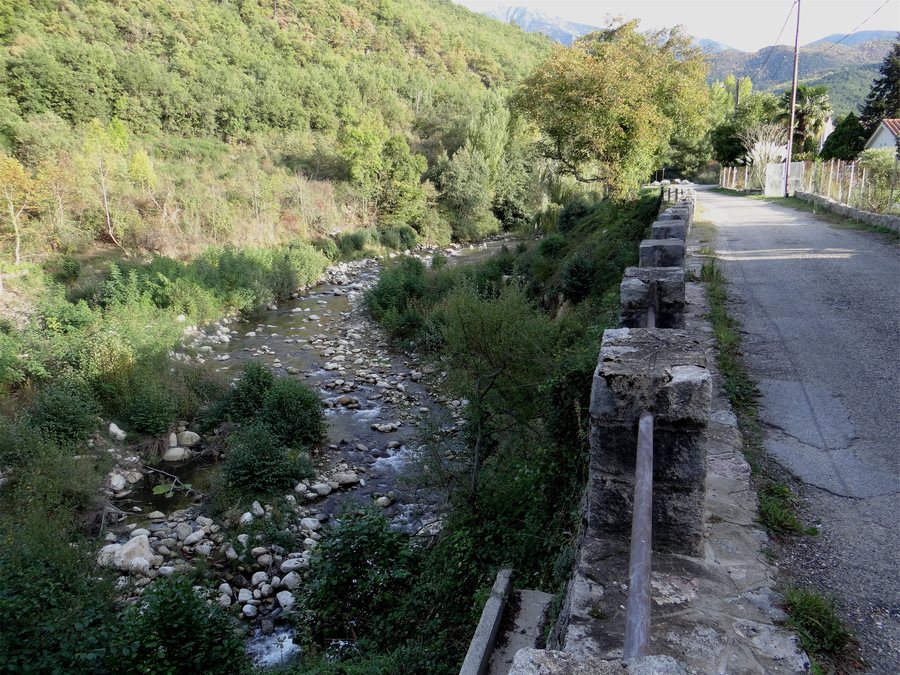
Fuilla is one of the 66 municipalities in the Parc Naturel Régional des Pyrénées Catalanes. The village is located in the Apple Valley, through which the La Rotja River flows.
Events
The Festival musique et nature de la vallée de la Rotja takes place every year during the first week of August. The festival includes concerts as well as workshops on nature and culture, with local producers taking part.
Local Products
Mas Guiter produces cheese and dairy products directly on the farm.
Leisure and Accommodation
Le Rotja campsite has a swimming pool with a paddling pool. The campsite also offers a playground, table tennis tables, and a library.
The Fuilla area includes hundreds of kilometres of paths and trails.
Other places in the directory: Ayguatébia-Talau, Saint-Estève, Collioure, Calce, Font-Romeu-Odeillo-Via, Cabestany, Espira-De-L'agly, Montalba-Le-Château.

