
Adalar: Island Culture, Architectural History and Coastal Towns
Accommodation in Adalar
Across the wider island area of Adalar, historic architecture, museums, coastlines and picnic spots come together. The Adalar district consists of nine islands. Büyükada, Burgazada and Heybeliada offer examples of architectural history, literature and coastal experiences. When choosing a holiday apartment, it helps to decide first which of these themes you want to shape your stay: the attractions are spread across several islands.
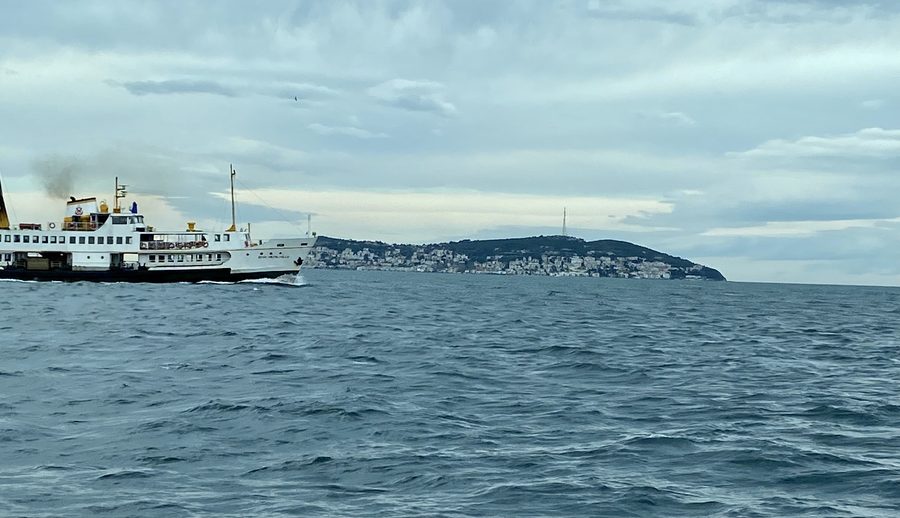 Die Princes' Islands bilden Adalars Inselgruppe vor Istanbul.
Photo: Kadı Kadı via Wikimedia Commons, CC BY 2.0
Getting there and getting around the islands
Regular ferries serve Büyükada, Kınalıada, Burgazada and Heybeliada from Istanbul’s European and Asian shores. Check the timetable when planning your trip. On the islands of Adalar, you can get around on foot or by bicycle. Motorboats to Aya-Nikola Public Beach on Büyükada run from the pier next to the Mavi-Marmara pier. The approximate journey time is one hour on foot and about 30 minutes by bicycle—two different time estimates for planning the same route.
The coastal spots each have their own character, too. On Büyükada, Aya-Nikola Public Beach is described as one of the cleanest beaches on the island; it is also almost wave-free.
Architectural history and museums
On the islands of Adalar, monasteries, churches and mansions offer insights into the lives of earlier residents. Architecture from different periods has been preserved to this day. On Büyükada, the range includes religious buildings, historic structures and a distinctive pier. Hamidiye Mosque was built on the orders of Abdülhamid II and opened for worship in 1895. The two-storey building is made of dressed Küfeki stone; blue, dark blue and yellow paintings adorn its walls and window reveals. The local community describes it as the most architecturally remarkable of the five mosques on Büyükada.
The architectural history of the Greek Orphanage on İsa Tepesi is also unusual. A French company built the building in 1898 as a hotel, under the chairmanship of Count Moris Bostari; state approval to operate it as a hotel was not granted. The Greek Orphanage began operating there in 1902. At 102.5 metres long and 25 to 35 metres wide, its dimensions give an idea of the building’s scale.
Taş Mektep on Kadıyoran Caddesi was built on Büyükada in the second half of the 19th century by Sofronios, the Greek Orthodox patriarch at the time. The building has been preserved as a cultural property worthy of protection and opened for public use. Its facilities include an exhibition hall, a book café, a workshop and event spaces. If you are planning a visit, check the current opening hours.
Büyükada Vapur İskelesi is also part of the island’s architectural history. It was built in 1914 to designs by architect Mihran Azaryan and is considered an example of Ottoman neoclassical architecture. The Aya Yorgi Church and Aya Yorgi Monastery stand on the island’s highest hill. According to historical accounts, the Greek Orthodox monastery was built in 963, during the reign of Byzantine Emperor Nikephoros Phokas. On Büyükada’s eastern shore, Ayios Nikolaos Monastery lies opposite Sedefadası; the area corresponds to the Byzantine settlement of Karya, also known as Karyes.
On Burgazada, literary history is linked to the Sait Faik Abasıyanık Museum. The writer’s home was converted into a museum by the Darüşşafaka Society and opened to those interested in literature. It opened on 22 August 1959 with objects and documents from Sait Faik’s life. The museum closed in 2009 for restoration work and reopened on 11 May 2013. Check the current visitor arrangements before planning a specific visit. The Adalar Museum collection consists mainly of everyday objects, oral history records, archival documents, videos, photographs, and details of architectural and urban life.
Coastal spots and picnic areas
Dilburnu lies on the western side of Büyükada. The headland is 500 metres long and 100 metres wide; Nizam Bay lies to the north, while Yörükali Bay, with its beach and facilities, is to the south. Picnic tables are set among the pine trees.
On Heybeliada, Değirmenburnu is a beach and picnic spot whose beach is sheltered from northerly winds. Çamlimanı resembles a natural harbour and is also one of the island’s picnic areas. Büyükada, Heybeliada, Burgazada and Kınalıada have sandy beaches, rocky coastal stretches, and bathing platforms made of wood or concrete that extend into the water. When choosing where to stay, you can weigh these differences against the historical and cultural attractions: architectural history and the beaches described here can be found on Büyükada, coastal and picnic spots also on Heybeliada, and literary history on Burgazada.
Discover more destinations: Meşrutiyet Köyü, Şişli, Tayakadın Köyü, Kumköy, Karacaköy, Elbasan, Ağva Merkez, Yolçatı.
For the main travel overview: Istanbul.

