
Discover Turkey
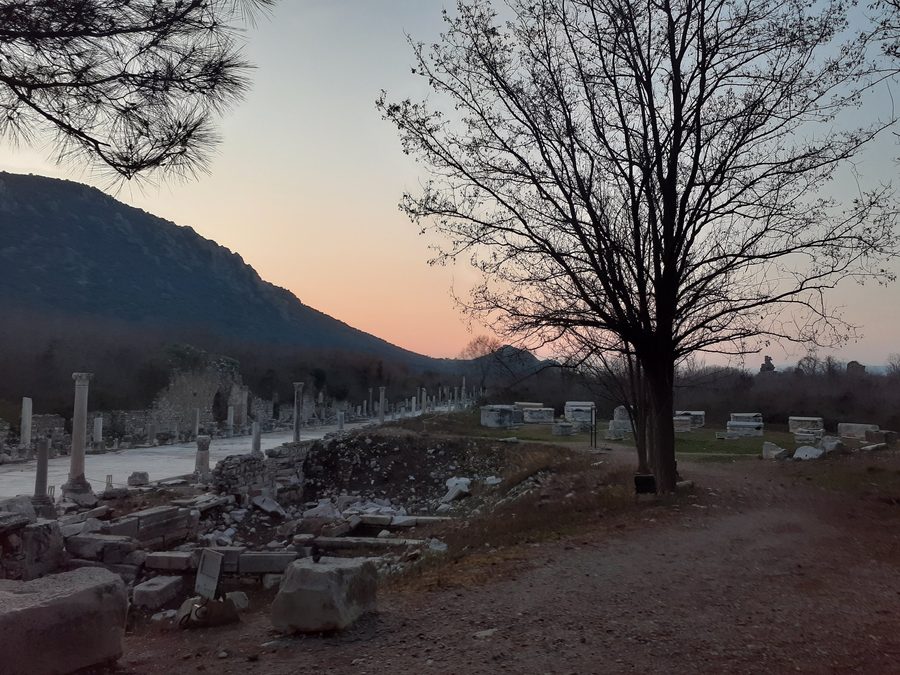 Ruinen von Ephesos in der türkischen Ägäis.
Photo: Furkan Akkurt via Wikimedia Commons, CC BY-SA 4.0
Ruinen von Ephesos in der türkischen Ägäis.
Photo: Furkan Akkurt via Wikimedia Commons, CC BY-SA 4.0
Turkey is more than a destination for single beach days: it combines several coastal regions with the very different landscapes of Anatolia. This diversity is especially clear in the Aegean, where bays and beaches meet ancient sites, olive groves, and pine forests. A family trip can therefore become a varied sequence of sea, culture, and nature — or a stay with a clear focus.
Quick & useful
- Turkey is geographically divided into seven major regions — a helpful guide when choosing between coast, city, and inland areas.
- Four regions are named after the adjoining sea: the Aegean, the Black Sea, the Mediterranean, and the Sea of Marmara.
- The Marmara region includes Istanbul and the European part of Turkey, making it a distinct urban travel component.
- The Aegean coast combines bays, turquoise water, and beaches with a gently rolling green landscape.
- Ephesus, Pergamon, and Priene represent historic sites that add culture and history to a coastal stay.
- Olive groves, pine forests, and hiking trails also shape parts of the Aegean landscape away from the coast.
Why Turkey is an interesting destination for a varied trip
The country’s geographic structure allows for very different kinds of travel: a coastal region can take center stage, Istanbul can be planned as a separate city break, and the Anatolian regions keep the focus open beyond the seashores. This variety is especially appealing for families with different ages and interests, because active discovery and quieter days do not necessarily require the same destination.
The Aegean connects coast and hinterland in a particularly vivid way. Landscapes with bays, ancient sites, olive groves, and pine forests can be combined in the imagination with beach days, history, and walks or hikes. If sea, historic places, and nature experiences are all important, the Aegean is a logical focal point.
The Aegean: coast, ancient sites, and green landscapes
The Turkish Aegean is a fitting centerpiece for a travel plan that does not want to choose between beach and culture. Bays and beaches set the framework for days by the sea; Ephesus, Pergamon, and Priene bring historic places into the itinerary. Olive groves, pine forests, and hiking trails open up another side of the landscape at the same time. For families, this can create a rhythm of shared discovery days and easier stays by the water.
A base in the Aegean therefore suits a travel plan in which coast, history, and landscape excursions belong together. The exact location should be chosen according to which of these experiences should take priority.
Istanbul and Marmara as a separate part of the trip
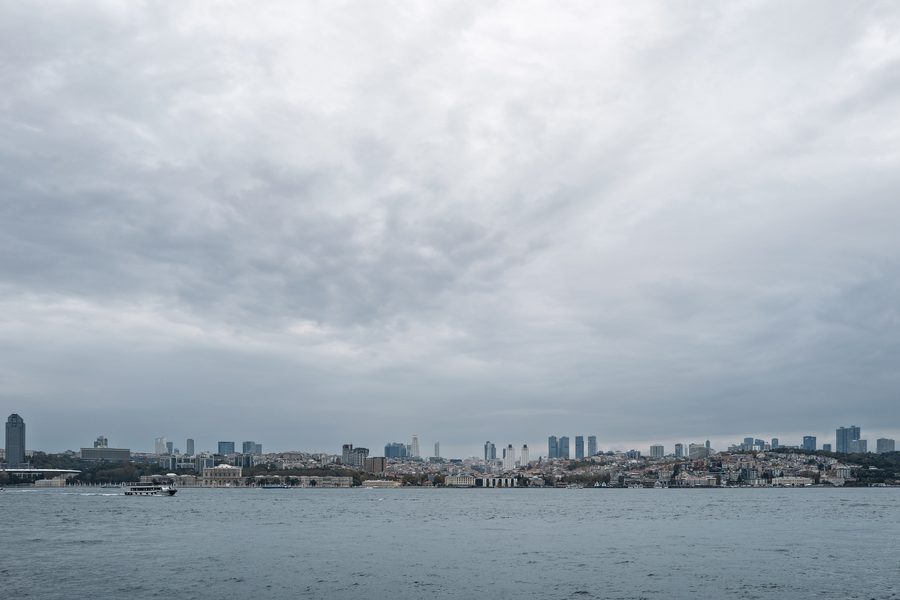
Istanbul belongs to the Marmara region, which also includes the European part of Turkey. This gives the city a different travel character from a stay on the Aegean coast. Travelers who want culture and the atmosphere of a big city as their main focus can plan Istanbul as an independent section; those mainly seeking coast and landscape should separate this city stage conceptually.
Other regions at a glance
The Turkish Aegean combines coastal scenery, ancient sites, and green areas inland. The Turkish Riviera belongs to the same broader geographic framework as a Mediterranean coastal option.
The Marmara region includes Istanbul and the European part of the country. The Black Sea coast of Turkey is named after the adjoining sea. Anatolia refers in the geographical division to several inland areas. This keeps coastal and Anatolian regions visible as different geographic perspectives.
Combining travel stages sensibly
The choice of location is best based on the experience that is meant to define the stay. A base in the Aegean fits a plan of coast, historic sites, and landscape; a city base in Marmara suits an independent Istanbul focus. Anyone wishing to combine both travel ideas may want to consider multiple stops rather than treating the Aegean and Istanbul as the same trip segment.
Frequently asked questions about traveling in Turkey
Which regions of Turkey suit a trip with coast, city, and different landscapes?
The geographic division includes coastal areas on the Aegean, Black, and Mediterranean seas, as well as on the Sea of Marmara, plus several Anatolian regions. Istanbul in Marmara can serve as a separate city stage alongside a coastal stay.
What makes the Turkish Aegean special for a mixed travel plan?
In the Aegean, bays and beaches can be combined with ancient sites such as Ephesus, Pergamon, and Priene, as well as with olive groves, pine forests, and hiking trails. This brings culture, nature, and coast together in one trip segment.
When does Istanbul make sense as a separate part of a trip?
Istanbul is especially suitable as an independent component when you want to experience the urban character of the Marmara region. For a mainly coastal stay, the city can be treated as a separate stage.


