
Fuerteventura
Find accommodation
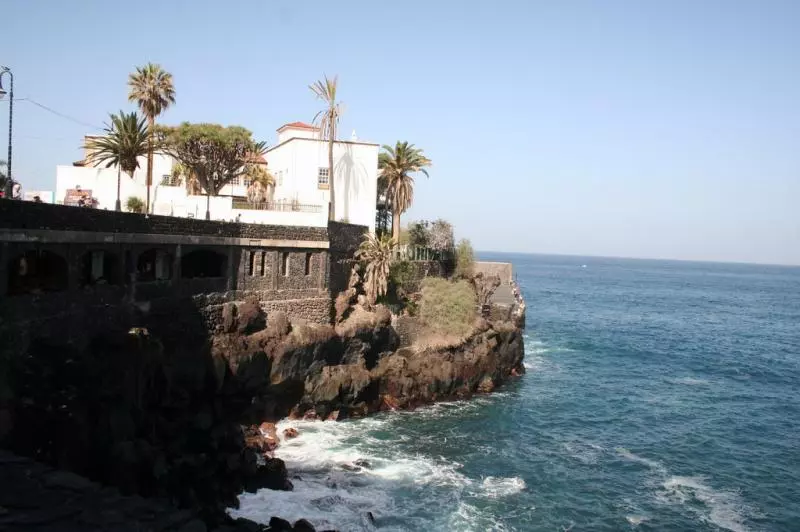 Atlantic coast with palm trees on Fuerteventura
Photo: Dago
Atlantic coast with palm trees on Fuerteventura
Photo: Dago
Fuerteventura at a glance
- Fuerteventura combines long beaches, open landscapes and frequent wind.
- Corralejo and Caleta de Fuste offer many services; the south involves longer transfers.
- Wind direction, waves and the exact access route matter for bathing and water sports.
- A car makes it easier to combine dunes, coves and smaller places.
- Compare wind protection, shade, parking and nearby shops when choosing accommodation.
- The island looks compact on a map, but north-to-south excursions take time.
Choose the coast
Corralejo in the north combines dunes, beaches, a port and links towards Lobos. El Cotillo is smaller, with coves and open Atlantic views. Caleta de Fuste is relatively central and can simplify the transfer from the airport. Costa Calma, Jandía and Morro Jable in the south offer long beaches and tourist services, but require longer journeys from the north.
Puerto del Rosario is the main administrative and transport centre. The interior is drier and quieter, but generally more dependent on a car. Choose the accommodation by the planned days: beach access, water sports, local restaurants, shopping and evening quiet may all point to different bases.
Wind, bathing and outdoor days
Wind is part of Fuerteventura’s climate and one reason the island attracts water-sports enthusiasts. Conditions vary by coast and weather. Families should compare sheltered bathing places, shade and short routes to shops. Walkers and cyclists should allow for wind direction, water, sun protection and a practical return route.
For dunes and remote beaches, check access and parking before setting out. Do not assume that a property near the coast is protected from wind or close to a suitable swimming area. A pool, terrace and outdoor space are useful only when their actual shelter and rules fit the group.
Season and arrival
The island is used throughout the year, while demand rises during holidays and popular winter periods. Wind remains relevant in every season. Travel times help compare school holidays, events and seasonal services.
The airport is near Puerto del Rosario. A hire car makes north-to-south travel easier; a resort stay may work with transfers and buses. For accommodation on the edge of a town, check the supermarket, pharmacy, parking and final walk with luggage. Arrival and departure guidance covers key handover and the first and last day.
Choose a suitable holiday home
Families benefit from a sheltered setting, kitchen facilities and short routes to supplies. Water-sports travellers should check storage, drying space and access to the relevant coast. Dog owners must confirm permission and local beach rules, especially in heat. Compare vehicle hire, fuel and parking when a remote location is part of the plan.
Check pool rules, wind protection, shade, cleaning, deposit and additional charges. Secure booking guidance and travel preparations help with the comparison. For wider context, compare Spanish sun islands and other island holidays.
Frequently asked questions
Is Fuerteventura windy?
Wind is a regular feature, but strength and direction vary by coast and weather conditions.
Which area suits families?
Places with sheltered coves, shops and short daily routes are usually more practical than open, isolated beaches.
Do I need a car?
A car is very useful for several beaches, dunes and the south. It may be unnecessary for a resort-based stay.
Is the island suitable for dogs?
Some accommodation and beaches may be suitable, but permission, heat protection and local rules must be checked for each location.
