
Beach holidays in the low season
Find accommodation
Quick facts for planning
A low-season beach holiday suits travellers who value space, walking and a slower pace more than guaranteed hot weather. The coast can be rewarding in spring or autumn, but the accommodation and daily plan must also work when the beach is windy or the forecast changes.
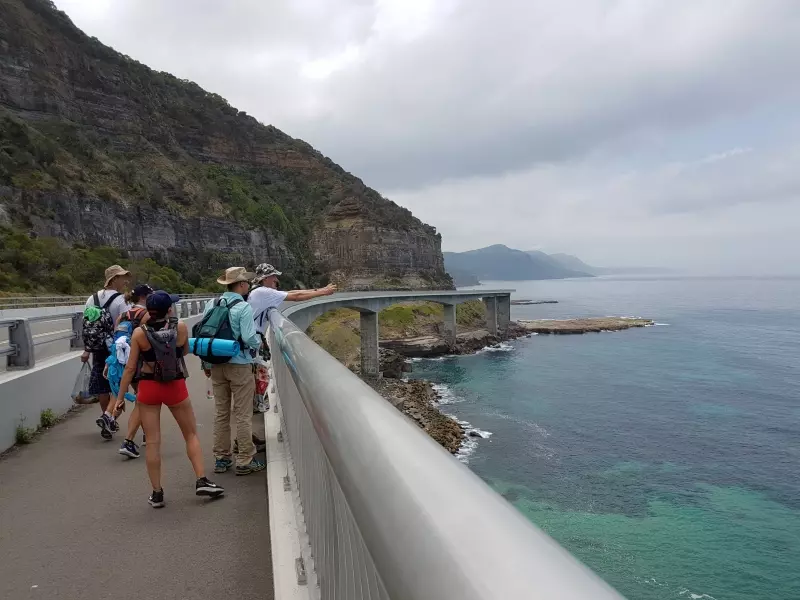 Travelers on a coastal path overlooking the sea and rocks; Neutral off-season image.
Photo: Vitaly Naidion
Travelers on a coastal path overlooking the sea and rocks; Neutral off-season image.
Photo: Vitaly Naidion
- Low season can mean quieter beaches, but weather and water temperatures are less predictable.
- Restaurants, beach services, ferries, buses and attractions may use reduced timetables.
- Shorter daylight makes travel time and the route home more important.
- Heating, a comfortable living room, a kitchen and drying space are useful in changeable weather.
- Lower prices are possible but not guaranteed; compare the complete total cost.
- Flexible plans work better than relying on a full summer programme.
Choose the right coastal break
Decide whether the main aim is walking, cycling, local food, nature or occasional bathing. A lively resort provides more services, while a remote beach may have fewer open shops and transport connections. Check the address, distances and opening times for your dates. A nearby town, museum or indoor pool can make the difference between a relaxed break and long car journeys.
Check what remains open
Before booking, check current information on restaurants, supermarkets, public transport, ferries, attractions and beach facilities. Do not assume that summer opening hours apply outside the main season. Ask the provider about key collection, heating, bedding, energy charges and local contacts. Travel preparations should include rainwear, warmer layers and footwear.
Choose accommodation for changeable weather
Heating, a dry place for coats, a useful kitchen, comfortable seating and a washing machine are often more valuable than a large outdoor area. Confirm whether energy, firewood, cleaning, parking and tourist tax are included. A well-equipped house gives the group more choices when wind or rain changes the programme.
Plan flexible days
Use a weather window for the longest walk or cycle ride and keep shorter local routes for uncertain days. A morning beach walk, local lunch and indoor activity may be more comfortable than trying to repeat a summer timetable. Cycling by the coast can work well outside peak season, but wind, rain and daylight still need to be considered.
Compare price and booking conditions
Check the complete price rather than assuming low season is always cheaper. Add cleaning, energy, tourist tax, parking, bedding, pet charges and travel costs. Confirm arrival arrangements in writing, especially when reception hours are reduced.
Questions before booking
Will the weather suit a beach holiday?
No forecast guarantees a particular experience. Choose a destination and accommodation that also work for walks, local visits and indoor days.
Are restaurants and attractions open?
Some are, some are not. Check current dates, reduced timetables and alternatives before travelling.
Is low season always cheaper?
Not necessarily. Compare the complete price, including energy, cleaning, tourist tax, parking and travel.
Can I travel without a car?
Possibly in a connected resort. Check the final route to the house and reduced public-transport services.
