
Accommodation in Uruguay
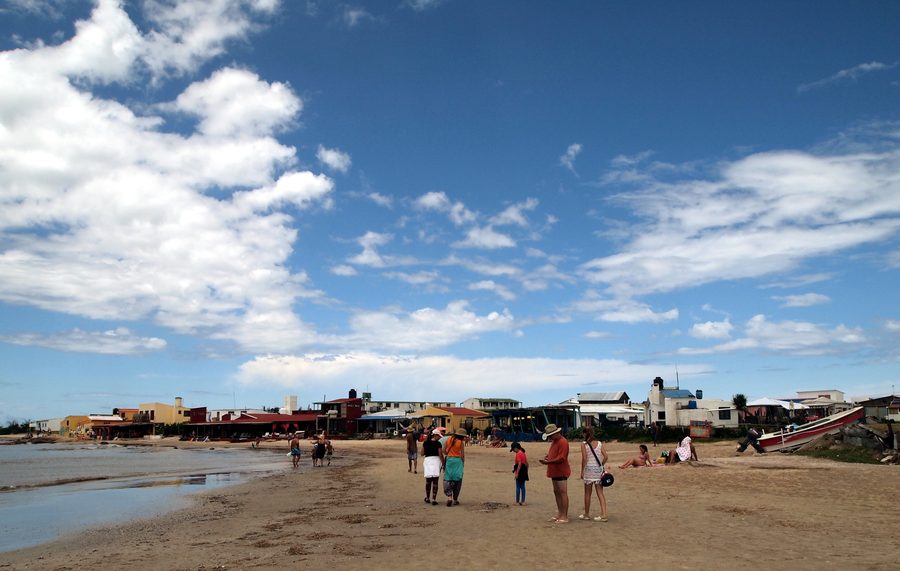 Strandlandschaft bei Cabo Polonio an der Atlantikküste Uruguays.
Photo: Pablo Castañero via Wikimedia Commons, CC BY 3.0
Strandlandschaft bei Cabo Polonio an der Atlantikküste Uruguays.
Photo: Pablo Castañero via Wikimedia Commons, CC BY 3.0
Uruguay offers several different travel experiences in a small area: on the Atlantic coast, dunes and wild beaches meet wildlife watching, while Montevideo combines a waterfront promenade, historic old town, and barbecue culture. Add to that colonial Colonia del Sacramento and rural areas where Gaucho traditions still shape the cultural landscape. For families, it is therefore worth first choosing the desired mix of sea, city, history, and landscape, and only then looking for accommodation.
Short & sweet
- Cabo Polonio: Dunes, wild beaches, and a sea lion colony create a distinctive nature experience on the Atlantic coast.
- Colonia del Sacramento: Cobblestone streets and colonial architecture define the historic old town, which is part of the UNESCO World Heritage.
- Montevideo: Waterfront promenades, Ciudad Vieja, and the Mercado del Puerto stand for city life and barbecue culture on the Río de la Plata.
- Candombe: The music and dance tradition offers a direct connection to Afro-Uruguayan cultural heritage.
- Mate: As a shared everyday ritual, the drink is a vivid part of Uruguayan lifestyle.
- Cuisine: Asado, Chivito, and Dulce de Leche provide concrete culinary impressions for discovering together.
- Tacuarembó: The region is associated with Gaucho tradition and the annually celebrated Patria Grande festival.
- Travel choice: Coast, city, historic places, and rural inland areas stand for clearly different ways of experiencing Uruguay.
Four travel experiences to discover together
Anyone who wants to be outdoors will find a strong contrast to classic city and cultural itineraries on the Atlantic coast. Cabo Polonio stands for dunes, wild beaches, and a sea lion colony. This makes the southeast interesting for families who want to combine wildlife watching and beach days without thinking of the holiday as purely a beach stay. A stay in the coastal region of Rocha fits this focus.
Montevideo brings a different pace to the trip: along the waterfront and in Ciudad Vieja, city walks, history, and culinary impressions can be combined. The Mercado del Puerto is a reference point for Uruguayan barbecue culture. Candombe and Mate broaden the view beyond sights: music, dance, and a shared ritual make local culture understandable even without prior knowledge.

Colonia del Sacramento adds the historical accent. Cobblestone streets and colonial architecture define the UNESCO-protected old town and make it a counterpoint to the coast or a big city. Anyone who enjoys walking through historic districts together can plan Colonia as a cultural highlight or as a stop on a varied trip. You can find the matching regional search under Colonia.
In the interior of the country, the travel picture changes. Central and northern Uruguay are described in travel accounts as a rural, hilly landscape with small and medium-sized towns. Tacuarembó stands for Gaucho tradition and the Patria Grande festival. This appeals to families who, between coastal days and city visits, are also looking for quieter landscape experiences and an insight into regional traditions. For this focus, two separate regional pages lead to Tacuarembó and Tacuarembó in detail.
Which region suits your travel plan?
The coast is the obvious starting point if dunes, beaches, and wildlife watching are to shape the holiday. In the regional search, Rocha as well as Maldonado and San José are available for further orientation. The individual towns and accommodation locations should be selected according to the focus you want.
For city and culture days, Montevideo is a good choice for a deeper look. Those who prefer historic architecture and a more relaxed walk will already find the right anchor point in Colonia in the previous travel idea. Other southwestern regional pages are Canelones and Soriano.
If you want to experience Uruguay through a sequence of different landscape and cultural impressions, you can also extend the search to less well-known inland regions. These include Artigas, Cerro Largo, Departamento De Salto, Paysandú, Río Negro, Rivera, and Salto.
You can also include the central and eastern regional pages in your further planning: Durazno, Entre Ríos, Flores, Florida, Lavalleja, and Treinta Y Tres round out the overview.
Accommodation as part of the travel experience
When searching, the location should match the planned travel experience. A coastal base in the southeast supports a holiday with Atlantic beaches, dunes, and Cabo Polonio. A city location in Montevideo makes sense if the waterfront promenade, Ciudad Vieja, barbecue culture, and Candombe are the main focus. Around Colonia, by contrast, the historic city walk takes center stage. For Tacuarembó and other inland regions, a base is suitable if rural landscape and Gaucho tradition are to be given more space.
Families may also consider whether they prefer to stay in one place or combine different travel experiences. Accommodation with self-catering facilities can be practical for changing daily plans; however, the specific amenities vary depending on the offer. Before booking, therefore, check the exact location and the features that matter to your family.
Frequently asked questions about Uruguay
Which types of trips can be combined in Uruguay?
Coast, city, history, and rural inland areas create different focal points. Cabo Polonio stands for the Atlantic coast and nature, Montevideo for city life and food culture, Colonia for historic architecture, and Tacuarembó for Gaucho tradition.
Which culinary impressions belong to a trip through Uruguay?
Mate conveys a shared everyday ritual. Asado, Chivito, and Dulce de Leche are among the culinary impressions through which the country’s way of life can be especially vividly experienced.
Which area is more suitable for beach, city, or history?
Rocha with Cabo Polonio stands for dunes, wild beaches, and wildlife watching. Montevideo combines the waterfront promenade, old town, and barbecue culture, while Colonia del Sacramento sets the historical focus with cobblestones and colonial architecture.

.jpeg)
