
Accommodation in the Faroe Islands
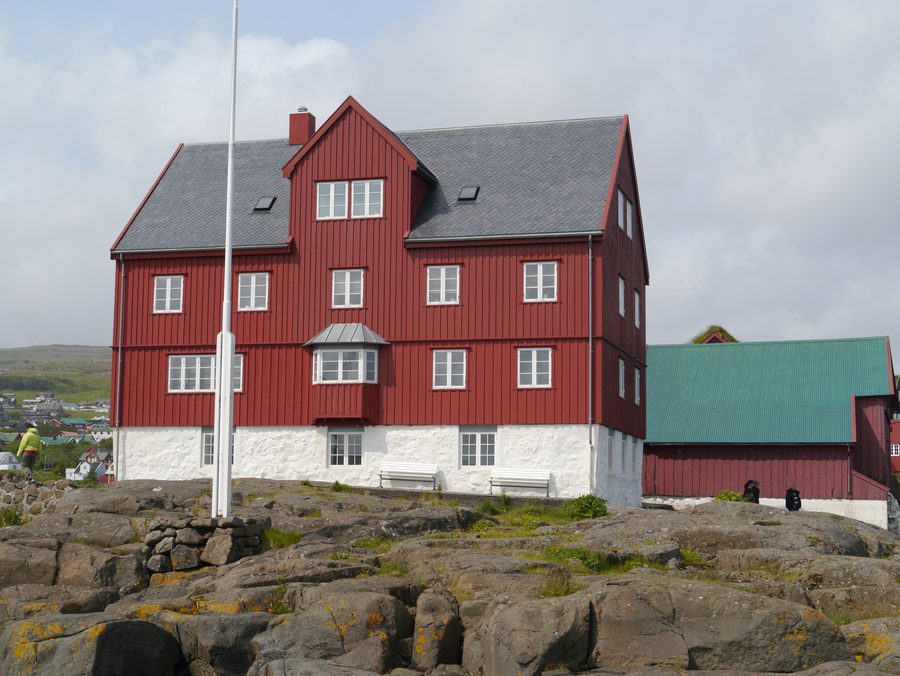 Tinganes, the historic old town of Tórshavn on Streymoy.
Photo: Zairon via Wikimedia Commons, CC BY-SA 4.0
Tinganes, the historic old town of Tórshavn on Streymoy.
Photo: Zairon via Wikimedia Commons, CC BY-SA 4.0
The Faroe Islands are, for families, above all a question of choosing the right island base: the archipelago is small but scattered, and that is precisely why location shapes the daily rhythm more than it does in many other destinations. If you want orientation and a good starting point for several excursions, look first at Streymoy with Tórshavn; if you want more landscape than town, check Vágar or Eysturoy; if you prefer things slower and quieter, look at the southern islands.
Quick facts
- The Faroe Islands are a small North Atlantic archipelago with wild scenery, cosy villages, and a close-knit community.
- The islands are considered surprisingly family-friendly: slow-paced, easy to get around, and full of simple nature experiences.
- Tórshavn on Streymoy is the central point of orientation, with cafés, history, and the pulse of everyday island life.
- Accommodation options range from hotels and hostels to camping, houses, and apartments.
Why the Faroe Islands work so well with children
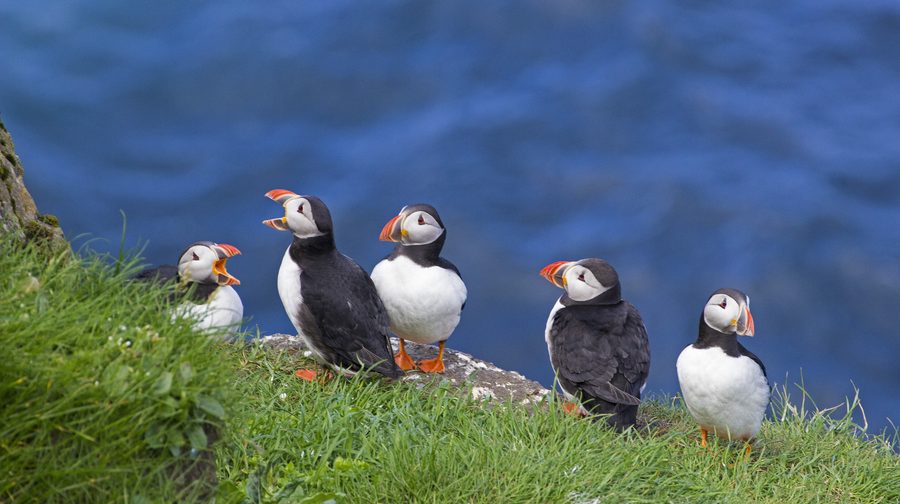
The islands do not feel like a classic resort holiday, but rather like a place for shared little discoveries. Official family tips name easy hikes, ferry rides, indoor pools, playgrounds, puffins, and village walks as suitable experiences. Added to that is an atmosphere often perceived as slow and pleasantly manageable, which takes a lot of pressure off the daily schedule, especially when travelling with children.
Culturally, too, the destination remains approachable: the people are considered warm and welcoming, and everyday life includes traditions, sheep, and even rhubarb jam. It is exactly this mix that helps the Faroe Islands feel not just like a landscape, but like a place where people actually live and travel.
Which island base is best for families
For a quick overview, the Faroe Islands at a glance page helps. After that, the main decision is usually between Streymoy, Vágar, and Eysturoy, because that is where the differences between central, landscape-focused, and quieter become clearest.
Streymoy is the obvious choice for families who want to keep journeys compact and have as many options as possible in one place. Tórshavn brings together the central island everyday life, cafés, historic impressions, and a broad mix of accommodation. It is especially well suited if several excursions are planned and you want an uncomplicated base in the evening.
Vágar suits families who want to experience the islands more through scenery. The official regions describe the island as an area with fjords, waterfalls, and lots of nature. Eysturoy is the more mountainous alternative and appeals especially to readers who appreciate scenic days and a clear natural backdrop. Both islands work well if the pace of travel should be shaped more by the landscape than by urban everyday life.
Quieter and more southerly options
If you prefer to travel more slowly with children and want a quieter island atmosphere, it is worth taking a look at Sandoy, Hvalba, and Trongisvágur. These pages belong to the more southerly reference points of the Faroe Islands and broaden the choice for families who prefer to spend more time in each location.
For the northern and eastern Faroes, Klaksvík and Norðragøta lead into the northern and eastern island areas. Together with the central pages, this creates a useful overview without reducing the islands to a mere directory of search results.
Which type of accommodation relieves families most
The most important difference in the Faroe Islands is often less about the room itself and more about daily life. The official accommodation overview lists hotels, hostels, camping, B&Bs, as well as houses and apartments on many islands; outside the capital, things are usually quieter. For families, self-catering is especially practical when meals, breaks, and luggage should not have to follow a rigid hotel routine.
That is why the basic question here is always also a family question: staying centrally means it is easier to understand the islands as a whole; staying closer to nature means quieter evenings and a stronger connection to the landscape; an apartment or house often means more flexibility for children, changing weather, and shared meals. This is exactly how accommodation becomes part of the travel experience in the Faroe Islands.
Anyone who wants to understand the islands as a whole should start with Streymoy and Tórshavn as an orientation point and then add Vágar, Eysturoy, or the quieter southern islands depending on their travel style. In this way, the accommodation question becomes a simple choice between a central location, a landscape-focused setting, and a more relaxed pace.


.jpg)