
Holiday apartment in Rio Do Fogo
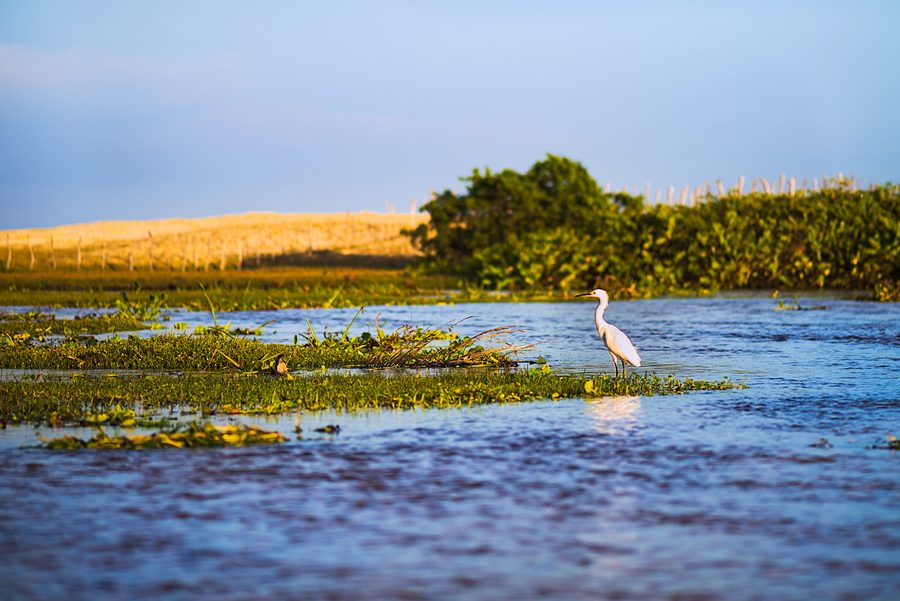 Küstenlandschaft im Umfeld von Rio do Fogo mit naturbelassenem Charakter.
Photo: Ruy Carvalho via Wikimedia Commons, CC BY-SA 4.0
Küstenlandschaft im Umfeld von Rio do Fogo mit naturbelassenem Charakter.
Photo: Ruy Carvalho via Wikimedia Commons, CC BY-SA 4.0
For families who do not want to combine coast and nature with a strongly urban-style holiday, Rio do Fogo is an interesting option to consider. Trusted travel sources describe the place as a comparatively quiet coastal town with a fishing-village character and little urbanization. Beaches, dunes, coconut palms, and the landscape along the Rio Punaú provide the setting for days by the sea, tide-dependent nature experiences, and local discoveries.
Quick facts about Rio do Fogo
Character of the town: Rio do Fogo is described as a nature-focused coastal town with fishing traditions and little urbanization.
Nature experience: The Parrachos de Rio do Fogo, also known as Parrachos de Perobas, are described as coral reefs with natural pools at low tide.
Food: The regional references mentioned include seafood as well as dishes such as peixada and moqueca.
Regional context: Touros and São Miguel do Gostoso appear as other coastal destinations in the area and are more suitable for a cautious style-of-trip classification than for a full comparative assessment.
Coast, dunes, and everyday fishing life
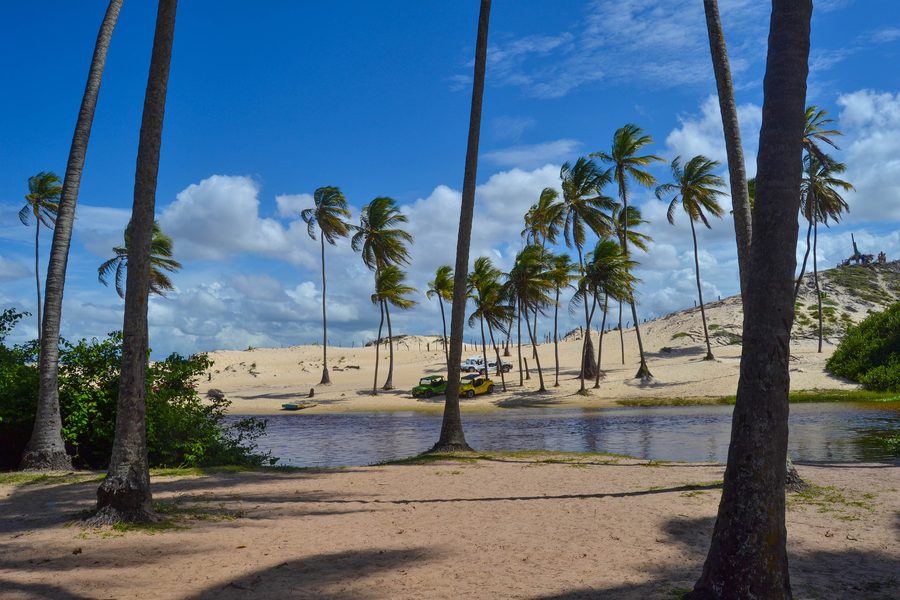
According to the descriptions, the coast of Rio do Fogo combines bright sandy beaches with dunes, coconut palms, and clear coastal waters. The town’s character is shaped by fishing traditions and the everyday life of a coastal community. For families who want to alternate between beach days and quieter insights into regional ways of life, this creates a mix of coastal scenery and cultural impressions.
The coast also takes center stage when it comes to food: the sources mention seafood as well as peixadas and moquecas as regional dishes. A vacation apartment can be a good way to combine flexible meals with restaurant visits if you do not want to plan each day in the same way. Any specific shopping options or certain amenities should always be checked directly with the accommodation.
Parrachos and the Rio Punaú: nature experiences that need planning
A special highlight for a day on the coast is the Parrachos de Rio do Fogo, also called Parrachos de Perobas. They are described as coral reefs where natural pools form at low tide. The experience is therefore tied to the tides. If you plan this excursion, your schedule should remain flexible; you should check the current access conditions and local arrangements in advance. A short transfer or walking distance from accommodation is not documented.
At the Rio Punaú, river and sea meet a landscape of dunes and coconut palms. Possible activities mentioned include buggy rides and kayaking trips. This makes it possible to add a varied nature outing to the classic beach day. Which activities are actually offered and who they are suitable for depends on local conditions and organization.
Which base suits your travel plan?
Rio do Fogo can be classified as a quiet, nature-oriented coastal base. This is especially suitable if coastal and nature days are the main focus and you are looking for a place with little urbanization. If you want to combine several regional destinations, you should look at Touros, São Miguel do Gostoso, and other parts of the region separately. The sources do not establish any ranking or complete infrastructure comparison.
For choosing accommodation, the desired daily rhythm is therefore crucial: if the Parrachos and the Rio Punaú are meant to be the focus, you should consider the tides, the specific excursion arrangements, and your mobility options together. For a trip involving several regional destinations, car, bus, or transfer may generally be possible; you should check current connections and conditions in advance. No specific mode of transport is generally required.
If you want to compare Rio do Fogo with other parts of the state, you will find the appropriate regional starting point in the overview Rio Grande Do Norte. For a single vacation apartment, you should then pay particular attention to the location in relation to your planned nature days, to flexible day planning, and to the option of self-catering, without assuming unverified short distances or specific amenities.
Frequently asked questions about Rio do Fogo
What makes Rio do Fogo special as a travel destination?
Rio do Fogo is described as a quiet coastal town with little urbanization, beaches, dunes, coconut palms, and tide-dependent natural pools at the Parrachos.
What nature experiences can be planned in Rio do Fogo?
The Parrachos de Perobas with natural pools at low tide and the landscape along the Rio Punaú with possible buggy and kayaking trips are mentioned. You should check current conditions and providers.
How does Rio do Fogo differ from other coastal bases in the region?
Rio do Fogo is described as a quieter, more nature-oriented place. Touros and São Miguel do Gostoso appear as other regional coastal destinations with their own profiles; the information is not enough for a full infrastructure comparison.
What should you consider when choosing a vacation-rental base in Rio do Fogo?
Consider planned tide-dependent nature days, regional excursions, and the current travel option together. You should check the location, self-catering options, and connections in detail in advance.


