
Vacation apartment in Colombo
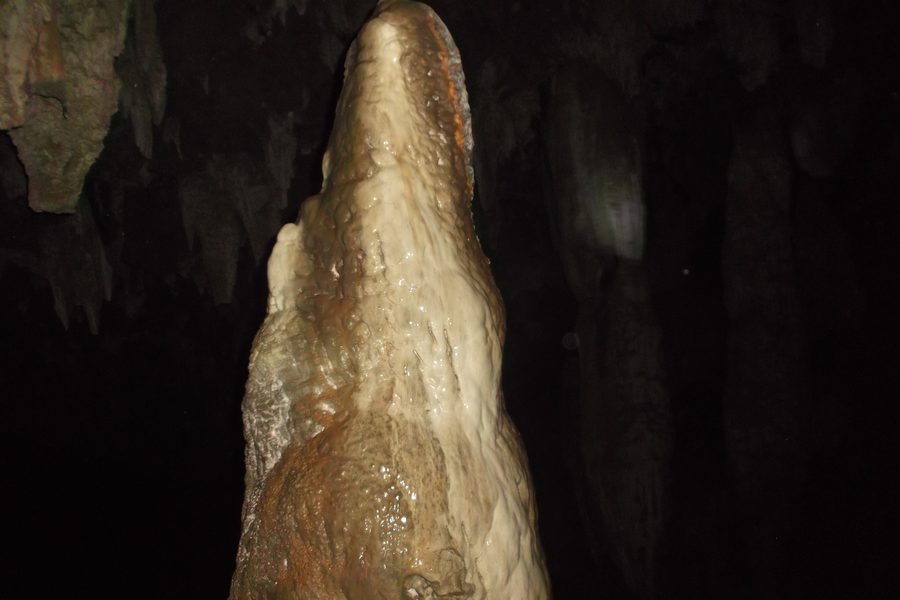 Estalagmite fotografiert im Inneren der Gruta de Bacaetava im Município de Colombo, Paraná.
Photo: Raquel Bello de Góes Moisés via Wikimedia Commons, CC BY-SA 4.0
Estalagmite fotografiert im Inneren der Gruta de Bacaetava im Município de Colombo, Paraná.
Photo: Raquel Bello de Góes Moisés via Wikimedia Commons, CC BY-SA 4.0
Colombo is an independent municipality in the Brazilian state of Paraná and is located in the metropolitan area of Curitiba. The town combines a documented history of Italian immigration with agricultural connections and themes of rural tourism. Colombo can therefore be of interest to travelers who, when planning a trip, want to take these local themes into account in addition to urban impressions.
Key facts about Colombo
- Location: independent municipality in Paraná in the Greater Curitiba area
- History: Italian immigration from 1877 and 1878; Colônia Alfredo Chaves is considered an important precursor settlement of today’s Colombo
- Local profile: agriculture, references to Italian culture, and rural tourism
Italian history as a local thread
Colombo’s official tourism website documents the settlement of Italian immigrants from 1877 and 1878. In 1878, Colônia Alfredo Chaves was founded, an important precursor settlement of today’s Colombo. This history gives the place a concrete cultural background and helps with the travel decision: Colombo is particularly suitable as a base when Italian immigration history and a local cultural background are part of the travel interest.
Agriculture and rural experience ideas
Colombo’s agricultural connections include grapes, cauliflower, tomatoes, and chayote, among other things. This classification describes the regional character, but it does not promise a specific market or farm visit, nor the availability of individual products. Together with the Circuito Italiano de Turismo Rural and the Parque Municipal Gruta do Bacaetava, themes become visible that distinguish Colombo from travel planning focused exclusively on urban experiences.
Colombo or Curitiba as a place to stay?
Anyone choosing Colombo is opting for an independent municipality in the Greater Curitiba area and not for accommodation within the city of Curitiba. The location description should therefore be consciously taken into account when searching for a vacation apartment: Colombo is particularly suitable when local history, agriculture, and rural experience ideas are more important than an exclusively urban focus. Accommodation in Curitiba, by contrast, follows a different location decision; however, no general statement about accessibility or mobility can be derived from the metropolitan connection.
For trip planning with different interests, it therefore makes sense to begin with a thematic decision: should the focus be on agricultural references, Italian cultural background, or primarily urban impressions? For current information on excursion offers and the Festa da Uva, please check the local details before your visit.
For more orientation when choosing within the state, see the page Paraná.
Frequently asked questions about Colombo
What makes Colombo interesting as a travel destination?
Colombo is an independent municipality in the Greater Curitiba area with a documented history of Italian immigration and agricultural connections. The local historical and agricultural character distinguishes the place from a purely urban Curitiba trip.
Which experience themes can be associated with Colombo?
Colombo is associated with themes of agriculture and regional products as well as Italian rural tourism. In addition, the Parque Municipal Gruta do Bacaetava and the Festa da Uva are linked to the place. Please check current details in advance.
Colombo or Curitiba as a place to stay?
Colombo is an independent municipality in the metropolitan area of Curitiba. Anyone looking for a vacation apartment here is orienting their choice toward a place with a local historical and agricultural profile; this does not imply any general statement about travel times or transport connections.


