
Vacation rentals in Minas Gerais
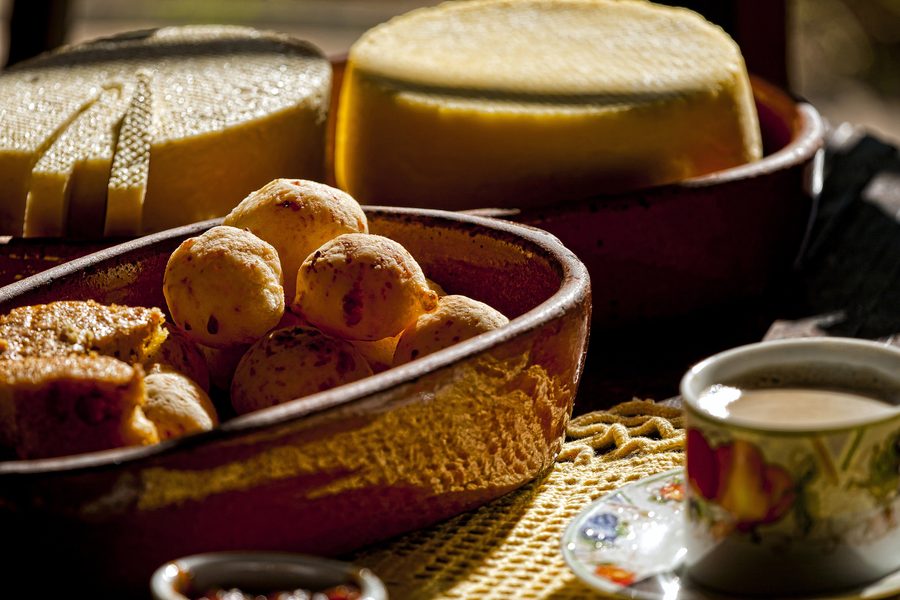 Pão de queijo, one of Minas Gerais’s signature foods.
Photo: Jonathan Wilkins via Wikimedia Commons, CC BY-SA 3.0
Pão de queijo, one of Minas Gerais’s signature foods.
Photo: Jonathan Wilkins via Wikimedia Commons, CC BY-SA 3.0
Minas Gerais is a large inland region in southeastern Brazil, and its appeal comes precisely from the contrasts: colonial towns, mountain and river landscapes, and a very distinctive food culture. For you, this is above all a question of choosing the right base, because a culturally focused trip, a quiet nature stay, and a practical city stop all feel noticeably different here. For orientation, it also helps to look at accommodations in Brazil.
Quick facts
- Minas Gerais is a large inland region in southeastern Brazil, with Belo Horizonte as its capital.
- Gold mining, coffee, and later industry shaped its identity.
- Colonial towns such as Ouro Preto and Mariana are among the defining impressions.
- Pão de queijo, feijão tropeiro, and doce de leite are typical regional signatures.
- Getting around the region is usually road-based and can involve hills, so choosing a smart base is worthwhile.
What makes Minas Gerais special
The state does not feel like a single type of holiday, but rather like an interplay of history, everyday culture, and landscape. Gold mining and coffee shaped its character, and industrial development came later; that is exactly why historical substance and modern city life sit side by side here. This mix is appealing for families because it allows travel stages at different paces.
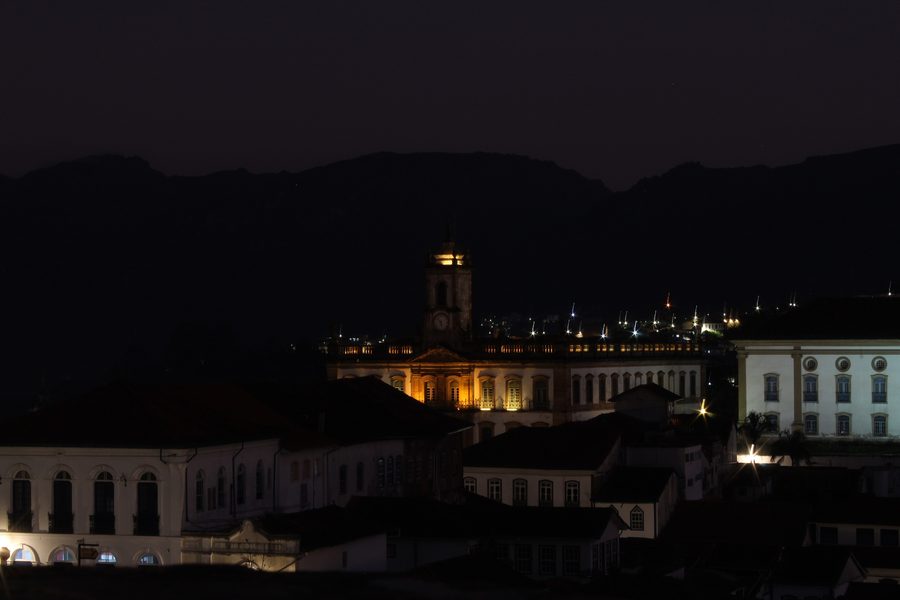
The classic Minas feeling often comes from colonial places, Baroque architecture, and a strong regional everyday culture. Festivals, music, crafts, and other traditions add further depth to the region. For you, this means: if you stay here, you are choosing not just a point on the map, but also a particular travel mood.
Culture, food, and landscape
Ouro Preto, Mariana, and other historic places stand for the cultural face of the region. They give Minas Gerais a clear identity that works well for compact culture days and clearly sets itself apart from simple transit. That is exactly why heritage places can work very well as a base if you value atmosphere more than changing locations as often as possible.
Food is also an immediate part of the travel experience. Pão de queijo, feijão tropeiro, and doce de leite are typical signatures of Minas Gerais and make the region especially tangible. That is pleasant for families, because regional cuisine here does not feel like an extra, but part of being on the move every day.
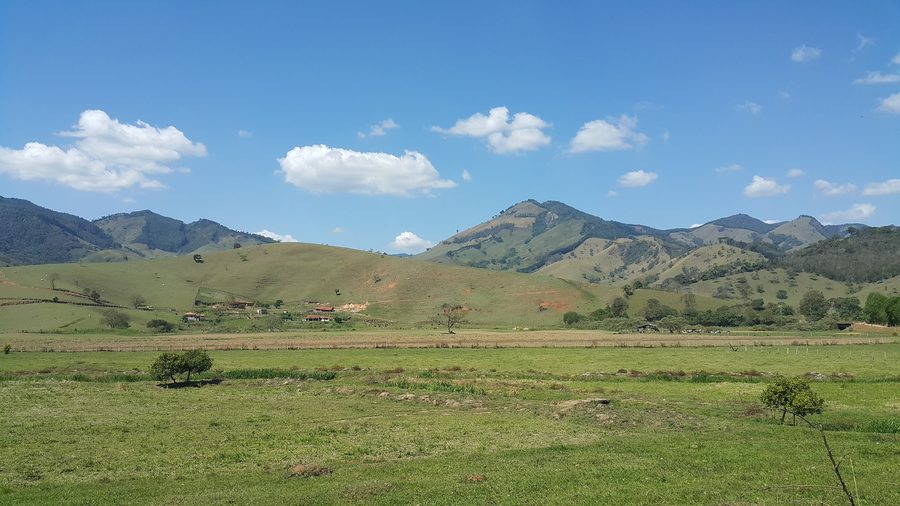
Scenically, Minas Gerais is just as varied: rivers, mountains, waterfalls, canyons, and caves shape the interior. That makes the region interesting for travelers who are looking not only for city and history, but also for nature as part of the route. A slower pace often works better here than a tightly scheduled itinerary.
Which base suits your trip?
The most important decision is usually not whether Minas Gerais is interesting, but which type of base suits your trip. A city base is practical when services and flexible day trips matter. A heritage town is a strong choice when you want culture and compact days with a clear townscape. A mountain or countryside base is better if peace, landscape, and a slower rhythm matter more.
The location within the state should also be considered. If you want to combine several parts of Minas Gerais, a centrally located city base can make sense. If, however, you want to experience a single area more intensively, a quieter base is often more appealing because it gives the stay more independence. For families, that is often the real key to finding the right accommodation.
Getting there, distances, and travel time
Minas Gerais is usually a road region. Distances between many places are longer, and the terrain is often hillier as well, which means the choice of where you stay has a noticeable effect on the daily rhythm. An accommodation that fits your main excursions is more important here than a merely theoretically central location.
As a rough guide for travel time: the drier months, roughly from late autumn to spring, are usually easier to plan, while the hotter and more humid period falls later in the year and into summer. That is not a weather guarantee, but it helps with broad family planning, especially if you expect to cover more distance by road.
Cultural and historic towns
For the classic Minas identity, these places are the most important points of comparison: Belo Horizonte, Juiz De Fora, Mariana, Ouro Preto, Sabará, São João Del Rei, and Tiradentes. Belo Horizonte is the most practical city base if services and a mixed daily plan matter more than peace and quiet.
City bases and practical hubs
If you are mainly looking for services, easy arrival, and flexible day trips, the most important city options are Betim, Contagem, Governador Valadares, Ibirité, Ipatinga, Nova Lima, Uberlândia, and Vespasiano. They are especially useful when an urban stay makes the trip easier to organize.
Mountain and nature places
For slower days with mountain scenery and access to nature, the right comparisons are Capitólio, Furnas, Itamonte, Lavras Novas, Monte Verde, Passa Quatro, Santana Do Riacho, São Roque De Minas, and São Thomé Das Letras. Here, a slower pace clearly comes before an urban services environment.
Lakes, water, and outdoor bases
If you want to focus more on water, scenery, and a looser daily rhythm, these places are useful points of reference: Delfinópolis, Esmeraldas, Guapé, Pirapora, Ponte Nova, São João Batista Do Glória, and São José da Barra. These places are especially suitable if you value landscape and leisure more highly than an urban setting.
More destinations in Minas Gerais
If you want to compare Minas Gerais more broadly, here are additional places as a neutral selection: Abadia, Abaeté, Abre Campo, Água Comprida, Aiuruoca, Alagoa, Alfenas, Alto Caparaó, Andrelândia, Antônio Pereira, Antunes, Araçuaí, Araguari, Arantina, Araponga, Araxá, Arcos, Baependi, Baldim, Barbacena, Barra Alegre, Barranco Alto, Belo Oriente, Belo Vale, Bicas, Boa Esperança, Boa Esperança, Bocaina De Minas, Bocaiúva, Bom Despacho, Bom Sucesso, Borda da Mata, Brasilândia de Minas, Brasópolis, Brumadinho, Brumadinho, Bueno Brandão, Buenópolis, Buritis, Cachoeira de Minas, Cachoeira Dourada, Caetanópolis, Caeté, Camanducaia, Cambuí, Cambuquira, Campanha, Caparaó, Capitólio, Carandaí, Carangola, Caratinga, Carmo de Minas, Carmo do Cajuru, Carmo Do Rio Claro, Carmópolis de Minas, Carrancas, Cataguases, Catas Altas, Caxambu, Centralina, Conceição Da Ibitipoca, Conceição Do Mato Dentro, Confins, Congonhas, Conquista, Conselheiro Lafaiete, Coromandel, Coronel Fabriciano, Córrego do Bom Jesus, Cristiano Otoni, Cruzília, Curvelo, Delfim Moreira, Diamantina, Divinópolis, Entre Rios De Minas, Espera Feliz, Estiva, Estrela Dalva, Extrema, Fama, Fazendinha, Felicidade, Formiga, Formiga, Francisco Sá, Fronteira, Frutal, Goncalves, Gordura, Grão Mogol, Guaicuí, Guanhães, Guarda-Mor, Guaxupé, Horácio Alves, Igarapé, Iguatama, Ilicínea, Inhaúma, Itabira, Itabirito, Itacarambi, Itaguara, Itajubá, Itambé do Mato Dentro, Itanhandu, Itaobim, Itaúna, Ituiutaba, Jaboticatubas, Jacutinga, Jaguaritira, Joanésia, João Monlevade, João Pinheiro, Joaquim Messias, José Raydan, José Sebastião Leite, Lagoa Da Prata, Lagoa Dourada, Lagoa Formosa, Lagoa Santa, Lambari, Lapinha, Lassance, Lavras, Lima Duarte, Luminárias, Machado, Manga, Manhuaçu, Manhuaçu, Maria da Fé, Mário Campos, Marliéria, Matias Barbosa, Mato Verde, Melado, Mercês De Água Limpa, Minduri, Mirantão, Moeda, Montalvânia, Monte Belo, Monte Santo De Minas, Monte Sião, Monte Sião, Monte Verde, Montes Claros, Montezuma, Morada Nova de Minas, Munhoz, Muriaé, Nanuque, Natércia, Nova Ponte, Nova Serrana, Olhos-D'água, Oliveira, Ouro Branco, Ouro Fino, Ouro Preto, Padre Paraíso, Pará De Minas, Paracatu, Paraguaçu, Paraisópolis, Paraopeba, Parapeúna, Passa Tempo, Passa-Vinte, Passos, Passos, Patos De Minas, Patrocínio, Peçanha, Pedra Azul, Pedro Leopoldo, Pimenta, Piranguçu, Pitangui, Piumhi, Planura, Pocinhos Do Rio Verde, Poços De Caldas, Pompéu, Porteirinha, Pôrto Arrepiado, Porto Firme, Pouso Alegre, Pouso Alto, Prados, Pratápolis, Reduto, Resende Costa, Resplendor, Ribeirão Das Neves, Rio Acima, Rio Casca, Rio Pomba, Rio Preto, Sacramento, Salinas, Santa Bárbara, Santa Luzia, Santa Maria do Suaçuí, Santa Rita De Jacutinga, Santa Rita Do Sapucaí, Santana de Pirapama, Santana Dos Montes, Santo Antônio do Amparo, Santo Antônio Do Aventureiro, Santo Antônio do Pirapetinga, Santos Dumont, São Brás Do Suaçuí, São Domingos do Prata, São Francisco, São Gonçalo do Sapucaí, São Joaquim de Bicas, São Lourenço, São Sebastião Do Oeste, São Sebastião Do Paraíso, São Sebastião Do Rio Verde, Sapucaí-Mirim, Sarzedo, Saudade, Sebastião Abreu, Senador Amaral, Senhora Do Porto, Serro, Sete Lagoas, Simão Pereira, Soledade de Minas, Taparuba, Teófilo Otoni, Timóteo, Tombos, Três Corações, Três Marias, Três Pontas, Tupacyguara, Turmalina, Uberaba, Unaí, Varginha, Varginha, Várzea Da Palma, Viçosa, Virgínia, Volta Grande.
Frequently asked questions about Minas Gerais
What makes Minas Gerais different from coastal regions?
Minas Gerais is inland, historically shaped, and very diverse in its landscapes. Instead of a coastal profile, the focus here is on colonial towns, culture, and varied inland scenery.
Is Minas Gerais more of a culture or nature destination?
Both are strong: on one side there are colonial towns and cultural traditions, on the other mountains, rivers, waterfalls, and caves. It is exactly this mix that makes the region so distinctive.
Which foods should be part of a visit?
Typical signatures are pão de queijo, feijão tropeiro, and doce de leite. They also give the region a very clear culinary profile.
Which base works best for a family trip?
A city base is good for services and easier arrival, a heritage town suits compact cultural days, and a rural base fits a slower rhythm with more scenery.
When is the best time to travel to Minas Gerais?
For general planning, the drier months from roughly late autumn to spring are usually more pleasant. The hotter and more humid period tends to come later in the year and in summer.


_-_18-06-2023_-_Ouro_Preto_-_Minas_Gerais_-_Brazil.jpg)
