
San Juan de Alicante: Trails, Towers and Traditional Cuisine
Accommodation in San Juan de Alicante
For a trip to San Juan de Alicante, culture, outdoor activities, landscape and regional cuisine can be considered as different perspectives.
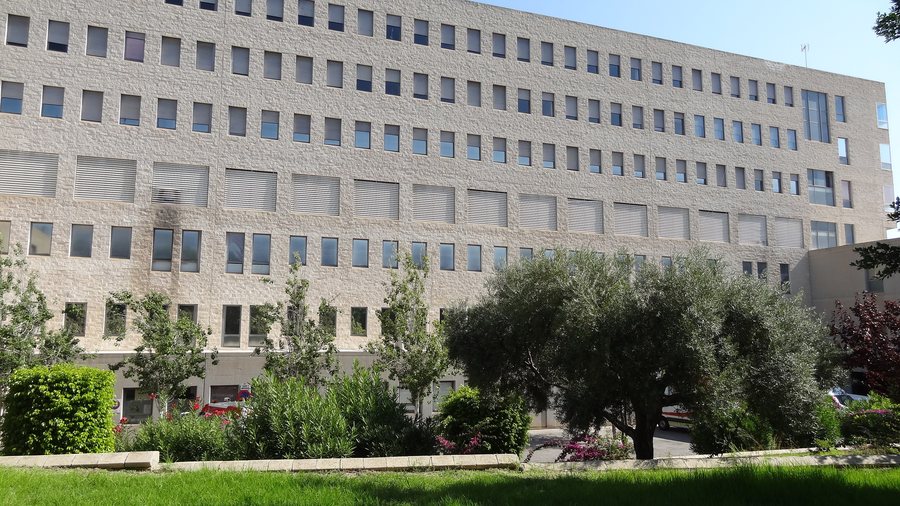 File:Hospital de San Juan de Alicante. Fachada Sur - panoramio.jpg
Photo: vilfacio via Wikimedia Commons, CC BY 3.0
File:Hospital de San Juan de Alicante. Fachada Sur - panoramio.jpg
Photo: vilfacio via Wikimedia Commons, CC BY 3.0
When comparing a holiday apartment in San Juan de Alicante, you can review travel dates, room category and cancellation conditions side by side on the listing pages. These three details can be considered independently of the cultural, scenic and culinary aspects of the area.
Culture and History
The Ermita del Calvari is an 18th-century chapel and marked the end of a Way of the Cross. Between Alicante and the hamlet, the pilgrimage to Santa Faz has been held annually since the 16th century.
The Torre Ansaldo complex includes a chapel with allegorical murals; the cellar was used to produce numerous wines. Visits to Torre Ansaldo are offered Monday to Thursday from 5:00 p.m. to 9:30 p.m. by prior reservation.
Torre Bonanza is a three-storey prismatic tower, whose construction is believed to date back to the 16th century. The Sant Joan d’Alacant band has been part of the town’s history since its founding in 1871. Festivals take place in Sant Joan d’Alacant in every month except November; many traditional performances have medieval origins.
Trails and Landscape
Route 1, “Torres de la Huerta,” is approximately 24.5 kilometres long and is suitable for cycling, hiking in six to eight hours, or a stage tour. Route 2, “Camino de Lloixa and Colada de Coix,” is approximately three kilometres long, follows traditional paths and is suitable for hiking.
Route 3, “Caminos de Sant Joan,” connects traditional paths around Sant Joan d’Alacant and is twelve kilometres long; it can be completed on foot or by bicycle. Route 4, “Pasea por Sant Joan,” is ten kilometres long, runs through the town and is suitable for hiking.
Route 5, “Pasea por Sant Joan desde Muchavista,” is a 14-kilometre circular route that can be completed on foot or by bicycle. The “Torres de la Huerta” route leads to towers built in the Huerta alicantina between the 16th and 17th centuries.
Monte Calvari is equipped as a recreational area and offers picnic facilities, views, scrubland vegetation and a pine forest at its southern end. The different route lengths, the duration of six to eight hours and the possible modes of transport provide several objective points of comparison for planning your day.
More local pages: Beniaia, La Mandarina, Benimarfull, Bolulla, Crevillente, Mutxamel, Guardamar Del Segura, Cocentaina
Cuisine
The typical cuisine of Sant Joan d’Alacant is based on produce from the Huerta alicantina. Rice plays a central role in the traditional cuisine of Sant Joan d’Alacant; dishes include arroz a la alicantina, arroz con cebolla and olleta.
Putxero amb tarongetes remains a dish associated with major celebrations.
To the main travel overview: Alicante.

