
Holiday apartment in Éibar
Accommodation in Éibar
Éibar is located in Gipuzkoa in the Basque Country and is the center of the comarca Debabarrena. The city is especially characterized by its historical connection to metalworking and the manufacture of firearms.
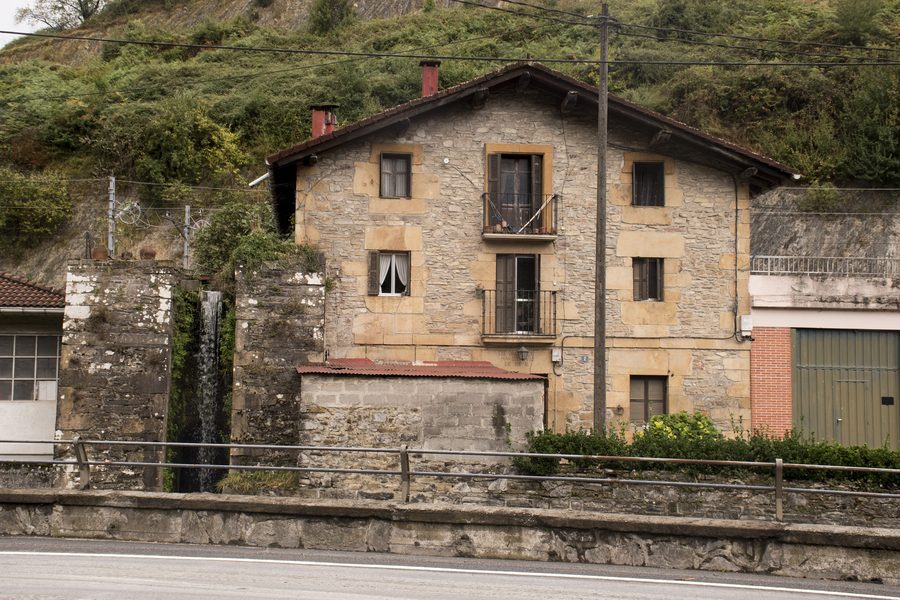 Das Zamakola lantegi-etxea steht beispielhaft für Éibars industrielle Prägung.
Photo: Theklan via Wikimedia Commons, CC BY-SA 4.0
Das Zamakola lantegi-etxea steht beispielhaft für Éibars industrielle Prägung.
Photo: Theklan via Wikimedia Commons, CC BY-SA 4.0
Key facts about Éibar
- Éibar is located in Gipuzkoa in the Basque Country.
- The city is the center of the comarca Debabarrena.
- Its historical character shaped by metalworking and the manufacture of firearms goes back to the 16th century.
Éibar's historical industrial character
Éibar derives its clear profile above all from the history of metalworking and the manufacture of firearms. This tradition goes back to the 16th century and makes the city interesting for travelers seeking a concrete approach to Basque industrial history.
The historical focus is thus a comprehensible reason to consider Éibar as a travel destination. Anyone interested in metal craftsmanship and the historical manufacture of weapons will find a documented thematic point of reference in this city.
Notable places in the city area
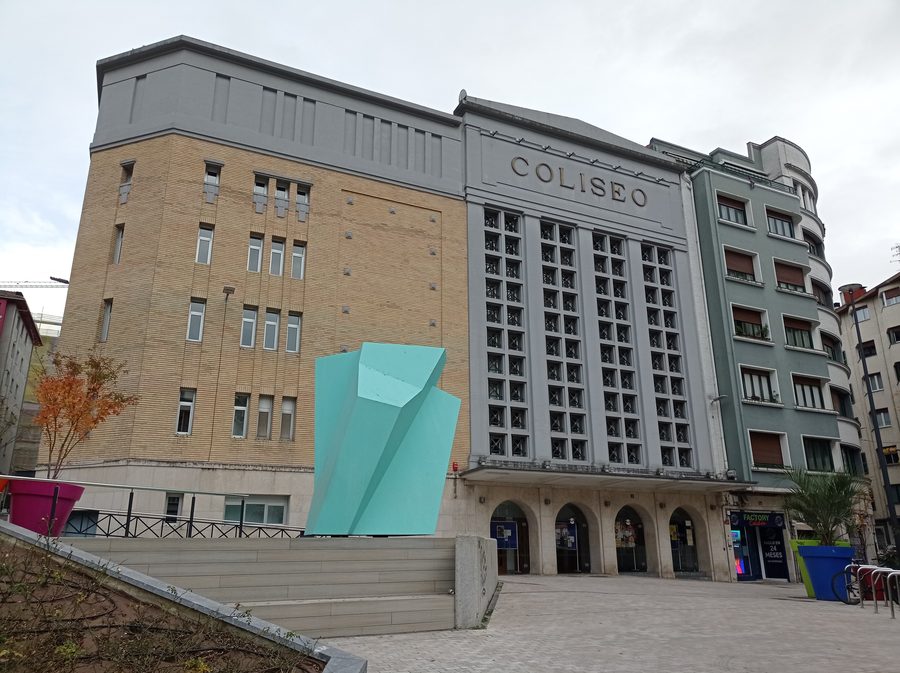
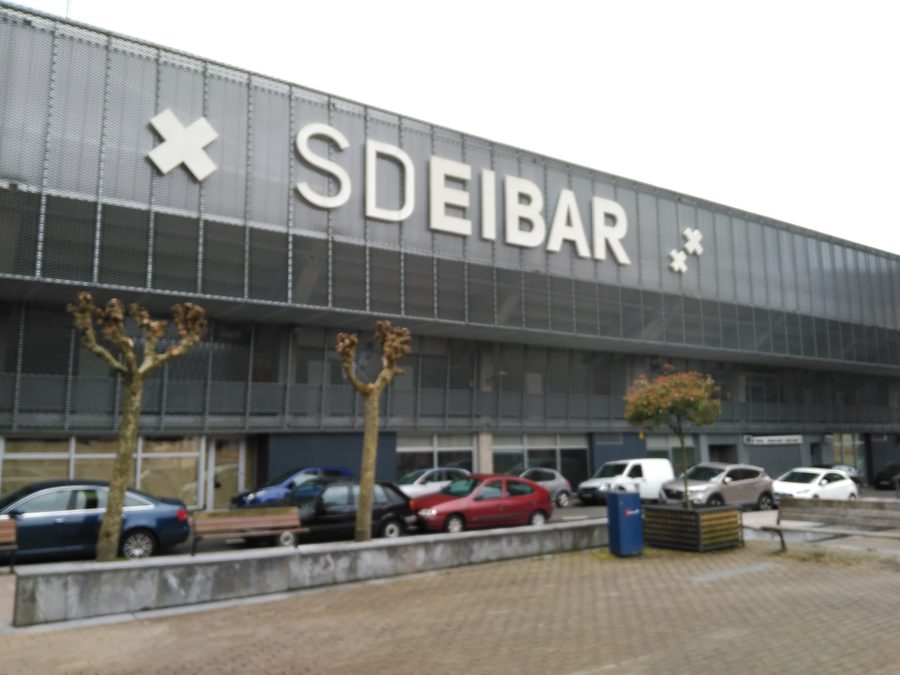
Notable places listed in the city area include the Coliseo Theatre, Ipurua Stadium, and the railway station. They complement the image of the industrially shaped city with concrete names from the public and cultural urban landscape.
Does Éibar suit your travel interests?
A holiday apartment in Éibar is accommodation in a city whose character is especially revealed through its historical metalworking and weapons manufacture. If you are looking for a clear thematic focus in Basque industrial history for your trip, Éibar is a natural travel destination based on this documented character. The page on Gipuzkoa places Éibar in the broader regional context.
Frequently asked questions about Éibar
What is Éibar especially known for?
Éibar is located in Gipuzkoa and has historically been shaped above all by metalworking and the manufacture of firearms. This tradition goes back to the 16th century.


