
Holiday apartment in Trei Sate – Churches, History and Landscapes
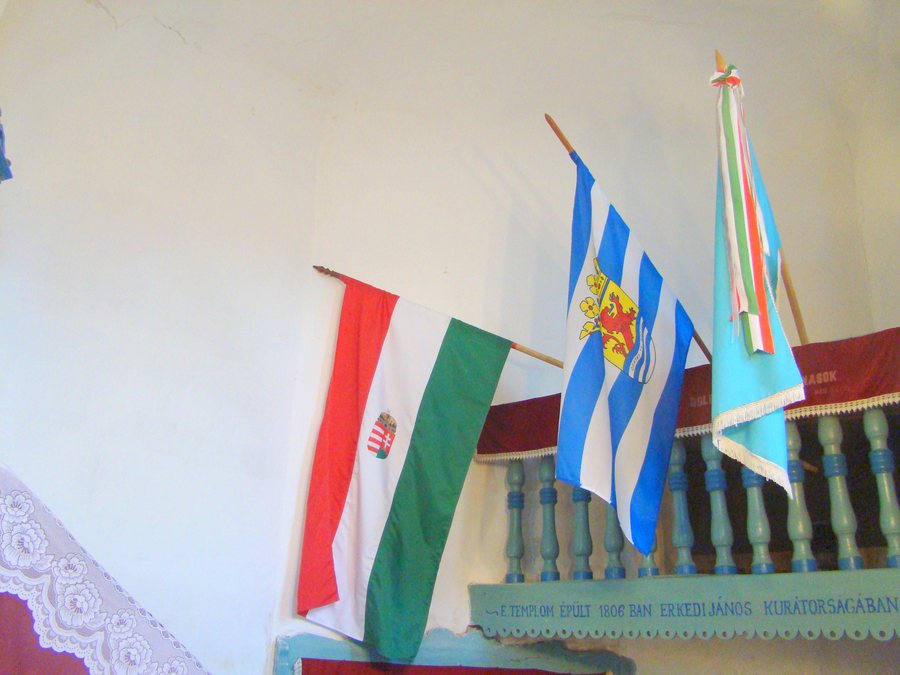 File:RO MS Biserica reformata din Trei Sate (fostul sat Cioc) (14).jpg
Photo: Țetcu Mircea Rareș via Wikimedia Commons, CC BY-SA 4.0
File:RO MS Biserica reformata din Trei Sate (fostul sat Cioc) (14).jpg
Photo: Țetcu Mircea Rareș via Wikimedia Commons, CC BY-SA 4.0
Trei Sate combines a multifaceted history with distinctive landscape features and cultural traces in its constituent villages. The town was formed in 1950 through the merger of the three villages of Cioc, Hotești and Ștefănești. For you, this means a destination where historical developments, regional architecture and natural features come together within a compact narrative setting.
Landscape between the riverbank and the peaks
Trei Sate, also known by the name Hármasfalu, lies on the right bank of the Târnava Mică. The wider surrounding region is also home to several peaks: Firtos-tető, Vârful Aramei, Vârful Pietros and Vârful Stejarului. If, when choosing a holiday apartment, you value a connection between local history and broader landscape themes, you will find various starting points here for planning your own trip.
The DN13A also helps to provide a spatial overview of the area. The road is 130 kilometres long and connects Miercurea Ciuc with Bălăușeri on the E60/DN13. For a longer journey or a round trip, this clearly described connection is a relevant point of orientation.
History and architectural heritage in Hotești and Ștefănești
Hotești has been documented since 1567. The present-day Reformed church in the village was built between 1819 and 1821. It contains a communion table made in 1785, which represents a distinct historical detail. The Hotești Village Museum is housed in a 19th-century Reformed parsonage. The church, historical furnishings and museum therefore provide different focal points within the village.
In Ștefănești, the nave of the Reformed church was demolished and enlarged in 1890, while the tower was preserved. The year 1872 is visible on the tower. The Barátosi Manor House, built in the 18th century, also stands in Ștefănești. Its façade is 17 metres wide and features a central projecting section supported by stone columns. Such specific architectural features make the place interesting for travellers who want to consider not only the landscape but also regional history when choosing accommodation.
The craft tradition includes the production of traditional, handwoven waistcoats from Hármasfalu. They were made using a two-shaft weaving technique in which red warp yarn was woven together with black yarn. This complements the architectural heritage with an insight into textile design and local tradition. For families with differing interests, this combination of a riverside location, peaks, religious buildings, a manor house, museum and crafts can be a helpful benchmark when choosing the right holiday apartment in Trei Sate for a culturally oriented or landscape-focused stay.
A holiday apartment in Trei Sate to suit your own travel plans
The location on the right bank of the Târnava Mică and the regional links to Firtos-tető, Vârful Aramei, Vârful Pietros and Vârful Stejarului appeal to different holiday preferences than the historical highlights of Hotești and Ștefănești. Consider therefore whether local history, architecture, textile tradition or the wider landscape is most important to you.
Discover more places in the surrounding area
For further orientation, you can also explore Gorneşti, Sângeorgiu De Mureş, Săcalu De Pădure, Chibed, Weissenkirch, Schässburg, Lunca Bradului and Weichseldorf.
For the overarching travel overview: Mures.
Check prices, availability and amenities for your travel dates directly on Booking.com.
View accommodation and offersAdvertisement · Affiliate link to Booking.com
_(14).jpg)