
Orăştioara de Sus: Dacian Fortresses and Mountain Nature
Accommodation in Orăştioara de Sus
Holiday apartment in Orăştioara de Sus among fortresses and nature
Orăştioara de Sus combines impressive mountain nature with an exceptionally rich heritage of the Dacian world. The Dacian fortresses in the Orăştie Mountains are recognised as a UNESCO World Heritage site. They combine military and religious building techniques and concepts; at the same time, extensive, well-preserved remains impress within a striking natural setting. Those looking for a holiday apartment in Orăştioara de Sus will therefore find a place where an interest in culture and a stay in the landscape can be readily connected in their travel plans.
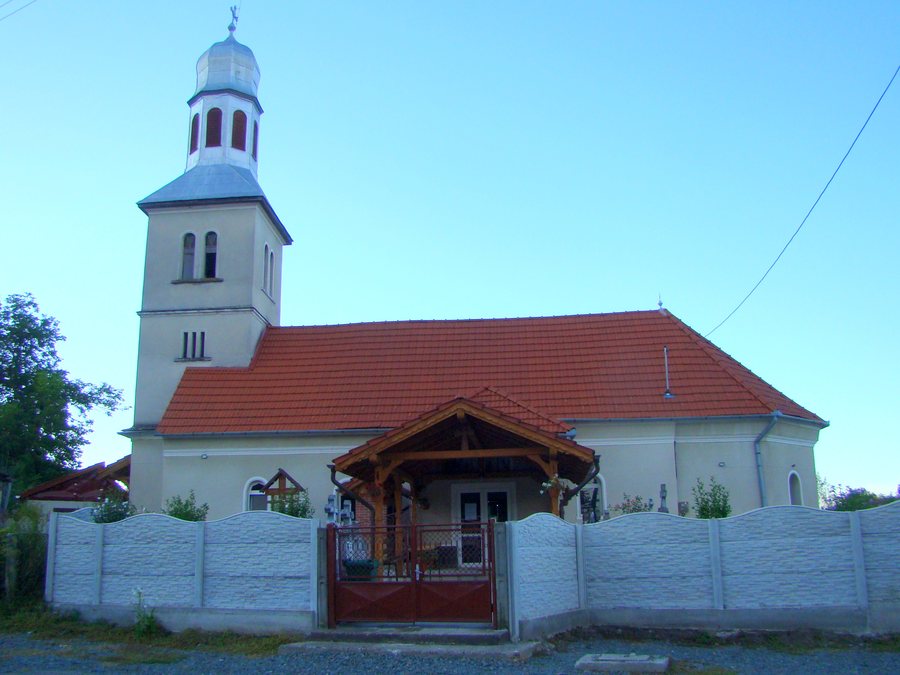 File:Biserica Sfântul Nicolae din Orăștioara de Sus (1).jpg
Photo: Țetcu Mircea Rareș via Wikimedia Commons, CC BY-SA 4.0
File:Biserica Sfântul Nicolae din Orăștioara de Sus (1).jpg
Photo: Țetcu Mircea Rareș via Wikimedia Commons, CC BY-SA 4.0
Dacian history with distinctive sites
Sarmizegetusa Regia was the religious, political and military centre of the Dacian world for almost one and a half centuries. The Dacian fortress of Blidaru was intended to protect Sarmizegetusa Regia from the north. Its construction began as early as the middle of the 1st century BC. The original military enclosure had a trapezoidal shape and covered approximately 2,500 m². Vârful lui Hulpe was also part of the defensive system created in the 1st century BC around the capital of the kingdom.
Fețele Albe offers further insights. The Dacian settlement extended across dozens of artificially created terraces on the southern slope of a ridge of Muncel. In the central area there is a group of terraces supported by limestone-block walls, as well as monumental ritual buildings. The municipality is also home to Castrul de la Bucium – Piatra Grădiştii, a Roman fort from the 2nd and 3rd centuries. Different historical layers, each with its own architectural and cultural character, thus emerge in Orăştioara de Sus.
Hiking trails for short and long days
The DJ 705A runs from Orăştie along the Grădişte River through the municipality to the large fortress of Sarmizegetusa Regia. For extended hiking days, the mountain trail Costeşti–Valea Grădiştei–Dealul Grădiştei–Cetatea Sarmizegusa Regia–Muncel–Vf. Godeanu takes 10 to 11 hours. A considerably shorter option is the Grădiștea de Munte–Platoul Vârtoapelor–Snowdrop Forest hiking trail: it is 4.8 km long, takes about three hours and is considered easy. The different trail lengths and time estimates help you plan the desired focus of a day in the region more effectively.
Cascada din Valea Rea is also one of the natural attractions. It can be reached from the DJ 705A between Costești and Grădiștea de Munte via the connecting road to Schitul Sfinților Români and lies about 2 km before the skete. A waterfall thus adds another specific natural destination to the historical fortresses and hiking trails.
Festivals and customs in the municipality
The municipality’s annual events calendar includes “Istorie, Natură, Cultură”, the historical Frăția Lupilor festival and the Maratonul Dacilor sporting competition. These events take place annually in July and August. The tradition of Căluşerul hunedorean has a different seasonal character: it is characteristic of villages in the municipality of Orăştioara de Sus and is practised only at Christmas.
Local customs also include “măsuratul oilor”, a traditional festival in which tourists can take part. Near Grădiștea de Munte, a cross carved from oak was erected in memory of local Christian missionaries from Dacia. With its festival calendar, religious remembrance, hiking routes and Dacian structures, Orăştioara de Sus thus offers various points of connection for planning a stay.
For the overarching travel overview: Orastioara de Sus.

.jpg)