
Iara: Roman Routes and Historic Buildings
Accommodation in Iara
Roman roads, a long history of church life and buildings from different centuries give Iara a distinctive cultural and historical profile. The commune also has a landscape feature: the “Cetatea” rock outcrop in the Cheile Ocolișelului, which offers a viewpoint. This means travel planning can combine questions about local history with a look at the landscape within the commune. If you are looking for a holiday rental in Iara, you can first consider whether archaeology, historic architecture or the landscape should be the focus of your stay.
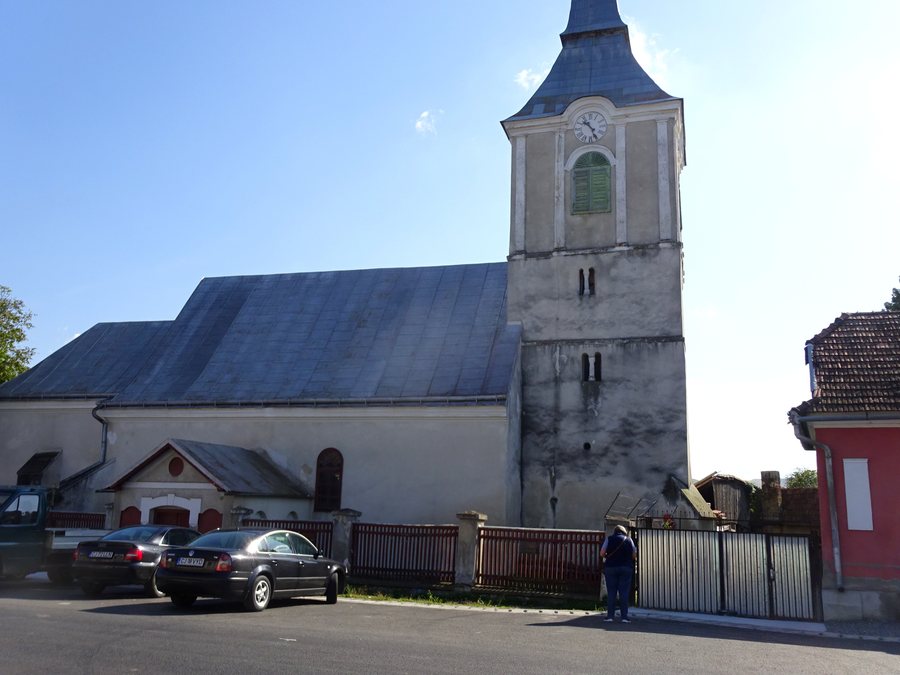 File:Biserica unitariană din Iara (1).jpg
Photo: Țetcu Mircea Rareș via Wikimedia Commons, CC BY-SA 4.0
Roman Roads and Settlement History
The Roman secondary road crosses Iara from northeast to southwest. This gives the Roman theme a clear location in the village and adds an ancient route to the settlement’s history. The Roman settlement “Aşezarea romană de la Iara – Groapa lui Papa” was discovered on the road to Băişoara. The prehistoric settlement of Iara is from a different period; it is listed under code CJ-I-s-B-07077 in the List of Historic Monuments. Taken together, the archaeological sites span the period from prehistoric settlement to Roman roads and settlements. For a cultural and historical stay, they give Iara a perspective that extends beyond its later buildings.
The Unitarian Church in Historical Context
The Unitarian Church of Iara is an architectural monument of local significance and was rebuilt in the 18th century. The church site is first documented in 1332; restoration work was completed in 1858. These dates mark different aspects of its history: 1332 refers to the site, the 18th century to the rebuilding, and 1858 to the completion of the restoration work. This makes it possible to distinguish the site’s early history from the later building work. For visitors interested in historic architecture, the church is a useful point of reference.
An Architectural Monument from the 19th Century
The Conacul Teleki in Iara adds another architectural landmark: it is an architectural monument of local significance dating from the 19th century. Together with the Unitarian Church, it offers a comparison between an 18th-century rebuilding and a 19th-century building. If historic buildings are an important reason for your trip, this comparison offers a second perspective on Iara’s history.
Landscape and Route
Within the commune of Iara, the “Cetatea” rock outcrop is the most distinctive formation in the Cheile Ocolișelului and offers a viewpoint. This adds to the architectural and archaeological points of interest in the village; the landscape feature lies within the commune. The Iara–Lungeşti–Iara route starts in Iara, near the Unitarian Church. Its named starting point provides another route-related option to include in your travel plans alongside your historical interests.
Getting There and Choosing a Holiday Rental
Iara can be reached from Cluj via the DJ 107M. The route passes through Florești, Săvădisla and Băișoara before reaching Iara. Check the current route before setting off, as road conditions may change. When choosing a holiday rental in Iara, you can plan your stay around your interests: if local history and architecture are your main focus, the Roman and church-related sites provide a clear framework. If you would also like to explore the landscape, include the surrounding commune in your plans.
For the broader travel overview: Iara.

