
Holiday apartment in Nădlac – Culture between plain and border
Accommodation in Nădlac
Nădlac combines the vastness of the lowlands with a multifaceted cultural history. The city lies entirely in the lowlands and belongs to the Great Western Plain; at the same time, it is located near the Mureș River. Situated on the border with Hungary, Nădlac is one of the important border crossings. Those who choose a holiday apartment in Nădlac can therefore tailor their stay to different interests: to the landscape and character of the town as well as to its churches, history and regional traditions.
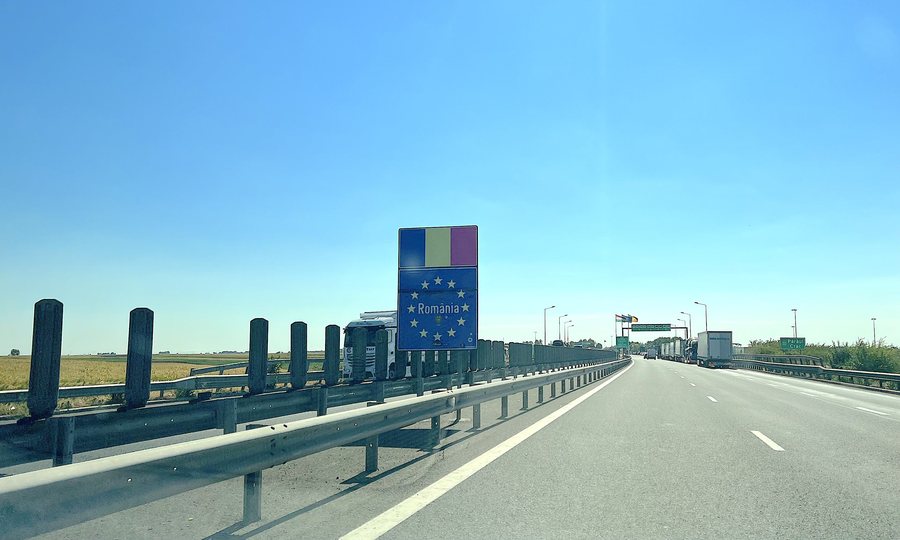
Holiday apartment in Nădlac between plain and culture
Nădlac’s geographical location provides a clear framework. Its position in the lowlands and its membership of the Great Western Plain shape how the town is classified. For your holiday planning, this is above all a matter of personal focus: Would you like to get to know a place with a pronounced historical and cultural profile, or experience its border location as part of the destination? Nădlac offers an unusually clear thematic connection between these aspects.
The city’s history has also been shaped by different population groups. In 1803, Slovak colonists settled in Nădlac; they came from Tothklomos in Hungary and from central Slovakia. To this day, Nădlac is considered multicultural, multiethnic and multiconfessional. These three characteristics give the town a cultural depth that can be particularly appreciated on a walk through its historic buildings and religious sites.
Churches, ensemble and museum
One of the notable buildings is the Orthodox Church of “Sfântul Ierarh Nicolae”. It was built between 1812 and 1822 in the Baroque and Rococo styles. Its name day is celebrated every year on 6 December. This links a specific date with a building that also represents Nădlac’s religious diversity.
The Slovak Evangelical Lutheran Church in Nădlac was also built between 1812 and 1822. It is a historic monument. The Nădlac urban ensemble is located in Nădlac and encompasses the area around the Slovak Evangelical Church, the Slovak school, the general school and the Roman Catholic Church. In addition, Nădlac is home to a Slovak ethnographic museum in a house that was converted into an ethnographic museum. This allows religious architecture, educational sites and everyday culture to be viewed within a shared urban theme.
Slovak traditions and regional cuisine
The preparation of fresh sausages is also part of Nădlac’s cultural heritage. It is regarded as a tradition passed down from generation to generation. The “Festivalul Cârnatului Proaspăt – Ediția 2025” was scheduled to take place in Nădlac on 10 and 11 May 2025. The event was intended to promote the tradition of preparing fresh sausages that is specific to the Nădlac area.
The festival scheduled for these two days in May 2025 also highlighted a culinary tradition that connects Slovak culture with local customs. For you, this aspect can be an appealing way to experience the town if shared meals, regional customs and cultural discoveries are part of your holiday. Together with the churches, the ethnographic museum and the urban ensemble, it creates a multifaceted picture of Nădlac – a good basis for choosing the right holiday apartment or holiday home according to your own cultural and landscape-related interests.
For the overarching travel overview: Nadlac.

