
Almaș: Churches, Landscapes and Traditions
Accommodation in Almaș
Almaș combines cultural traces in the village with a landscape that unfolds across the wider municipality. The Crișul Alb, the Gurahonț Depression and the northeastern foothills of the Zărand Mountains set the geographical scene. Added to these are a Dacian settlement, ecclesiastical history and traditional customs. When choosing a holiday apartment, it is helpful to distinguish between the cultural points of interest in Almaș and leisure opportunities across the municipality.
Landscape and nature in the municipality
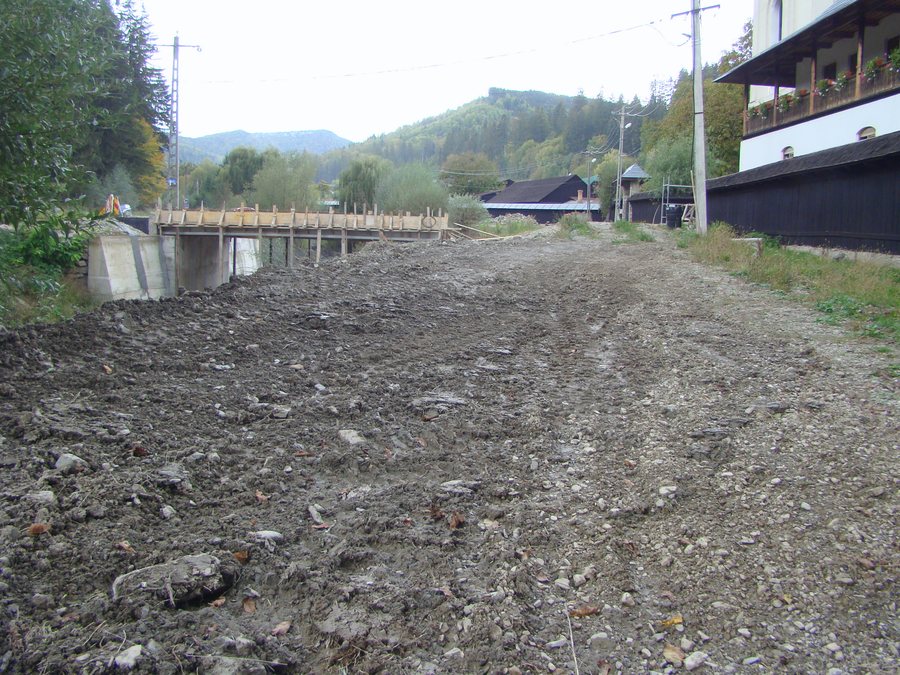
The municipality of Almaș lies on the left bank of the Crișul Alb, in the Gurahonț Depression and at the northeastern foothills of the Zărand Mountains. The Natura 2000 bird protection area ROSPA0117 Drocea–Zarand also covers the municipality; a share of 51 percent is specified for Almaș. The river, depression, mountain fringe and protected area shape the landscape and offer different geographical reference points for planning a trip.
This information refers to the municipality of Almaș. For cultural discoveries, however, the village itself is the specific point of reference: the archaeological site “Așezarea dacică de la Almaș – Valea Cetății,” a Dacian settlement, is located there. The landscape and the village’s history thus represent different aspects of a stay, without describing the same kind of excursion.
Archaeology, churches and religious culture
The archaeological site in Almaș provides a historical point of reference for planning a visit to the village. Also here is the parish church, dedicated to the Annunciation and dating from 1889. The icon of the Mother of God “Pantanassa” also holds a special place in the history of this church: it was donated to the parish church and brought there from Mount Athos. Its dedication, year of construction and icon each add a distinct note to the ecclesiastical heritage.
A church considered worth visiting is located in the centre of Almaș. For a culture-focused stay, it offers another point of interest in the village. The church-related themes can be connected with the archaeological history, while keeping the different sites and their respective backgrounds distinct.
A religious complex is also located in the wider area around the municipality: the “Bunavestire” hermitage was founded in 1999. It includes a chapel dedicated to the Annunciation and several monastic cells. Services are celebrated according to the Athonite tradition. The chapel, cells and liturgical practice give the complex a distinctive character alongside the parish church in Almaș.
Customs and leisure ideas
In the “Nunta Almaşană,” young people from the municipality act out wedding customs from Almaș. They wear traditional local clothing, speak in the Crișan dialect and show what a wedding used to be like. The custom thus brings together clothing, language and a portrayal of past wedding traditions. At Sânziene, wreaths are woven from Sânziene flowers in the municipality and hung on gates—another glimpse of local traditions.
Oina is also part of the traditional sporting culture of the municipality of Almaș. The Oina team from Almaș took part in numerous county, regional and national championships. This adds a sporting tradition to the religious and seasonal customs; the competitions should be understood as part of the area’s inherited history.
Fishing on the Crișul Alb and hiking are mentioned as leisure activities in connection with Almaș. Alongside cultural interests, outdoor activities can therefore also feature on your itinerary. When choosing where to stay, you can consider whether village history, customs or leisure opportunities in the municipality matter most to you.
Getting here and choosing suitable accommodation
The municipality of Almaș is connected to the Arad–Brad railway line, and there is a station in the village of Almaș. This is a specific reference point for arriving by train. Check the timetable and current passenger services for your travel date.
When looking for a holiday apartment, it helps to first decide what you want to focus on: would you mainly like to visit the archaeological site and the village’s ecclesiastical points of interest, or are the landscape and leisure opportunities across the municipality important too? This way, your choice of base can reflect the interests that bring you to Almaș.
For the broader travel overview: Almas.

