
Vadu Moților: Historic Buildings, Natural Monument and Regional Cuisine
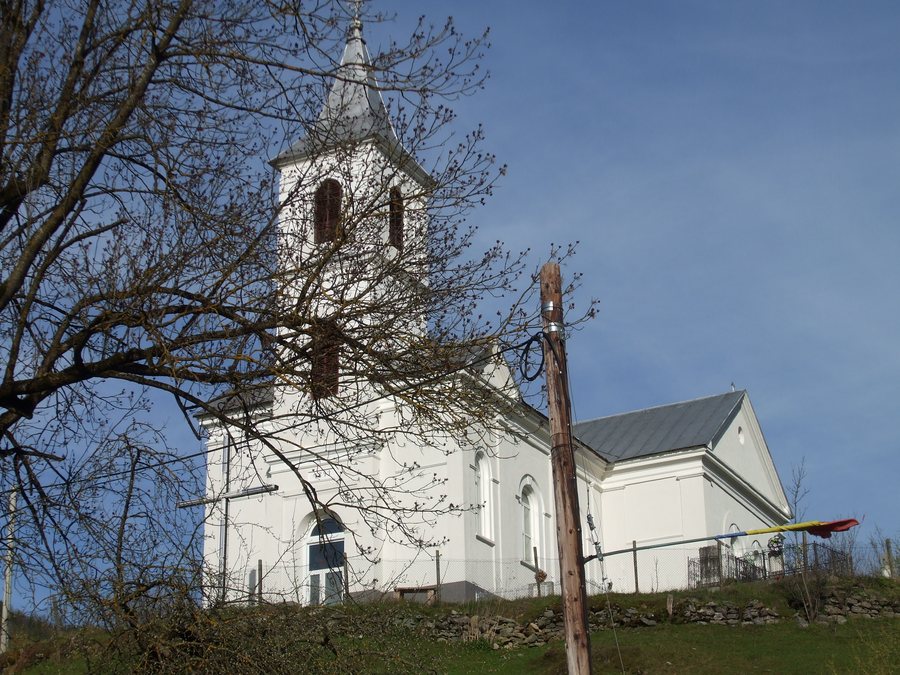 File:RO AB Vadu Motilor Greek Catholic church 1.jpg
Photo: TARE GHEORGHE at Romanian Wikipedia via Wikimedia Commons, Public domain
File:RO AB Vadu Motilor Greek Catholic church 1.jpg
Photo: TARE GHEORGHE at Romanian Wikipedia via Wikimedia Commons, Public domain
Vadu Moților is associated with historic architecture, a natural monument and regional gastronomy. The locality’s history includes the “Sfinții Arhangheli” wooden church in Lăzești, 18th-century farmhouses, a watermill and an old stamping mill from the 19th century. This is complemented by old words and expressions from the Țara Moților region, the Lăzești Hermitage and local gastronomic points. As a result, the range extends from sacred wooden architecture and former village life to nature and regional cuisine.
Historic Buildings and Village Life in Vadu Moților
The “Sfinții Arhangheli” wooden church in Lăzești is a historic monument and was built before 1738. In Vadu Moților, tourists can visit 18th-century farmhouses. There is also a watermill and an old stamping mill from the 19th century. The church is a sacred wooden structure; the farmhouses represent rural living, while the watermill and stamping mill represent historic technology.
Representatives of the Lăzești–Scărișoara and Lăzești–Vadu Moților village communities compiled a list of old words and expressions that were formerly used in the area and throughout the wider Țara Moților region. The Lăzești Hermitage was founded in 1994 and comprises a chapel and a farmhouse. “Vâltori și mori” is one of the tourist attractions in Vadu Moților. The old language remains temporally tied to its former usage.
Nature and Daily Planning
Piatra Hojii is designated as a natural monument in Vadu Moților. For travel planning, the natural site can be treated as a separate focus together with the locality’s historic buildings. Those who want to spread the topics over several days can devote one day more specifically to historic architecture and another to Piatra Hojii.
Bus Route and Road Corridor
Vadu Moților is a stop on the Câmpeni–Vadu Moților–Poiana Vadului bus route. Vadu Moţilor lies on the DN75 road corridor between Lunca and Turda. For arrival planning, the bus route with the places Câmpeni and Poiana Vadului can be considered separately from the DN75 corridor between Lunca and Turda. Those who want to organize their journey regionally therefore have both a public transport connection and a road connection available. The two connections differ in terms of means of transport and route.
Regional Cuisine and Local Specialties
Ioan Crişan is a local producer in the village of Necşeşti in the municipality of Vadu Moţilor. Vadu Moților is one of the municipalities in the Apuseni Mountains where local gastronomic points are located. For culinary planning, this provides a specific connection to Necşeşti within the broader setting of the Apuseni Mountains. Thus, alongside the historic buildings and Piatra Hojii, regional cuisine also remains linked to a specific place and a larger landscape region.
Further destinations for orientation: Lancrăm, Jidvei, Pleșcuța, Kudsir, Răchita, Șugag, Sohodol and Sebeş.
For the broader travel overview: Alba.
Check prices, availability and amenities for your travel dates directly on Booking.com.
View Accommodation and OffersAdvertisement · Affiliate link to Booking.com
