
Bucium: Basalt Columns, Hiking Trails and History
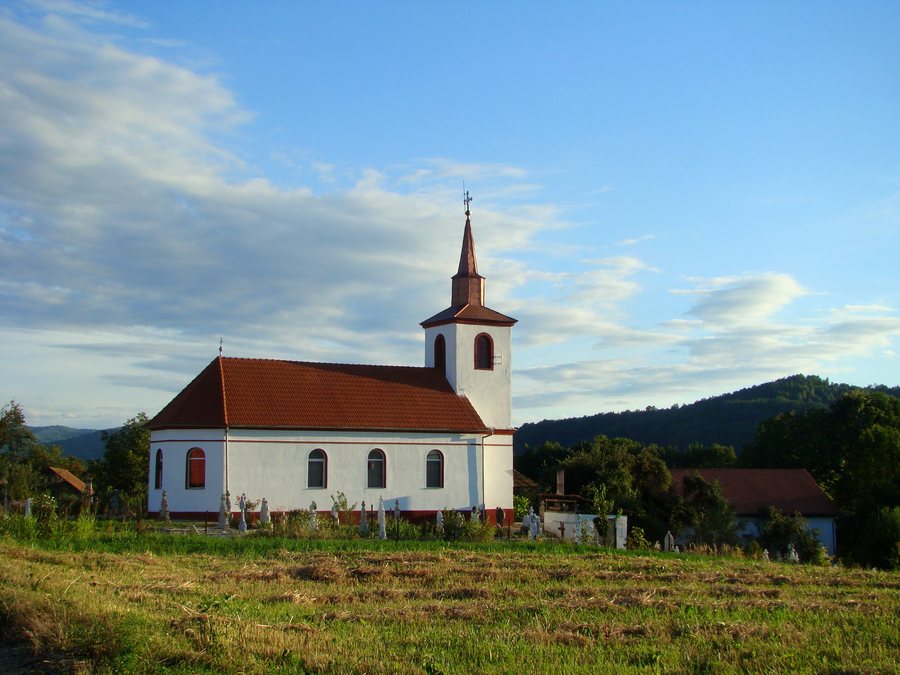 File:Biserica Sfântul Nicolae din Bucium (4).jpg
Photo: Țetcu Mircea Rareș via Wikimedia Commons, CC BY-SA 4.0
File:Biserica Sfântul Nicolae din Bucium (4).jpg
Photo: Țetcu Mircea Rareș via Wikimedia Commons, CC BY-SA 4.0
Nature
In Bucium, Detunata Goală is designated as a geological nature reserve. Vertical prismatic basalt columns rise there across 24 ha. Basalt scree slopes lie at the foot of the columns. The formation reaches an elevation of 1,158 m. The distinctive columnar shape and the loose rock at the foot are among the characteristic geological features of the protected area.
Detunata Flocoasă is a nature reserve. Its elevation is 1,265 m. The rocks are covered by forest. The area provides protected habitat for numerous species of montane flora. In addition to its elevation, the area is therefore characterised by wooded rocks and protected plant life.
The Negrileasa daffodil meadow lies in the southeast of the municipality of Bucium. It is a botanical nature reserve and is known for its daffodils, which bloom in May. The specific timing of the bloom is therefore explicitly part of the meadow’s character.
For a stay in Bucium, a holiday apartment can provide the personal setting for planning your trip.
Other destinations to include in your travel plans are Câlnic, Mătișești, Gârbova, Laz, Șugag, Scărișoara, Lancrăm and Câmpeni.
Hiking
A local tradition calls for an excursion to Detunata on the first Sunday in July. The excursion is followed by a church service at a cross commemorating the revolutionaries of 1848. Hiking trail 30MN05 is marked with a red cross. The tradition thus combines the excursion with a fixed date in the local annual calendar and with remembrance of the events of 1848.
The ascent on this trail begins at the cemetery in Bucium. It leads for more than 1 km to the Popasul Fefeleaga rest area. The final climb through the forest from the foot of Detunata Goală includes difficult sections. Suitable footwear and appropriate equipment are required for these sections. The trail therefore includes both the marked ascent from the village and the more demanding final section through the forest.
Access to Detunata Goală is via an unpaved road leading to a junction with a memorial cross. The car can be parked there. This is followed by an approximately ten-minute walk to the foot of Detunata. The approximate duration of this final walk is explicitly stated as about ten minutes.
History and Culture
The Bucium-Șasa ethnographic exhibition presents the distinctive features of the local population. Two rooms are available for its presentation. The exhibition is therefore concentrated in two rooms.
Bucium was an important centre of fur working. Fur coats and waistcoats decorated with artistic detail are associated with this craft. Carpentry was also one of the activities for which Bucium was significant. The same applies to the production of traditional costumes. The traditional crafts therefore range from fur processing and woodworking to clothing production.
The writer Ion Agârbiceanu lived and worked in the Bucium-Șasa parish house. From 1906 to 1910, he served there as a Greek Catholic priest. His work at the parish house is therefore documented for the period from 1906 to 1910.
The “Duminica Tuturor Sfinților” Church in Bucium was built in 1821. It is a historic monument. Its architecture combines traditional elements with influences typical of the period and features a slender tower. The interior of the church contains old icons and finely ornamented details.
In addition to the old icons, finely ornamented details have also been preserved inside the church.
The Bucium–Vulcoi-Corabia archaeological settlement dates from the Roman period. It dates from the 2nd to the 3rd century AD.
For the higher-level travel overview: Alba.
Check prices, availability and amenities for your travel dates directly on Booking.com.
View accommodations and offersAdvertisement · Affiliate link to Booking.com
.jpg)