
Discover Rybnik: Industrial Heritage, Architecture and Water
Accommodation in Rybnik
Rybnik offers a range of reasons to visit: industrial heritage at a former mine site, historic architecture, insights into the history of medicine and pharmacy, and activities on the water. When choosing a holiday apartment, you can consider which of these themes you would most like to focus on during your stay. This makes it clear from the outset of your trip planning whether you primarily want to explore culture, visit a viewpoint, or combine time spent on water sports with a nature trail.
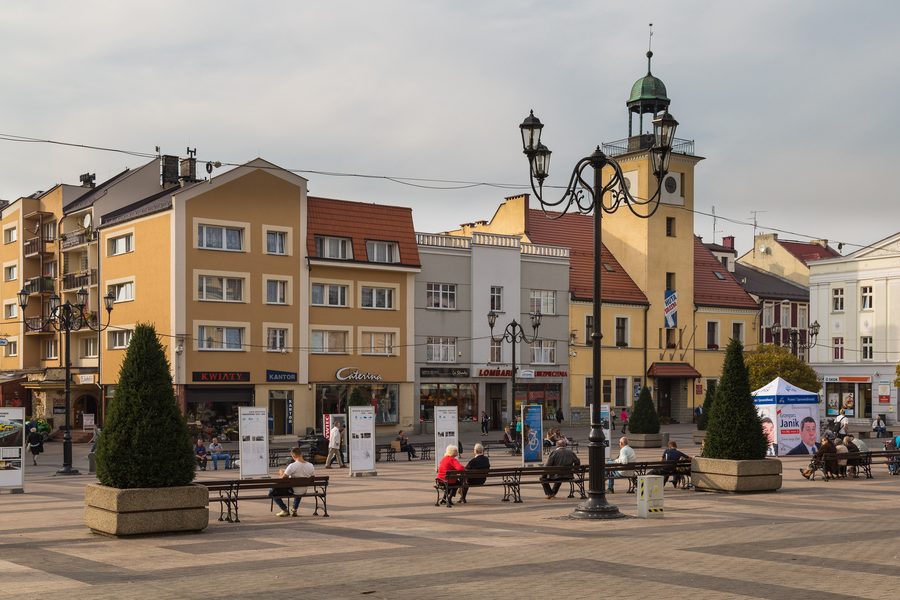 Der Marktplatz von Rybnik in der polnischen Woiwodschaft Schlesien.
Photo: Marcin Konsek via Wikimedia Commons, CC BY-SA 4.0
Der Marktplatz von Rybnik in der polnischen Woiwodschaft Schlesien.
Photo: Marcin Konsek via Wikimedia Commons, CC BY-SA 4.0
Industrial Heritage and Special Exhibitions
Zabytkowa Kopalnia Ignacy is a tourism and cultural site on the grounds of the former Ignacy mine in Rybnik. It includes the permanent exhibition “Wiek pary” in the headframe building of the Kościuszko shaft. The former mine site and a specific exhibition venue together define its focus on industrial heritage. If you are interested in the industrial past, you can make this site a distinct part of your trip; the exhibition and its location in the headframe building give the visit a clear thematic focus.
Architecture, Medicine and City Views
Edukatorium Juliusz is dedicated to the history of medicine and pharmacy. It also offers space for leisure, for discovering historic architecture and for relaxing amid greenery in the heart of Rybnik. These different aspects make the site appealing to travellers who want to include architecture and a green setting in their plans alongside a historical theme. Its focus on medicine and pharmacy is clearly distinct from the industrial heritage of the former mine.
Another architectural destination is the Minor Basilica of St Anthony of Padua. The Neo-Gothic church was built between 1903 and 1906 to a design by the architect Ludwik Schneider. With towers 96 metres high, it is considered the tallest religious building in Upper Silesia. There is a viewpoint in the south tower. Visitors interested in architecture can therefore consider the church building itself and the viewpoint as two distinct aspects of the site. The stated construction years place the basilica’s origins firmly in the early 20th century.
Water Sports and Nature by the Water
Zalew Rybnicki covers 550 hectares. It was created by damming the Ruda and is located in the Rybnik districts of Rybnicka Kuźnia, Orzepowice, Chwałęcice and Stodoły. The reservoir attracts fans of kayaking, sailing and windsurfing. If you want to focus on these activities, they offer a different way to experience Rybnik from that of travellers whose main interests are architecture or historical sites.
Zalew Pniowiec, with its two-kilometre-long recreational trail, is a separate destination. Along the trail are 13 information boards introducing the site’s natural features. The trail’s length and the number of boards give the walk a clear framework, with a focus on information about nature along the way. When planning your trip, you can weigh up learning about nature along a defined route against water sports at Zalew Rybnicki.
Which Focus Suits Your Trip?
When looking for a holiday apartment in Rybnik, a helpful starting point is to consider the mix of experiences you want: would you like to focus on industrial heritage, architecture or time by the water? The places described offer different themes without needing to be combined into a single itinerary. This makes Rybnik especially appealing to travellers who want to cater to different interests on one trip and choose what to focus on each day.
Other places in this destination include Żytna, Palowice, Bełk, Czernica, Jankowice Rybnickie, Sumina, Piece and Zwonowice.
For the main travel overview: Rybnik.

