
Orzesze: Churches, Landscapes and Cycling Routes
Accommodation in Orzesze
Orzesze offers a variety of starting points for a trip: church architecture and history, a viewpoint overlooking the town centre, ponds and a green cycling route. You can shape your stay around what interests you most—cultural sites, landscapes or getting active.
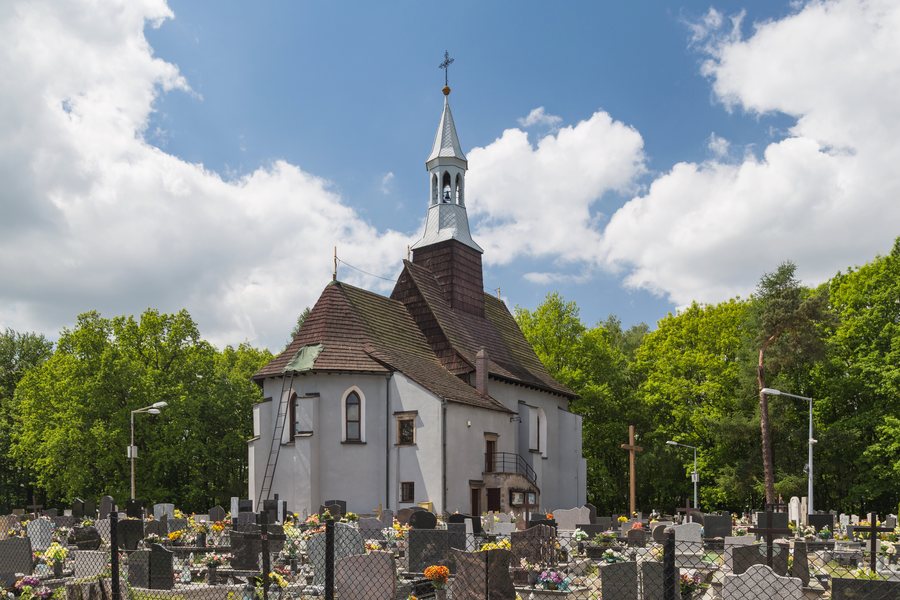
Churches with a History of Their Own
The Church of St Lawrence in Orzesze features a Gothic design with Renaissance architectural details. It was built around 1590 at the instigation of Wawrzyniec Trach and his wife Anna Maria, née Frankenberg. Its approximate construction date and combination of two stylistic features give the building a specific historical context. For travellers interested in architecture, both the design and the patrons are worth noting.
Another example of local church history is the Church of the Holy Spirit in Orzesze. It was built using funds endowed by Katarzyna Hegenscheidt of Zawiść. Alongside the building’s history, this brings a benefactor into focus whose origins are connected with the district of Zawiść.
Elevation, Views and Waterscapes
At 357.2 metres above sea level, Góra św. Wawrzyńca is the highest point in the Orzesze municipality. A landscape park lies on the hill, and a viewpoint on its slope offers a panorama of the centre of Orzesze. The elevation, green space and view of the town centre each give this place a distinct connection to the landscape.
The Pasieki water complex is another prominent landscape feature. The three largest ponds are connected by numerous dams and together form this complex. Pasieki lies along the boundaries of the districts of Orzesze, Zawiść, Zazdrość and Gardawice. The name therefore refers to a group of connected ponds, not just a single body of water.
Cultural Sites in the Districts
The palace in Zawiść is a Baroque residence dating from the first half of the 18th century. Former manor buildings have been preserved in the park, so the site includes traces of the former estate as well as the residence. The palace is not open for visits and can only be viewed from outside the fence. Check this visitor information locally again before you travel.
The manor and park complex in Gardawice is considered an example of Orzesze’s secular culture. In Orzesze-Mościska, the Szarotki regional group runs a regional chamber dedicated to preserving Silesian traditions. These places offer different points of interest: historic estates alongside a place where regional customs are kept alive.
The rebuilt Pałacyk w Woszczycach houses the “Dwór Szczepańskich” restaurant. If you are planning an overnight stay or a visit there, confirm the available options in advance.
Cycling and Walking
The green cycling route of Mikołów County is 29 kilometres long. It runs from Orzesze-Woszczyce, on the border with Żory, to Borowa Wieś in Mikołów, on the border with Ruda Śląska. In Woszczyce Forest, the route follows sandy paths. According to the route description, Orzesze railway station is about two kilometres from the cycling route; check the station details and distance again when planning your trip.
For those who prefer walking, the Szlak Obrońców Polskiej Granicy trail offers another option: it crosses a hill in the Orzesze area. This gives you different ways to get active—a cycling route with named endpoints and a walking trail defined by its passage over a hill.
Find a Holiday Apartment to Suit Your Travel Interests
When looking for a holiday apartment in Orzesze, you can start by considering what you would like to focus on during your stay. For a cycling trip, the route and its section through Woszczyce Forest offer specific points of reference. If you are interested in architectural history, the churches and the palace in Zawiść are worth considering; regional traditions are represented by the chamber in Orzesze-Mościska.
Discover more destinations: Łaziska Górne, Stara Huta, Ornontowice, Wyry, Mikołów
Return to the main travel overview: Mikołów.

