
Sienno: Church, History and the Rynek After Dark
Accommodation in Sienno
Discover Sienno through several historical periods: the Neo-Gothic Church of St. Zygmunt dates from the 15th century, while a Baroque bell tower takes you back to the history of the 18th century. Other highlights include a surviving foundation plaque, the Kopiec, a remnant of the Oleśniccy family’s castle, and the renovated Rynek, which shows its beautiful side especially after dark. If you like to explore different chapters of a destination’s history when choosing a holiday spot, Sienno offers several concrete points of interest.
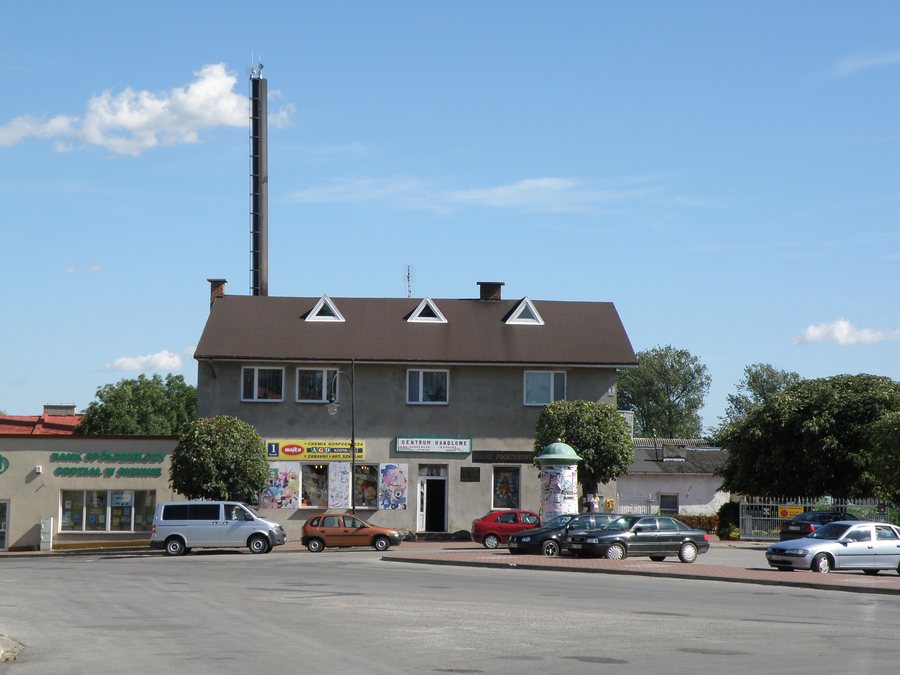 File:Sienno - mazowieckie (14).JPG
Photo: Alina Zienowicz (Ala z) via Wikimedia Commons, CC BY-SA 3.0
File:Sienno - mazowieckie (14).JPG
Photo: Alina Zienowicz (Ala z) via Wikimedia Commons, CC BY-SA 3.0
A Local History with a Clear Chronology
Sienno was already established by the mid-14th century. In 1431, Dobiesław Oleśnicki founded an independent parish and had a brick church built; in 1442, Cardinal Zbigniew Oleśnicki consecrated the church. Eleven years separate the parish’s founding from the church’s consecration. Together with the town’s earlier history, this makes for a clear sequence of events: Sienno existed before the independent parish was founded and the church consecrated.
If you’re travelling with children, this timeline can be an easy conversation starter: What came first, and what happened next? A surviving foundation plaque from the time the church was built adds to the chronology. It has historical and artistic value. This way, you can explore the town’s history not only through dates, but also through a surviving piece from the period when the church was built.
Church, Bell Tower and Other Historic Landmarks
The Church of St. Zygmunt is Neo-Gothic and dates from the 15th century. The Baroque bell tower belongs to the 18th century. Their different architectural styles and dates offer two distinct ways to explore Sienno’s architectural history. But the town’s history extends beyond these buildings: in the eastern part of Sienno, the Kopiec is a remnant of the Oleśniccy family’s castle. The Oleśniccy were a knightly family from the Dębno coat of arms. This adds the story of the castle and its owners to the history of the parish and church.
The renovated Rynek offers another perspective. It is a local attraction and shows its beautiful side especially after dark. While the history of the church and town can be traced over the centuries, the time of day is a delightful consideration when planning a visit to the Rynek.
A Cultural Event for Music Lovers
Music may also play a part in choosing Sienno. The 2022–2027 cultural programme describes the Mazowieckie Spotkania Kapel Podwórkowych as an annual gathering. Courtyard bands from across Poland perform, including Kapela Podwórkowa u Maxa. If you’d like to include the gathering in your trip, check the dates for the specific edition in advance. This can help you decide whether your stay will focus mainly on local history or whether a particular music event will be the deciding factor.
Choose a Destination to Suit Your Interests
To decide whether Sienno fits your travel plans, ask yourself a simple question: would you like to explore the town’s history and historical themes, or are you planning your trip specifically around the music gathering? These are different approaches to trip planning; if you’re travelling for a specific event, the date is especially important. If Sienno’s architectural and local history or a particular cultural event fits your plans, you can search specifically for a holiday apartment in Sienno. This turns your interest in the destination into a clear direction for finding a place to stay.
Discover More Destinations
Drezno, Wodąca, Gniazdków, Lipsko, Gmina Ciepielów, Kochanówka, Sadkowice
For the main travel overview: Lipski.

.JPG)