
Discover Zgorzelec: River, History and Culture
Accommodation in Zgorzelec
Zgorzelec brings together the Nysa Łużycka River, a distinctive chapter of the city’s history and a bridge leading across to the old town of German Görlitz. In Przedmieście Nyskie, the oldest historically developed part of Zgorzelec, you’ll encounter stories about the city and its notable residents. Museums, memorial sites and a regular running event offer different ways to shape your stay—from culture and remembrance to exercising together.
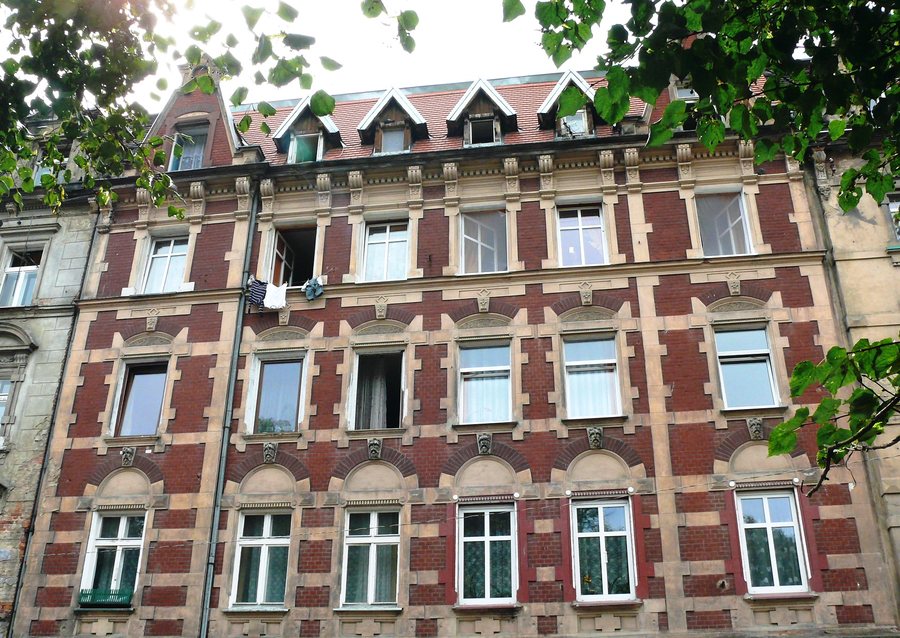
Przedmieście Nyskie and the connection across the river
Przedmieście Nyskie is a good starting point for exploring Zgorzelec’s history as it developed over time. The Muzeum Łużyckie is located there by the Nysa Łużycka River, among historic tenement houses. Its exhibitions focus on the city, its history and the culture of Upper Lusatia. In this district, the river, historic buildings and regional culture come together.
Another important link is the Most Staromiejski. It connects the banks of the Nysa Łużycka and leads directly to the old town of German Görlitz. If you’d also like to explore the neighbouring German old town during your stay in Zgorzelec, the bridge provides a direct connection between the two banks. This cross-border perspective sets the place apart from a trip focused exclusively on one side of a single city.
City history, culture and remembrance
Today’s Miejski Dom Kultury is housed in a building constructed between 1898 and 1902. Górnołużycka Hala Pamięci was the building’s former name. A plaque on one of its front walls commemorates the Treaty of Zgorzelec, signed on 6 July 1950 to establish the border along the Oder and Neisse rivers. The building and plaque thus connect a specific place with an important date in post-war history.
The former site of Stalag VIII A is also part of the city’s history. It was located on Łużycka Street on the southern outskirts of the city. A stone obelisk with a relief and commemorative plaque stands there. After the war, the Stalag VIII A cemetery site became a national memorial. If you’d like to explore Zgorzelec’s memorial sites, this offers a distinct subject alongside the Muzeum Łużyckie’s city and regional exhibitions.
Another cultural detail dates back to 1998: that year, the colourful ceramic WAZE bas-relief was installed on the wall of the concrete elevator next to the former tricycle mill. The reference to the former mill building and the material used for the artwork make it a different kind of city history from the exhibitions or commemorative plaques.
Exercise and the pilgrimage route
The Parkrun in Park Nadnyski takes place every Saturday at 9:00 a.m. This free event covers five kilometres and is open to all ages, fitness levels and running speeds. If you’re travelling with people who run at different speeds, or with older and younger companions, this explicitly broad welcome is a helpful guide when planning the day together. Parkrun is a clearly defined exercise activity, while the museums and memorial sites appeal to other interests.
Zgorzelec is also on the Polish section of the Way of St. James, which leads to the Cathedral of Santiago de Compostela. The pilgrimage connection adds a spiritual perspective to the city’s history. Along with the river crossing, cultural attractions and memorial sites, it lets you consider which themes you’d like to shape your stay. When looking for a holiday apartment in Zgorzelec, you can base your choice on these interests without reducing the different experiences to a single style of travel.
More places to discover: Bierna, Pieńsk, Ruszów, Bogatynia, Sławnikowice, Jędrzychowice, Dłużyna Dolna and Trójca.
For the broader travel overview: Zgorzelecki.

