
Zgorzelecki: Lusatian Architecture, Nature and Routes
Accommodation in Zgorzelecki
Between Lusatian Architecture and Nature
Powiat zgorzelecki lies on Poland’s southwestern edge, at the tripoint with the Czech Republic and Germany. Its character is revealed through a variety of discoveries: Lusatian half-timbered houses, historical exhibitions, forest areas and routes for excursions all shape the region. When choosing your holiday apartment, you can first consider whether culture, nature or cycling should be the focus of your trip.
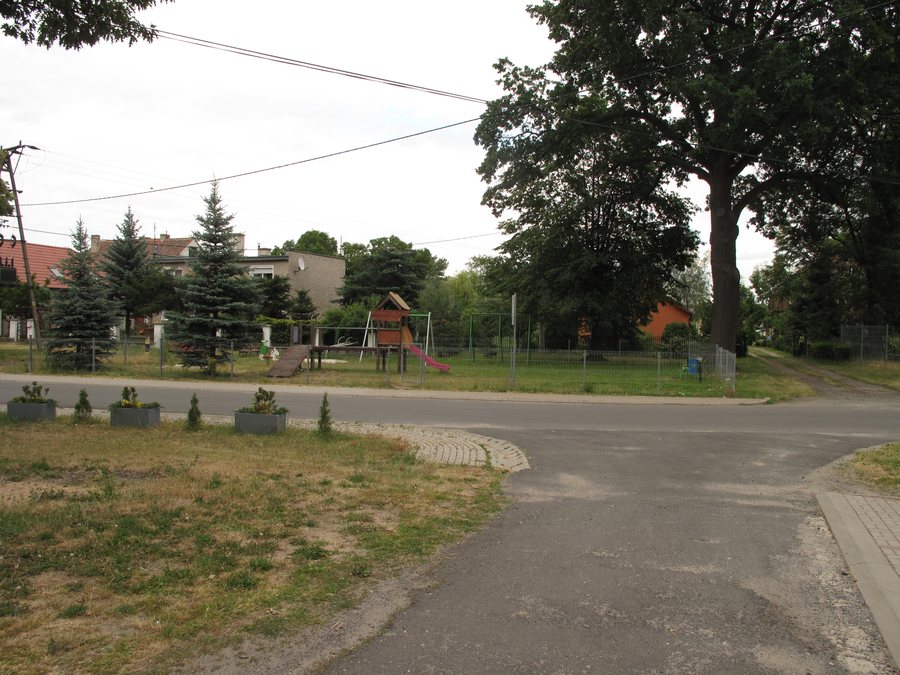
The Upper Lusatia region is known for its half-timbered and log-building styles. The largest concentration of Lusatian half-timbered houses in the powiat can be seen in the municipality of Bogatynia. One specific example is Dom Zegarmistrza at ul. Waryńskiego 17, a model restoration of a Lusatian half-timbered house. Radomierzyce is also home to an 18th-century Baroque residence, whose complex includes a palace park. These different architectural styles offer a reason to include regional timber construction and a Baroque estate as distinct cultural interests in your trip planning.
Local History and Remembrance
In Zgorzelec, Muzeum Łużyckie researches and documents the history, culture and everyday life of the inhabitants of Polish Upper Lusatia. Its permanent exhibition includes a fully furnished Lusatian room from the 17th/18th century. Those interested in everyday history will find a concrete connection here to the living conditions and lifestyles that also help make the region’s architectural heritage easier to understand.
A different historical perspective awaits at Muzeum Kresów Wschodnich in Węgliniec. The museum collects memorabilia from the eastern borderlands, from which the residents who moved here after the end of the Second World War originated. The Stalag VIII A memorial site offers visitors the historical Ścieżka Pamięci information trail. Together with the museum in Zgorzelec, these places provide different perspectives, from everyday life in Polish Upper Lusatia to remembrance of history and origins.
Forests, Protected Areas and Routes
The landscape also offers a variety of highlights. The Przełomowa Dolina Nysy Łużyckiej Natura 2000 site lies along the Lusatian Neisse in the municipalities of Bogatynia and Zgorzelec and covers 1,661.7 ha. In the municipality of Węgliniec, the 1.35 ha Torfowisko nad Węglińcem nature reserve protects a transitional bog with original vegetation and a relict stand of bog pine, Pinus x rhaetica.
The Uroczyska Borów Dolnośląskich forest complex in the municipality of Węgliniec is larger: it covers 8,067.8 ha, lies in the catchment areas of the Lusatian Neisse and Kwisa on poor sandy soils, and is one of Central Europe’s largest forest areas. The powiat is also home to the “Torfowisko pod Węglińcem” nature trail. If you want to include both natural areas and architectural heritage in your plans, you can treat them as separate reasons for excursions rather than limiting the region to a single kind of holiday.
Cycling Routes, Rail and Getting Around
For cyclists, the ER-4 cycling route runs through the powiat from Zgorzelec to Lwówek Śląski. The “Worek Turoszowski” tourist route also passes through powiat zgorzelecki and is 61.5 km long. This distance is a useful reference point for planning your day; it does not provide information about the route’s duration or difficulty. The nature trail, cycling route and tourist route offer different ways to explore the region.
The main railway stations in the powiat include Węgliniec, Zgorzelec Miasto and Ujazd. Węgliniec plays an important role as a railway hub for rail travel in the powiat and Lower Silesian Voivodeship. The powiat is served by National Road 94, which connects to the A4 motorway at the Zgorzelec exit towards Bolesławiec, and by National Road 30 from Zgorzelec towards Jelenia Góra. You can take these transport links and railway stations into account when planning how to get around on your trip.
Festivals and More Local Pages
The “Jakuby” Old Town Festival takes place simultaneously in Zgorzelec and Görlitz. In Węgliniec, the September event “European Mushroom-Picking Championships,” also known as “Święto Grzybów,” attracts visitors from across Poland and abroad. For information about attractions, places of interest, and the city’s cultural and sporting life, visit the tourist information office in Dom Jakuba Böhme.
If you would like to continue your search beyond these examples, find more local pages here: Zgorzelec, Jędrzychowice, Bierna, Bogatynia, Trójca, Pieńsk, Ruszów, Dłużyna Dolna and Sławnikowice.
For the broader travel overview: Lower Silesia.

_(001).jpg)